
How does your diet affect addiction and recovery?
- Rehab treatment centre in Marbella, Spain
What has food got to do with addiction?
Can a healthy diet really help people recover?
Following a healthy balanced diet has been shown to significantly increase success at recovering from addiction, as it reduces cravings, improves mental health, and heals damage done by substance abuse.
Poor nutrition leads to stress and ill health and is linked to increased cravings and relapses.
Drug and alcohol abuse can suppress the appetite, so addicts often don’t eat enough food or the right foods to get essential calories and nutrients.
What’s more, substance abuse can lead to vomiting, diarrhoea, and damage to the guts, so the body can’t absorb nutrients.
This often leads to low levels of essential vitamins, minerals, glucose, amino acids and fats, which can cause damaged vital organs, damaged nervous systems and immune systems, mental illnesses, diabetes, and inflammation. On the other hand, proper nutrition benefits every function of the body and mind.

These nutrients are especially beneficial to recovering addicts’ brain health:
Complex Carbohydrates: These help the brain produce serotonin, which reduces cravings and stabilises mood and sleep.
Amino Acids: The brain uses these to make dopamine, which also reduces cravings and mood swings.
Fatty Acids Omega 3 & 6: These decrease inflammation and help the brain work effectively.
B Vitamins and Folic Acid: The body needs these to convert carbohydrates and amino acids into serotonin and dopamine.
These nutrients are especially beneficial to recovering addicts’ brain health:
Plenty of healthy calories from complex carbohydrates like wholegrain bread and cereals, brown rice and pasta, starchy vegetables and potatoes.
Moderate protein portions from meat, fish, eggs or vegan options like tofu or lentils.
Healthy fats such as olive oil, seed oils and fish - flax, hemp and fish oils are all great for a balance of omega 3 & 6 fatty acids.
Vitamin and mineral rich foods such as leafy greens, dairy products, nuts, seeds and a variety of fresh fruit and vegetables.
Drink plenty of plain water, about 2 litres a day, and avoid lots of sugar and caffeine such as coffee and fizzy drinks.
It can take time for the appetite to return in early recovery, but it’s still important to eat regularly to avoid cravings caused by hunger or low levels of nutrients in the body. A simple diet plan with three meals per day can help you return your appetite to normal and get all the nutrition you need, and most importantly stay clean and sober.
Upon arrival at Phoenix, we tailor make an eating plan for each client around their specific needs and dietary requirements. Our in-house chef creates homemade dishes three times a day that are delicious and nutritious to support your recovery and help your body to heal and grow healthy and strong. Food plays a vital role in your recovery treatment at Phoenix, and we encourage you to take these healthy eating habits home with you to protect your sobriety for the long term.
Upon arrival at Phoenix, we tailor make an eating plan for each client around their specific needs and dietary requirements. Our in-house chef creates homemade dishes three times a day that are delicious and nutritious to support your recovery and help your body to heal and grow healthy and strong. Food plays a vital role in your recovery treatment at Phoenix, and we encourage you to take these healthy eating habits home with you to protect your sobriety for the long term.
If you think that you or someone you love might have a problem with drug or alcohol addiction, compulsive behaviour or emotional disorders, reach out and speak to our specialist addiction rehab treatment team on our confidential helpline +34 691 881 422. Immediate admission available.

The Language of the Heart: The Human Side of Addiction
Few phrases capture the essence of Alcoholics Anonymous better than Bill W.’s description of the language of the heart. Within the fellowship, recovery doesn’t depend on instruction or authority, it grows from one alcoholic sharing with another.
...

When Success Ends, Another Journey Begins in Recovery
A successful businessman thought retirement would bring freedom. Instead, it became the beginning of alcohol and drug dependency. This is the story of how one man’s recovery was transformed by finding safety, purpose and ongoing support.
...

Residential rehab, giving you the tools to change your life
We have seen the world change in many ways over the last 18 months. Problems with mental health, alcohol, drugs, and issues with addiction to both substances and behaviours has thrived during lockdown.
...
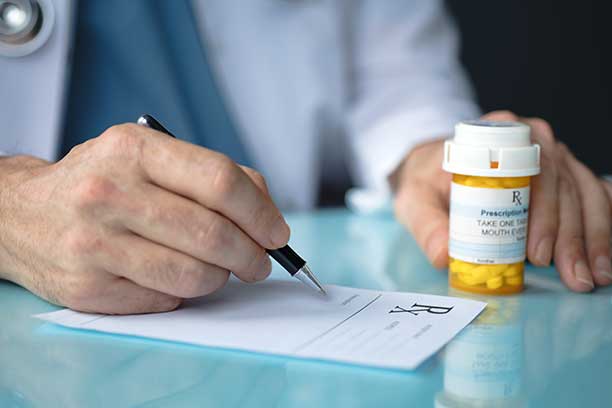
An opioid crisis, in ten years deaths have doubled
Five years ago, the UK was warned that it was heading towards an opioid addiction crisis and there was a drive to reduce the numbers of prescriptions for the highly addictive drugs. Yet opioid related deaths are still on the rise.
...
What is a 12 Step program? - Addiction Rehab in Spain
A 12 Step program is a set of guidelines and principles, used as a course of action to recover from alcoholism and addiction. Used by fellowship groups such as AA, and as the basis for treatment in rehab centres throughout the world.
...
What is a 12 Step program? - Addiction Rehab in Spain
A 12 Step program is a set of guidelines and principles, used as a course of action to recover from alcoholism and addiction. Used by fellowship groups such as AA, and as the basis for treatment in rehab centres throughout the world.
...

Black Friday and Cyber Monday: A Shopaholic’s Guide
Why do these pre-Christmas sales create such an epidemic of shopping madness, with customers literally coming to blows for prize purchases? And what can you do to stay sane and shop safely over the festive season?
...

Prescription Drug Misuse, Behavioural & Dual Diagnosis
Prescription medication misuse can affect dependence, mental health and behaviour. Understanding these connections can be the first step towards finding compassionate, integrated support for lasting recovery, renewed wellbeing, confidence, hope and a...

