
Valium Addiction Treatment
A Private, Medically Supervised Therapeutic Retreat in Costa del Sol
The Quiet Burden of Diazepam Reliance
Valium, or diazepam, is one of the longest-established benzodiazepines in modern medicine. It is commonly prescribed for anxiety disorders, muscle spasm, insomnia, and acute stress reactions, and is often perceived as relatively stable because of its long half-life. In clinical practice, however, prolonged exposure can lead to physiological dependence, cognitive impairment, and clinically significant withdrawal risk.
Unlike shorter-acting benzodiazepines, diazepam accumulates in fatty tissue and produces extended neurochemical effects. This pharmacokinetic profile can obscure the development of dependence because symptoms often emerge gradually rather than dramatically. What appears manageable on the surface may, over time, become an entrenched pattern of neurological adaptation and psychological reliance.
Here in Marbella on the Costa del Sol in Andalusia, we provide discreet one-to-one Valium addiction treatment for individuals struggling with diazepam dependence, cognitive slowing, emotional blunting, and the wider psychiatric or medical consequences that often follow long-term use. Treatment is delivered within a confidential setting that combines comprehensive medical oversight, psychiatric evaluation, and intensive psychological care. Safe treatment requires precision, gradual tapering, and concurrent psychological stabilisation.

Pharmacology and Long Half-Life Dynamics
Diazepam acts by enhancing inhibitory signalling within the central nervous system. It increases GABA activity, reduces neural excitability, and modulates limbic system reactivity, which is why it may initially feel calming, stabilising, or protective in the face of anxiety and internal distress.
Over time, however, the nervous system adapts to its presence. This adaptation may involve receptor sensitivity changes, endogenous inhibitory imbalance, tolerance development, gradual physiological reliance, cognitive slowing, and emotional dampening. Because diazepam remains in the system for longer than many other benzodiazepines, the pattern of dependence may become less obvious while still becoming progressively more established.
This is one reason diazepam addiction can feel confusing to the individual. The drug may continue to appear helpful, even while quietly weakening the brain’s ability to regulate stress, emotion, and arousal without chemical support.
Cognitive and Emotional Consequences
Long-term diazepam use may affect much more than anxiety or sleep. In many individuals, it gradually contributes to memory impairment, reduced concentration, executive dysfunction, emotional blunting, reduced stress resilience, and difficulties in decision-making.
This impact is often subtle at first. People may notice they feel less mentally sharp, less emotionally engaged, or less able to function under pressure without medication. Over time, this can create a cycle in which the person feels increasingly dependent on the very drug that may be contributing to the reduction in clarity and internal resilience.
Additional risks may also include sedation-related injury, balance instability, fall risk, and broader reduction in psychological and physical responsiveness, particularly in long-term or high-dose use.
Withdrawal Risk and Medical Supervision
Diazepam withdrawal must be approached with great care. Abrupt discontinuation may lead to severe anxiety, tremor, insomnia, perceptual disturbances, autonomic instability, and in prolonged or high-dose cases, seizure risk.
This is why safe treatment depends on structured medical supervision rather than unsupported cessation. The clinical challenge is not only reducing the medication, but doing so in a way that protects neurological stability, minimises psychiatric destabilisation, and avoids overwhelming the individual during tapering.
At Phoenix Programmes, medical planning considers dosage history, duration of use, age, overall health status, co-occurring psychiatric conditions, previous withdrawal attempts, and concurrent medication use. Neurological stability, cardiovascular parameters, psychological wellbeing, sleep regulation, anxiety fluctuation, and cognitive clarity are all monitored closely throughout the process.
Intensive One-to-One Valium Addiction Treatment in Costa del Sol
Treatment may include:
Rebuilding anxiety regulation capacity
Strengthening stress tolerance
Restoring cognitive clarity
Addressing trauma exposure where present
Developing sustainable coping strategies
Reducing psychological reliance on sedative medication
Because only one client is treated at any given time, therapeutic engagement remains fully individualised, confidential, and responsive to complexity. This contained model is particularly important where long-term benzodiazepine use, trauma history, sleep disturbance, psychiatric vulnerability, or significant privacy concerns are already central to the presentation. Within this setting, deeper psychological work can take place alongside carefully structured tapering, allowing recovery to proceed with greater safety, clarity, and continuity.
Integrated Psychiatric and Medical Care
Valium dependence frequently coexists with anxiety disorders, depressive vulnerability, sleep disturbance, chronic stress-related presentations, trauma histories, and somatic symptom patterns. Treatment must therefore be medically safe, psychologically integrated, and carefully coordinated throughout.
Comprehensive psychiatric and medical evaluation helps ensure that treatment addresses not only the diazepam use itself, but also the broader emotional and clinical factors that may be maintaining it. This is especially important where the pattern includes chronic anxiety, repeated withdrawal difficulty, emotional dampening, trauma-related distress, or longstanding reliance on medication for psychological stability.
Comprehensive psychiatric and medical evaluation helps ensure that treatment addresses not only the diazepam use itself, but also the broader emotional and clinical factors that may be maintaining it. This is especially important where the pattern includes chronic anxiety, repeated withdrawal difficulty, emotional dampening, trauma-related distress, or longstanding reliance on medication for psychological stability.
PRIVATE SUPPORT FOR VALIUM RECOVERY
Speak with us. All conversations are confidential, with no obligation.
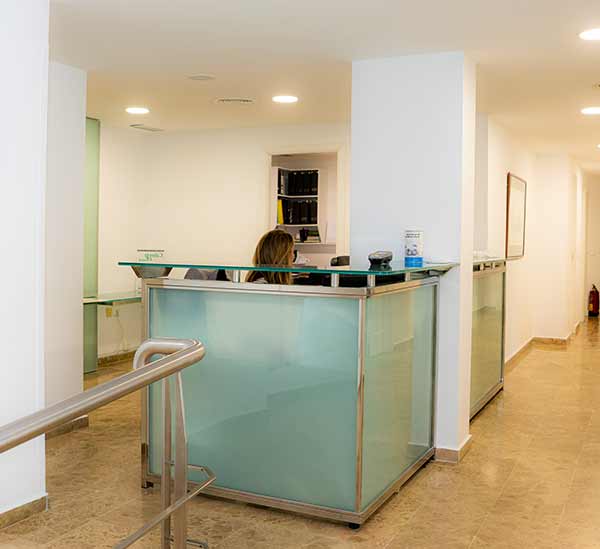
Private Valium Addiction Treatment in Marbella
If you are concerned about diazepam dependence in yourself or someone close to you, early specialist intervention can make a significant difference. Speaking with us does not commit you to treatment. It simply gives you the opportunity to understand what help may be appropriate.
All conversations are confidential and without obligation.
All conversations are confidential and without obligation.
A Discreet Therapeutic Setting in Marbella, Andalusia
Set within a discreet therapeutic environment in Marbella, Andalusia, treatment offers complete confidentiality, continuous medical oversight, structured therapeutic engagement, and absolute discretion. This gives clients the space needed for stabilisation, psychological recovery, and meaningful change. For many people, stepping away from the environments linked to stress, sleep disruption, chronic anxiety, and routine sedative reliance is an important part of beginning recovery with greater clarity and safety.
Treatment Duration and Recovery Process
Treatment may include:
Comprehensive medical and psychiatric assessment
Individualised tapering plan
Continuous clinical monitoring
Intensive individual psychotherapy
Behavioural restructuring
Structured aftercare planning
A minimum four-week commitment is required. The objective is restoration of cognitive clarity, emotional regulation, physiological stability, and more durable long-term recovery beyond the retreat setting.
Continuity of Care
Diazepam dependence can develop insidiously and carries significant neurological and psychiatric risk if discontinued improperly. When addressed through structured medical supervision, psychiatric integration, and intensive psychological intervention, recovery is achievable and sustainable. Following residential treatment in Marbella, structured aftercare planning supports long-term stability and relapse prevention.
Frequently Asked Questions
What is Valium addiction?
Valium addiction is a pattern of diazepam dependence in which use becomes physiologically and psychologically difficult to reduce or stop, often leading to tolerance, withdrawal symptoms, cognitive slowing, and increasing emotional reliance.
Can diazepam become addictive even when prescribed?
Yes. Dependence may develop even when diazepam was first prescribed legitimately, especially with longer-term use, repeated reliance for anxiety or sleep, or difficulty functioning without it.
Why is diazepam withdrawal risky?
Because abrupt discontinuation may lead to severe anxiety, tremor, insomnia, autonomic instability, perceptual disturbance, and, in some prolonged or high-dose cases, seizures. Medical supervision is strongly advisable.
What are the signs of Valium dependence?
Common signs include increasing reliance on diazepam to feel calm or sleep, reduced stress tolerance without it, cognitive slowing, emotional blunting, rebound anxiety, and continuing use despite negative physical, emotional, or functional consequences.
Do you provide medically supervised tapering?
Yes. Where appropriate, treatment includes an individualised tapering and stabilisation plan supported by close medical and psychiatric oversight.
Is treatment confidential?
Yes. Confidentiality is central to the Phoenix Programmes model. Because we work with one client at a time, treatment remains highly discreet, medically supervised, and individualised.
How long does treatment take?
A minimum four-week commitment is required. This allows time for assessment, tapering, stabilisation, therapeutic work, and the early rebuilding of cognitive and emotional stability.
Do you treat complex or high-risk cases?
Yes. Our one-client-at-a-time model is particularly suitable for individuals with trauma history, repeated withdrawal difficulty, psychiatric vulnerability, chronic stress presentations, or significant privacy concerns. There is no obligation and no pressure. The first step is simply a confidential discussion.
If you think that you or someone you love might have a problem with drug or alcohol addiction, compulsive behaviour or emotional disorders, reach out and speak to our specialist addiction rehab treatment team on our confidential helpline +34 691 881 422. Immediate admission available.

