
Obsessive Compulsive Disorder
A disruptive and difficult mental illness
Obsessive Compulsive Disorder (OCD)
Obsessive-compulsive disorder (OCD) is a debilitating and inveterate mental health condition. Individuals suffering with OCD struggle with obsessions, which are intrusive and pervasive thoughts that occur frequently and are out of control, and compulsions, which are actions and behaviours that the person feels they must do repeatedly to gain a level of control.
The obsessive thoughts come with intense feelings of anger, fear, doubt, disgust, or unease and it is usual for an individual to feel an overwhelming need to complete a compulsion to negate or remove the source of their obsessive thoughts.
Everyone can be a little obsessive at times, especially when under a great deal of stress or dealing with a period of anxiety, but when the obsessiveness begins to regularly have a significant adverse effect on a person’s normal daily life then it is best to seek outside help.
The same is true of compulsions - it is normal to have routines or rituals, particularly around an event such as going to bed or getting up in the morning. These routines have a positive impact in helping the person sleep or to set them up for the day ahead. This is not true for an individual suffering with a compulsive disorder, who becomes unable to move past their compulsion such that it negatively impacts their everyday life.
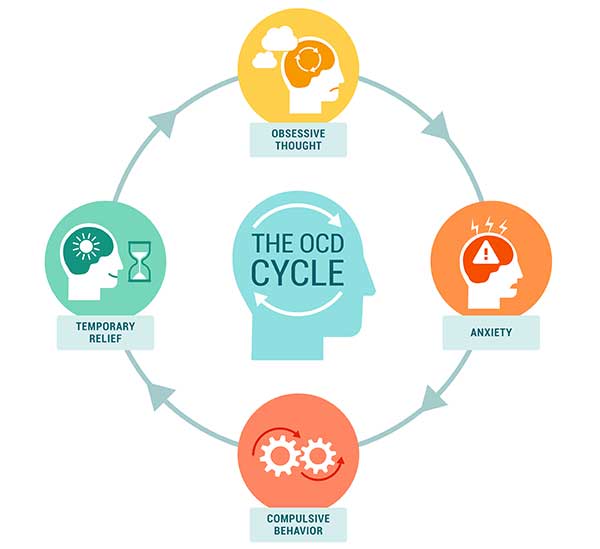
Some people with OCD also experience delusional thinking and believe that their thoughts and behaviours are normal. Yet many suffers of OCD are fully aware that their obsessions and compulsions are irrational and will have feelings of humiliation and shame around them, so they will try and hide the extent of those symptoms from those close to them.
Alongside all the destructive and exhausting thoughts that go with OCD, individuals can find themselves spending hours a day completing tasks and performing routines to satisfy their compulsions, which leaves little time for relationships, hobbies or even to be able to hold down a job. In some cases, the compulsion also has harmful consequences on their physical health, for instance dermatitis induced by scratching, picking or over-washing.
Alongside all the destructive and exhausting thoughts that go with OCD, individuals can find themselves spending hours a day completing tasks and performing routines to satisfy their compulsions, which leaves little time for relationships, hobbies or even to be able to hold down a job. In some cases, the compulsion also has harmful consequences on their physical health, for instance dermatitis induced by scratching, picking or over-washing.
Common types of obsession
01
Germs, dirt, and cleanliness
02
Actions that may result in violence or tragedy
03
Fear of losing control, bodily or verbally
04
Fear of the impulse to harm themself or others
05
Religious obsession
06
Unwanted sexual thoughts
07
Perfectionism
08
Superstitions
Common types of compulsion
01
Washing hands excessively or in a certain way
02
Showering, tooth brushing, or other grooming routines
03
Disproportionate household cleaning
04
Checking no mistakes or mishaps have occurred
05
Repeating or duplicating routine activities or tasks
06
Reoccurring body movements such as tapping or blinking
07
Hoarding items such as newspapers or empty bottles
08
Fixation for arranging objects or putting things in order
Symptoms of Obsessive Compulsive Disorder (OCD)
Trouble and problems within personal relationships.
Difficulty in attendance or repeated lateness to school or work.
Overall quality of life is significantly affected.
Related health issues, such as dermatitis or stress symptoms.
Unable to enjoy social events or participate in hobbies.
Feelings of guilt, shame, unworthiness or self-blame.
Lying, being secretive or defensive about obsessions or compulsions.
Isolating from friends, family or loved ones.
Attempts to try and control the OCD causes an increase in anxiety.
Thoughts or attempts at self-harm or suicide.
Treatment for Obsessive Compulsive Disorders
At Phoenix Programmes we understand that every client is different and their illness needs personalised treatment and care. Therapy for obsessive compulsive disorder addresses the individual’s underlying fears and anxiety, as well as providing tools and coping mechanisms to manage the disorder going forward in everyday life situations. Following a detailed consultation with our specialist team, clients will be given a complete plan of the recommended course of treatment.
If you think that you or someone you love might have a problem with drug or alcohol addiction, compulsive behaviour or emotional disorders, reach out and speak to our specialist addiction rehab treatment team on our confidential helpline +34 691 881 422. Immediate admission available.

