
Synthetic Cannabis Addiction
A Private, Medically Supervised Therapeutic Retreat in Costa del Sol
The Unpredictable Reality of Synthetic Cannabinoids
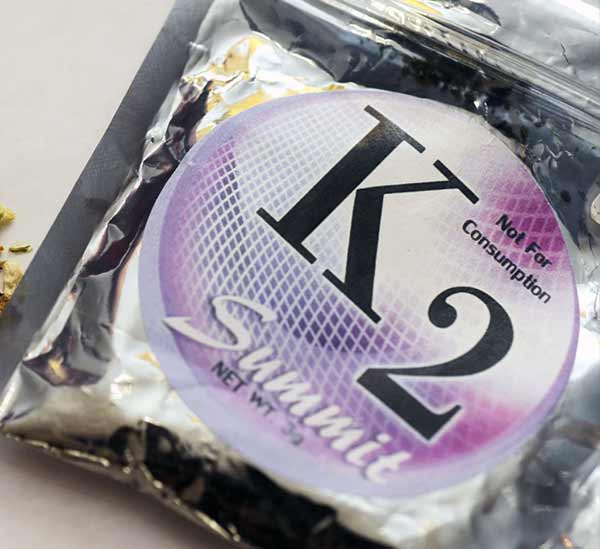
Synthetic cannabinoids — often marketed under names such as Spice or K2 — represent one of the most unpredictable and medically concerning categories of psychoactive substances encountered in modern addiction medicine. Although they are sometimes sold as legal or “safer” alternatives to cannabis, their pharmacological profile differs fundamentally from natural cannabinoids and can produce far more severe psychiatric and physiological consequences.
Unlike plant-derived THC, many synthetic cannabinoids act as full receptor agonists, producing exaggerated and sometimes toxic effects on the brain and body. The fact that chemical composition may vary dramatically between batches further increases risk, unpredictability, and the likelihood of acute destabilisation.
Here in Marbella on the Costa del Sol in Andalusia, we provide discreet one-to-one synthetic cannabinoid addiction treatment for individuals struggling with compulsive use, psychiatric instability, medical risk, and the emotional or behavioural consequences that often follow exposure to these substances. Treatment is delivered within a confidential setting that combines comprehensive medical oversight, psychiatric assessment, and intensive psychological care. Effective treatment requires stabilisation of both neurochemical disruption and acute psychiatric vulnerability.
Pharmacology and Neurobiological Impact
Synthetic cannabinoids differ from natural cannabis in ways that are clinically significant. Their action at cannabinoid receptors may be far more intense, less predictable, and more toxic, particularly when combined with unknown adulterants or chemically unstable preparations.
Synthetic cannabinoids may be:
Synthetic cannabinoids may be:
Full agonists at CB1 receptors
Significantly more potent than THC
Chemically variable between batches
Frequently combined with unknown adulterants
This may contribute to disruption of endocannabinoid signalling, dopaminergic imbalance, emotional instability, cognitive impairment, impulse dysregulation, and heightened stress reactivity. In contrast to natural cannabis, the user may not simply experience a stronger version of a familiar drug effect. They may instead enter a state of severe psychiatric and neurological destabilisation.
This is one reason synthetic cannabinoid addiction should be regarded as a high-risk clinical presentation rather than a variation of ordinary cannabis use.
This is one reason synthetic cannabinoid addiction should be regarded as a high-risk clinical presentation rather than a variation of ordinary cannabis use.
Acute Psychiatric and Medical Risk
One of the defining dangers of synthetic cannabinoids is the severity and unpredictability of acute psychiatric presentation. In some individuals, symptoms may emerge rapidly and with an intensity disproportionate to the dose taken, especially where product composition is unknown.
Clinical presentations may include severe anxiety, panic, paranoia, persecutory delusions, hallucinations, acute psychosis, severe agitation, and behavioural disorganisation. In more medically unstable cases, seizures, acute kidney injury, cardiovascular instability, hyperthermia, electrolyte disturbance, and extreme aggression may also occur.
This is what makes synthetic cannabinoid exposure particularly dangerous. The pattern is not simply one of intoxication or misuse, but of potential psychiatric emergency. In many cases, the unpredictability of the substance itself becomes part of the addiction’s severity.
Dependence and Withdrawal
Synthetic cannabinoid dependence may develop quickly, especially where use is repeated as a way of managing anxiety, avoiding emotional distress, or replicating the effects of cannabis. Over time, the individual may become increasingly reliant on the substance despite the very instability it causes.
Withdrawal symptoms may include irritability, restlessness, insomnia, anxiety, depressive symptoms, and strong cravings. At Phoenix Programmes, comprehensive medical and psychiatric assessment precedes deeper therapeutic work. Mood state, psychotic vulnerability, sleep, autonomic stability, and the broader pattern of use are carefully evaluated before treatment progresses.
This phase is particularly important because withdrawal may involve not only cravings and agitation, but the re-emergence of psychological distress that had been numbed, displaced, or chemically distorted by the substance.
Psychological Drivers and Vulnerability
For many individuals, synthetic cannabinoids are not used simply for intoxication. They may function as a coping mechanism for anxiety, a means of emotional numbing, a substitute for cannabis, a form of risk-taking behaviour, an escape from trauma-related distress, or a self-medication strategy.
This is why effective treatment must go beyond substance cessation alone. If the emotional and psychological drivers remain unaddressed, the cycle is likely to persist or reappear in another form. In many cases, the deeper issue is avoidance - avoidance of anxiety, trauma, inner instability, or emotional overload.
Recovery therefore involves not only stabilising the nervous system, but helping the individual rebuild the capacity to tolerate reality, regulate emotion, and function without chemical volatility.
These risks are not limited to visibly chaotic addiction. They may also affect individuals who are using in a more contained or repetitive pattern, especially where the body has become heavily dependent and the margin for error is narrowing.
Intensive One-to-One Synthetic Cannabinoid Addiction Treatment in Costa del Sol
Treatment may include:
Exploring emotional avoidance patterns
Addressing trauma exposure where present
Restoring emotional regulation capacity
Rebuilding cognitive stability
Developing adaptive coping strategies
Strengthening relapse prevention planning
Because only one client is treated at any given time, therapeutic engagement remains fully individualised, confidential, and responsive to complexity. This contained model is particularly important where psychotic vulnerability, trauma history, behavioural instability, or significant privacy concerns are already central to the presentation.
Within this setting, deeper psychological work can take place without peer exposure, drug-related unpredictability, or the high-risk environments that often sustain relapse and acute destabilisation.
Within this setting, deeper psychological work can take place without peer exposure, drug-related unpredictability, or the high-risk environments that often sustain relapse and acute destabilisation.
Integrated Psychiatric and Medical Care
Synthetic cannabinoid dependence frequently coexists with anxiety disorders, depressive vulnerability, trauma-related conditions, psychotic vulnerability, mood instability, and sleep disturbance. Treatment must therefore be medically safe, psychologically integrated, and carefully coordinated throughout.
Comprehensive psychiatric and medical evaluation helps ensure that treatment addresses not only the drug use itself, but also the broader emotional and clinical factors that may be maintaining it. This is especially important where the presentation includes paranoia, psychotic symptoms, trauma-related distress, or repeated behavioural disorganisation.
Comprehensive psychiatric and medical evaluation helps ensure that treatment addresses not only the drug use itself, but also the broader emotional and clinical factors that may be maintaining it. This is especially important where the presentation includes paranoia, psychotic symptoms, trauma-related distress, or repeated behavioural disorganisation.
STABILISE SAFELY AFTER SPICE OR K2 DEPENDENCE
Speak with us. All conversations are confidential, with no obligation.
Private Synthetic Cannabinoid Addiction Treatment in Marbella
If you are concerned about synthetic cannabinoid use in yourself or someone close to you, early specialist intervention can make a significant difference. Speaking with us does not commit you to treatment. It simply gives you the opportunity to understand what help may be appropriate.
All conversations are confidential and without obligation.
All conversations are confidential and without obligation.
A Discreet Therapeutic Setting in Marbella, Andalusia
Set within a discreet therapeutic environment in Marbella, Andalusia, treatment offers complete confidentiality, continuous medical oversight, structured therapeutic engagement, and absolute discretion. This gives clients the space needed for psychiatric stabilisation, emotional recovery, and meaningful psychological change. For many people, stepping away from the environments linked to volatility, fear, unpredictability, and repeated synthetic drug exposure is an important part of beginning recovery with greater clarity and safety.
Treatment Duration and Recovery Process
Treatment may include:
Comprehensive medical and psychiatric assessment
Structured stabilisation phase
Continuous monitoring of psychiatric status
Intensive individual psychotherapy
Behavioural restructuring
Structured aftercare planning
A minimum four-week commitment is required. The objective is restoration of emotional stability, cognitive clarity, behavioural regulation, and more durable long-term recovery beyond the retreat setting.
Continuity of Care
Synthetic cannabinoid addiction carries heightened psychiatric risk because of unpredictable pharmacology and intense receptor activation. When addressed through structured medical supervision, psychiatric integration, and intensive psychological intervention, recovery is achievable and sustainable. Following residential treatment in Marbella, structured aftercare planning supports long-term stabilisation and relapse prevention.
Frequently Asked Questions
What is synthetic cannabinoid addiction?
Synthetic cannabinoid addiction is a pattern in which the use of substances such as Spice or K2 becomes repetitive, difficult to control, and increasingly disruptive to emotional wellbeing, psychiatric stability, physical health, or daily functioning.
Why are synthetic cannabinoids more dangerous than cannabis?
Because many synthetic cannabinoids act as full receptor agonists and may be significantly more potent and less predictable than natural THC. Their chemical variability also increases the risk of severe psychiatric and medical reactions.
What are the signs of synthetic cannabinoid dependence?
Common signs include repeated use despite harm, anxiety, agitation, paranoia, sleep disturbance, cravings, emotional instability, and continued use despite frightening or dangerous consequences.
Can synthetic cannabinoids cause psychosis?
Yes. These substances may be associated with paranoia, hallucinations, persecutory delusions, acute psychosis, and severe behavioural disorganisation, sometimes with rapid onset.
Do you treat synthetic cannabinoid addiction privately?
Yes. Confidentiality is central to the Phoenix Programmes model. Because we work with one client at a time, treatment remains highly discreet, medically supervised, and individualised.
How long does treatment take?
A minimum four-week commitment is required. This allows time for stabilisation, assessment, therapeutic work, behavioural restructuring, and the early rebuilding of psychiatric and emotional stability.
Do you treat complex or high-risk cases?
Yes. Our one-client-at-a-time model is particularly suitable for individuals with psychotic vulnerability, trauma history, mood instability, behavioural disorganisation, or significant privacy concerns. There is no obligation and no pressure. The first step is simply a confidential discussion.
If you think that you or someone you love might have a problem with drug or alcohol addiction, compulsive behaviour or emotional disorders, reach out and speak to our specialist addiction rehab treatment team on our confidential helpline +34 691 881 422. Immediate admission available.

