
Social Media Addiction
A Private, Medically Supervised Therapeutic Retreat in Costa del Sol
When Social Media Stops Feeling Optional
Social media addiction is increasingly recognised as a behavioural pattern marked by compulsive checking, emotional dependence on online feedback, and difficulty disengaging from digital platforms despite clear psychological, relational, or occupational consequences. What may begin as routine connection, entertainment, or professional visibility can gradually develop into a cycle of validation-seeking, comparison, overstimulation, and emotional dysregulation.
Here in Marbella on the Costa del Sol in Andalusia, we provide discreet one-to-one social media addiction treatment for individuals struggling with compulsive scrolling, repeated checking, validation dependence, and the emotional instability that often follows prolonged digital immersion. Treatment is delivered within a confidential setting that combines psychiatric oversight, psychological depth, and intensive individual care.
Many people who become dependent on social media were not seeking dysfunction. They were seeking connection, distraction, reassurance, stimulation, identity reinforcement, or temporary relief from loneliness, uncertainty, or internal discomfort. Effective social media addiction treatment therefore requires more than asking someone simply to put their phone away. It requires a deeper understanding of reward pathways, attention capture, emotional avoidance, and the psychological role that digital engagement has come to serve.
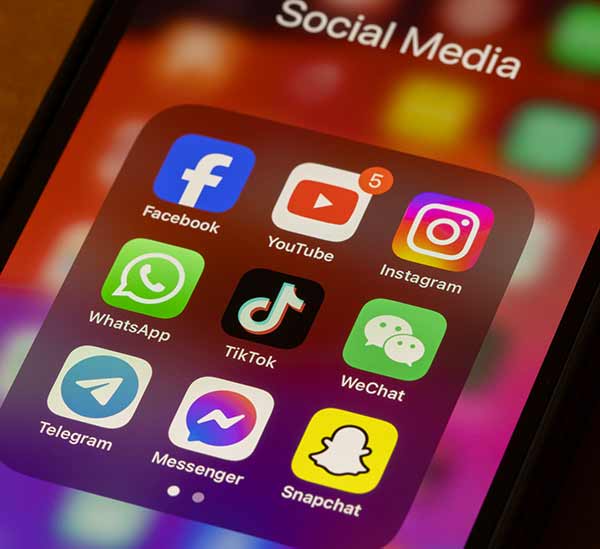
The Neurobiology of Social Media Reinforcement
The neurobehavioural pattern commonly involves:
Dopamine-driven reward anticipation
Variable reinforcement schedules
Validation-seeking feedback loops
Novelty-based attentional capture
Repeated cue-trigger checking behaviour
Reduced tolerance for unstimulated mental space
As this pattern strengthens, ordinary life may begin to feel comparatively flat or slow. The person may find themselves checking platforms reflexively, not because anything important has happened, but because the brain has become conditioned to expect reward, relief, or distraction from the act of checking itself.
Psychological and Emotional Consequences
Social media addiction often affects much more than time management. Over time, it may contribute to emotional reactivity, chronic distraction, reduced attention span, insecurity, compulsive comparison, disturbed sleep, and an increasing dependence on external visibility or reassurance.
For some individuals, this dependence takes the form of repeated checking for signs of social relevance. For others, it becomes a way of avoiding silence, emptiness, boredom, or emotional discomfort. In both cases, the platform begins to function less as a tool and more as a psychological regulator.
Prolonged overuse may also be associated with anxiety, reduced self-worth, depressive vulnerability, fear of missing out, and difficulty sustaining real-world presence. This is one reason social media addiction can remain underestimated for long periods. The behaviour is socially normalised, yet its cumulative effect on attention, confidence, and emotional stability may be considerable.
Identity, Comparison, and Psychological Dependence
One of the reasons social media addiction becomes so difficult to interrupt is that it often becomes tied to identity. The individual may begin to experience online response as a measure of worth, relevance, attractiveness, belonging, or success.
This can create a cycle in which external metrics gradually replace internal steadiness. A post that performs well may briefly relieve insecurity. A post that is ignored may deepen it. Comparison with others may become constant, and emotional stability may begin to fluctuate according to digital response rather than lived reality.
In this sense, social media addiction is not simply about screen time. It is often about dependence on external reflection to regulate self-perception.
Withdrawal and Early Stabilisation
Common early symptoms may include:
Irritability
Restlessness
Anxiety
Urges to check devices
Boredom intolerance
Sleep disruption
At Phoenix Programmes, assessment focuses not only on the behavioural pattern itself, but also on what emerges when digital stimulation is reduced. This phase is important because it often reveals the deeper dependency: the person is not only losing a habit, but also a coping mechanism.
Intensive One-to-One Social Media Addiction Treatment in Costa del Sol
Treatment may include:
Identifying validation-seeking patterns
Rebuilding internal self-regulation
Strengthening attention control
Reducing compulsive checking behaviour
Addressing anxiety or trauma vulnerability where indicated
Restoring real-world emotional presence and self-direction
Because only one client is treated at any given time, therapeutic engagement remains fully individualised, confidential, and responsive to complexity. This contained model is particularly important where digital dependence, emotional fragility, identity disturbance, or privacy concerns are already central to the presentation. Within this setting, deeper psychological work can take place without algorithmic reinforcement, social comparison pressure, or the constant pull of online visibility.
Integrated Psychiatric and Psychological Care
Social media addiction frequently coexists with anxiety disorders, depressive vulnerability, trauma-related symptoms, self-esteem instability, attentional difficulties, sleep disturbance, and self-medication patterns. Treatment must therefore be psychologically integrated and carefully coordinated throughout.
Comprehensive psychiatric and psychological assessment helps ensure that treatment addresses not only the compulsive digital behaviour itself, but also the broader emotional and clinical factors that may be maintaining it. This is especially important where the pattern includes chronic insecurity, identity diffusion, anxiety, or underlying emotional dysregulation.
Comprehensive psychiatric and psychological assessment helps ensure that treatment addresses not only the compulsive digital behaviour itself, but also the broader emotional and clinical factors that may be maintaining it. This is especially important where the pattern includes chronic insecurity, identity diffusion, anxiety, or underlying emotional dysregulation.
STEP AWAY FROM THE PRESSURE OF CONSTANT VISIBILITY
Speak with us. All conversations are confidential, with no obligation.
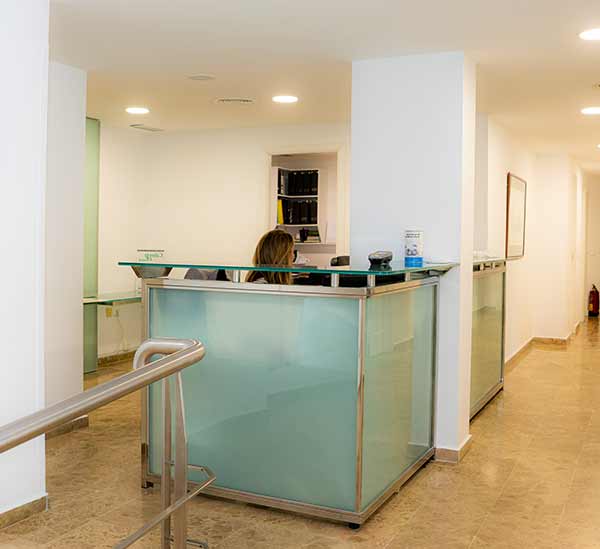
Private Social Media Addiction Treatment in Marbella
If you are concerned about compulsive social media use in yourself or someone close to you, early specialist intervention can make a significant difference. Speaking with us does not commit you to treatment. It simply gives you the opportunity to understand what help may be appropriate.
All conversations are confidential and without obligation.
All conversations are confidential and without obligation.
A Discreet Therapeutic Setting in Marbella, Andalusia
Set within a discreet therapeutic environment in Marbella, Andalusia, treatment offers complete confidentiality, structured therapeutic oversight, and distance from the digital cues that often sustain compulsive checking and emotional overstimulation. This gives clients the space needed for psychological stabilisation, cognitive recovery, and meaningful change. For many people, stepping away from the environments linked to comparison, performance, distraction, and online dependency is an important part of beginning recovery with greater clarity and safety.
Treatment Duration and Recovery Process
Treatment may include:
Comprehensive psychological and psychiatric assessment
Structured behavioural stabilisation
Sleep and attention regulation
Intensive individual psychotherapy
Digital boundary restructuring
Structured aftercare planning
A minimum four-week commitment is required. The objective is restoration of emotional regulation, attentional stability, self-worth independent of online feedback, and more durable long-term recovery beyond the retreat setting.
Continuity of Care
Social media addiction may appear socially normal, but prolonged overuse can significantly affect attention, emotional stability, self-worth, and real-world functioning.
When addressed through structured psychological intervention, psychiatric integration, and intensive one-to-one treatment, recovery is achievable and sustainable. Following residential treatment in Marbella, structured aftercare planning supports long-term stability and relapse prevention.
When addressed through structured psychological intervention, psychiatric integration, and intensive one-to-one treatment, recovery is achievable and sustainable. Following residential treatment in Marbella, structured aftercare planning supports long-term stability and relapse prevention.
Frequently Asked Questions
What is social media addiction?
Social media addiction is a behavioural pattern in which the use of platforms such as Instagram, TikTok, Facebook, X, Snapchat, or similar apps becomes compulsive, difficult to control, and increasingly disruptive to emotional wellbeing or daily life.
What are the signs of social media addiction?
Common signs include repeated checking, anxiety when unable to access platforms, emotional dependence on likes or replies, compulsive scrolling, sleep disruption, loss of concentration, and continued overuse despite harm.
Why is social media so addictive?
Because it combines variable reward, novelty, social validation, and constant accessibility. These mechanisms can train the brain to seek repeated checking and external reassurance.
Can social media addiction affect mental health?
Yes. It may contribute to anxiety, insecurity, comparison-based distress, reduced self-worth, attentional fragmentation, emotional reactivity, and sleep disturbance.
Do you treat social media addiction privately?
Yes. Confidentiality is central to the Phoenix Programmes model. Because we work with one client at a time, treatment remains highly discreet, contained, and individualised.
How long does treatment take?
A minimum four-week commitment is required. This allows time for assessment, behavioural stabilisation, therapeutic work, digital boundary restructuring, and the early rebuilding of emotional and attentional stability.
Do you treat complex or dual-diagnosis cases?
Yes. Our one-client-at-a-time model is particularly suitable for individuals with anxiety, trauma history, self-esteem instability, attentional vulnerability, or significant privacy concerns. There is no obligation and no pressure. The first step is simply a confidential discussion.
If you think that you or someone you love might have a problem with drug or alcohol addiction, compulsive behaviour or emotional disorders, reach out and speak to our specialist addiction rehab treatment team on our confidential helpline +34 691 881 422. Immediate admission available.

