
Alcohol & Pregnancy – The Risk to the Unborn Child
- Addiction rehab treatment centre in Spain
Foetal Alcohol Syndrome (FAS) was formally recognised in 1973. Once it was identified as a significant risk to the unborn child the medical community’s view on drinking in pregnancy changed completely. Prior to this alcohol wasn’t considered a danger and was often given as pain relief or for relaxation. Nowadays most women are advised to abstain totally from alcohol whilst pregnant.
Despite this the numbers of babies born with Foetal Alcohol Syndrome Disorders (FASD – the umbrella term given to a range of disorders associated with conditions caused by exposure to alcohol in the womb) has increased. Last year the USA reported that there could be up to 5% of American children being born with FASD.
If a mother drinks whilst pregnant alcohol passes, in the blood, through the placenta into the developing foetus in the womb. The foetus is developing through the whole nine months of pregnancy and the liver is one of the last organs on the baby to develop to develop fully.
Therefore, the baby can’t process the alcohol and it can cause a long list of problems. A baby exposed to alcohol in the womb can have physical problems, such as birth defects, underdeveloped organs, growth impairments or conditions like cerebral palsy & epilepsy.
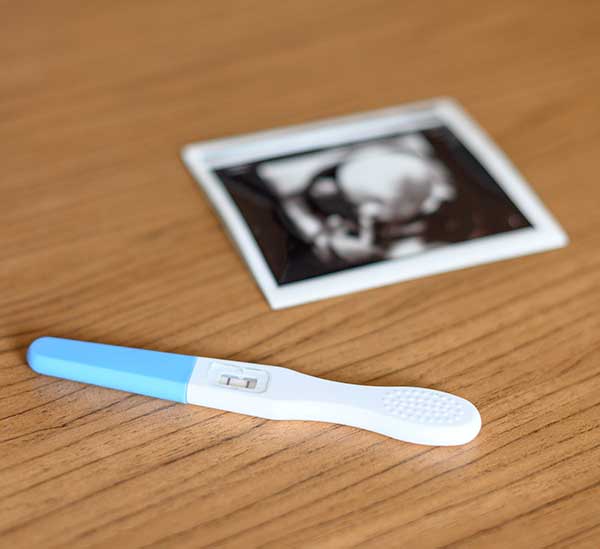
A child can develop learning and behavioural problems. Difficulty with memory, speech, reading and writing or conditions like ADHD and sleep disorders. There are more than 400 conditions that can affect individuals with FASD. There is no cure for FASD. However, it is completely preventable, by not drinking alcohol during pregnancy. Most mothers stop drinking as soon as they find out they are pregnant, or when they are trying to conceive. Others find it more difficult; they may need to seek help from their Doctor, Midwife or other Healthcare practitione
If you think that you or someone you love might have a problem with drug or alcohol addiction, compulsive behaviour or emotional disorders, reach out and speak to our specialist addiction rehab treatment team on our confidential helpline +34 691 881 422. Immediate admission available.

Cannabis, Depression and Long-Term Use: When to Seek Help
A middle-aged woman who has used cannabis for many years may begin to wonder whether it is still helping her cope, or whether it has become part of the problem. She may use it to switch off, sleep, manage anxiety, numb difficult feelings.
...

Freedom from Cocaine Addiction: Private Treatment in Marbella
Cocaine can begin as part of a social working life and slowly become something used alone, during the day, and eventually in the morning. This article looks at how that happens, the facts behind the risks, and the private support available at Phoenix...

Is Cannabis Dangerous Enough To Be A Class A Drug?
Police Commissioner David Sidwick claims that cannabis is as harmful as many class A drugs, and should be upgraded from its current class B status to send a clear message about the dangers of this powerful drug.
...

The Two Halves of Life: Alcohol, Ageing and Recovery
The first half of life is often about building an identity. The second asks what truly matters. For many people, recovery becomes the bridge between the two. Phoenix’s Individual Treatment Programme offers confidential, personalised support for that ...

The Power of Choice in Addiction Recovery Programmes
Willingness is essential for successful recovery. Without it, the journey to lasting change can be difficult, if not impossible. So, how do we find the willingness to enter a recovery program and the determination to change our lives?
...

Facing the Family Sober: How to Cope Over Christmas
Christmas isn’t always family fun - for many, it involves feuds and separations, keeping the peace, or difficult relatives. Yet there are lots of things you can do to stay sane and sober and reduce the risks for addicts and alcoholics.
...

Stay Sober! Tips on staying safe, & sane, in the holiday season
Whether you are new in recovery, or you have been clean and sober for a while the festive season can be a tricky, uncomfortable, or difficult time, with office and work parties and family celebrations to contend with.
...

Alcoholic Blackouts: The Hidden Dangers Behind Binge Drinking
Alcoholic blackouts are often mistakenly believed to involve simply losing consciousness, but the truth is far more alarming. These episodes occur when a person remains awake and seemingly functional but later has no memory of
...

