
The dangers of binge drinking according to the WHO
- Alcohol addiction rehab centre
According to the World Health Organisation, in 2010 alcohol misuse was the fifth leading risk factor for premature death and disability.
Between the ages of 15 and 49, it is the most common and in the age group 20–39 years, approximately 25 percent of the total deaths are attributed to alcohol.
Binge drinking is a form of alcohol abuse that is often overlooked, or even disregarded, as not being a serious problem.
Typical binge drinkers only drink alcohol a few days per week or month. They schedule their drinking sessions around other responsibilities, often holding down a good job, running a family or studying.
As a result, the drinking looks to all intents and purposes – and to those around them - as being social, just having fun or otherwise normal.
Problems begin to occur when this pattern of drinking changes, consequences deepen and then sometimes chronic daily drinking creeps in.
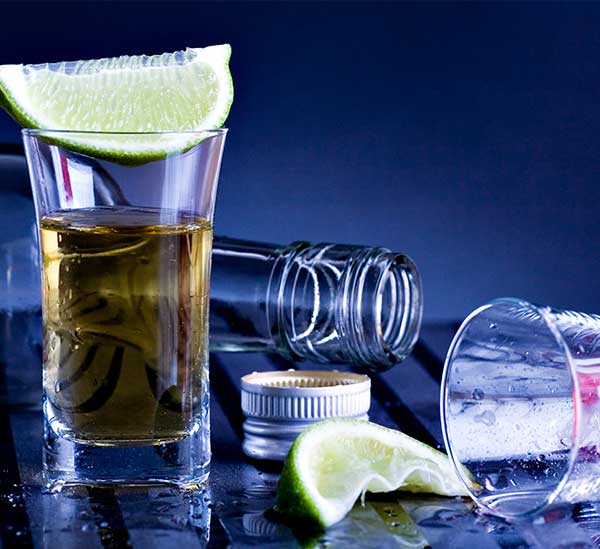
Binge drinking is defined as men consuming five or more drinks, and women four or more, within two hours. Generally, the liver breaks down one standard measure drink/per hour. Therefore, if you are drinking large quantities of alcohol in a short space of time your blood alcohol content will be extremely high. This can lead to not only health problems; a heavily intoxicated night out can also have a damaging cost to relationships and reputations.
Healthwise, long-term damage from heavy alcohol use isn’t limited to people with alcohol addiction (known as alcoholism), frequent binge drinkers can also develop health problems. And in some unlucky cases one binge can lead to serious consequences or even death.
The short-term negative effects of binge drinking include a raise in blood pressure, dehydration which is damaging to the kidneys, nausea leading to vomiting, which can cause choking whilst heavily intoxicated and various other injuries or accidents sustained whilst inebriated.
It also often results in a person having a loss of inhibitions which can lead to ill thought out decisions such as driving whilst under the influence, violent episodes or unintended sexual encounters.
Long-term effects can include; alcoholic liver disease, serious heart problems, pancreatitis and stomach ulcers. Heavy drinking has been linked to cancer of mouth, oesophagus, larynx, stomach, liver, colon, rectum, and breast. Binge drinking is a serious problem with serious consequences. By not paying attention to how much you drink and how fast you consume alcohol you are putting yourself and others in real danger.
If you think that you or someone you love might have a problem with drug or alcohol addiction, compulsive behaviour or emotional disorders, reach out and speak to our specialist addiction rehab treatment team on our confidential helpline +34 691 881 422. Immediate admission available.

Pain vs The Pursuit of Pleasure: What Recovery Teaches Us
For many people struggling with alcohol addiction, the turning point often comes not through the pursuit of happiness but through the raw experience of suffering. In the cycle of alcoholism, nights of chaos.
...
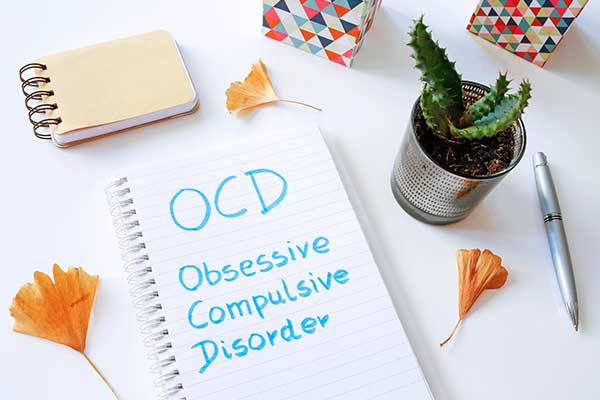
OCD – it is not just about being overly clean or tidy
Many people believe obsessive-compulsive disorder (OCD) is about being overly tidy or compulsively cleaning. This is true in some cases, but it is not just about cleanliness or neatness. OCD is a chronic anxiety disorder.
...

Exclusive Addiction Treatment: Switzerland or Spain?
Switzerland has an international reputation for private rehabilitation, medical expertise and discreet residential care. Spain also offers an attractive environment for recovery, with a mild climate, privacy and outdoor wellbeing.
...

Know Thyself: Why Authenticity Is the Core of Recovery
Authentic recovery requires courage, the courage to look inward, to confront illusions, and to reclaim the deepest truths of who we are. The AA reminder “To thy own self be true” captures this perfectly, rooted in ancient wisdom.
...

Well, what a year that was! News from rehab in Europe
It has been a difficult and challenging year for many. Here at the rehab centre we have had to adapt and modify our practices to ensure we were able to stay open throughout and continue treatment for all those in need of help.
...

Rise in teenagers presenting with cannabis induced psychosis
The increased decriminalisation and/or legalisation of cannabis use combined with the growing market of medical marijuana & the more widely spread use of cannabis oil has altered the perception of cannabis in general.
...
What can I do if I can’t afford Residential Rehab?
My problem drinking had been affecting my life for many years. I had tried rehab previously and it worked for a short while. Then I secretly started using drugs instead. I was hiding it from all my friends and family.
...

How We Dealt With Lockdown - Online Therapy Courses
With most of Europe experiencing a second wave of the Covid-19 virus and the appearance of new mutated strains, what are people doing if they need help for issues with alcohol and drug addiction during lockdown?
...

