

27th February, 2026
Review by: Chris Spencer, Addiction Specialist
Why Alcoholics Forget the Pain: The Psychology of Relapse
- Alcohol and Behavioural Addiction Treatment Centre
Human memory is not a recording device. It is adaptive. The brain did not evolve to preserve perfect recollection of the past. It evolved to promote survival and emotional stability in the present.
Psychologists describe a phenomenon known as fading affect bias, the tendency for negative emotional memories to fade faster than positive ones. Pain softens. Anxiety reduces. Shame loses immediacy. Meanwhile, pleasurable experiences remain more accessible.
In everyday life, this protects us. In alcoholism, it becomes dangerous.
Why Do Alcoholics Relapse Even After Promising to Stop?
Families often ask:
Why do alcoholics relapse after everything drinking has cost them? The answer lies in alcohol relapse psychology, not simply willpower.
After a heavy episode, consequences may include nausea, tremors, shame, relationship damage, financial harm, reckless behaviour. In that moment, resolve is sincere:

Never again.
I’m done.
I can’t continue like this.
Clarity feels permanent.
But the brain does not preserve emotional suffering with equal strength. As days pass, physical symptoms settle. Anxiety recedes. Shame becomes abstract. This is where we begin to understand why alcoholics forget consequences. What remains vivid is the early relief:
The anticipation of the first drink
The easing of tension
The lift in mood
The illusion of calm
Relief is remembered. Consequences fade. Relapse rarely begins dramatically. It begins quietly, internally.
Fading Affect Bias in Addiction
Private addiction treatment costs vary widely:
The memory of the hangover fades faster than the memory of the buzz.
The humiliation fades faster than the relief.
The damage fades faster than the dopamine reward.
Over time, thinking shifts:
Maybe it wasn’t that bad.
Perhaps I overreacted.
This time will be different.
This is not rational reflection. It is fading affect bias in addiction shaping decision-making.
Dopamine and Alcohol Addiction: The Reinforcement Loop
Understanding dopamine and alcohol addiction is crucial. Alcohol stimulates the brain’s reward circuitry. Early intoxication produces reinforcement — relief, emotional numbing, temporary ease.
The aftermath, withdrawal, shame, relational harm, does not activate the reward system in the same way. It fades more quickly in memory.
As addiction progresses:
The aftermath, withdrawal, shame, relational harm, does not activate the reward system in the same way. It fades more quickly in memory.
As addiction progresses:
Sensitivity to reward cues increases
Sensitivity to consequence cues decreases
Short-term relief overrides long-term reasoning
Relapse often reflects remembered relief rather than desired chaos. This is neurobiology, not moral failure.
Why the Promise Made in Pain Weakens
In the depths of suffering, the desire to stop drinking is genuine. But clarity is time-dependent. As equilibrium returns, urgency dissolves. The crisis feels exaggerated in hindsight. Consequences feel distant. This is the core answer to: Why do alcoholics relapse? Not because they enjoy misery. But because memory edits it.
How AA Prevents Relapse by Correcting Selective Memory
Understanding how AA prevents relapse requires recognising its repetition. “Keep coming back.” Meetings counter selective memory. When members hear others describe chaos and despair, they reactivate their own memories of consequence.
The newcomer recalls mornings of dread.
The relapse story restores perspective.
The long-term member demonstrates stability.
Meetings function as collective memory reinforcement. They rebalance remembered relief with remembered consequence.
The newcomer recalls mornings of dread.
The relapse story restores perspective.
The long-term member demonstrates stability.
Meetings function as collective memory reinforcement. They rebalance remembered relief with remembered consequence.
Structured Treatment and Alcohol Relapse Psychology
While meetings are powerful, structured therapeutic environments deepen this correction.
Professional treatment addresses:
Professional treatment addresses:
Alcohol relapse psychology
Cognitive distortions
Emotional avoidance
Neurobiological reinforcement
Without structure, biology often regains influence. Consistent therapy strengthens accountability and keeps consequences emotionally accessible while new neural patterns stabilise. External structure protects internal vulnerability.

The Discipline of Remembering
Sobriety requires deliberate remembering.
That may include:
That may include:
Regular meetings
Therapeutic reflection
Honest conversations
Revisiting consequences without romanticising them
“How quickly we forget” is human design.
In alcoholism, forgetting becomes risk.
Recovery depends on keeping truth close enough to influence the next decision.
In alcoholism, forgetting becomes risk.
Recovery depends on keeping truth close enough to influence the next decision.
ALCOHOL ADDICTION TREATMENT CENTRE
Choose the Right Alcohol or Drug Rehab in the UK, Ireland & Spain
Lest We Forget
“Lest we forget” is a warning against complacency.
In alcohol recovery, forgetting the cost of drinking invites repetition.
Meetings, therapy, and structured recovery exist for one reason: to keep consequences vivid enough to inform choice before the first drink is taken.
Remembering protects sobriety.
And sobriety protects everything else.
In alcohol recovery, forgetting the cost of drinking invites repetition.
Meetings, therapy, and structured recovery exist for one reason: to keep consequences vivid enough to inform choice before the first drink is taken.
Remembering protects sobriety.
And sobriety protects everything else.
If you think that you or someone you love might have a problem with drug or alcohol addiction, compulsive behaviour or emotional disorders, reach out and speak to our specialist addiction rehab treatment team on our confidential helpline +34 691 881 422. Immediate admission available.

Europe goes into Lockdown….tips for staying sane
As all of Europe goes into varying degrees of government enforced lockdowns and its land borders shut for 30 days, here are some tips from Phoenix Programmes for staying sane when self-isolating for safety
...

How to Help a Loved One Dealing with Addiction
Loving someone who’s struggling in the grip of addiction is heartbreaking. All you want to do is help. But here’s the thing: there’s a thin and blurry line between helping and enabling an addict. And it’s extremely easy to end up on the wrong side of...
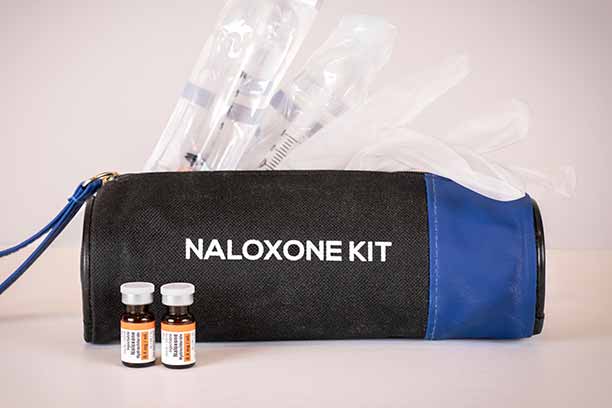
Is Naloxone the answer to the current opioid crisis?
Naloxone is a drug used to halt the effects of opioids such as heroin and fentanyl and is used as an antidote to an opioid overdose. In an opioid overdose breathing can slow down or stop, naloxone works to reverse that.
...

Choosing the Right Luxury Rehab Treatment Centre
For those seeking a luxury rehab treatment centre for themselves or a loved one, this is the first step in choosing an investment in your future life without the use of drugs and alcohol. Selecting the right treatment centre.
...

When Does a Pornography Habit Start to Become a Problem?
That question sits quietly behind many people’s concerns, often long before they feel ready to say it out loud. Addiction is addiction is addiction. Whether the focus is a substance or a behaviour, addiction tends to follow a recognisable pattern.
...

How Can I Control my Drinking at Christmas Parties?
Are you worried about drinking too much at the office party or overdoing the celebrations with your friends? Find out how to enjoy yourself without getting drunk over Christmas, and how to spot when your drinking is out of control.
...

Cocaine Addiction Treatment in Marbella: Residential Care
Someone may still be working, running a business, caring for a family, travelling, socialising, and appearing to cope. Yet privately, cocaine may be taking up more and more space. What began as something occasional may become connected to pressure, c...
OCD – it is not just about being overly clean or tidy
Many people believe obsessive-compulsive disorder (OCD) is about being overly tidy or compulsively cleaning. This is true in some cases, but it is not just about cleanliness or neatness. OCD is a chronic anxiety disorder.
...

