
27th March, 2026
Review by: Chris Spencer, Addiction Specialist
Understanding Human Nature in Addiction and Recovery
- Behavioural Addiction Treatment Centre
Human nature is not simple. Within every person lives both the capacity for good and the capacity for harm. We are capable of generosity and selfishness, kindness and cruelty, courage and fear.
At times we can act like saints, guided by conscience and compassion. At other times we can act like sinners, driven by ego, impulse, or self interest.
This duality is not a defect; it’s part of being human. Psychology teaches that we are not built as purely moral or immoral beings but as adaptive ones. Evolution shaped us with both competitive instincts for survival and cooperative instincts for connection. The question is not whether these two sides exist within us, but which side we choose to strengthen.
The Wolf Within Us
A well known metaphor suggests that two wolves live inside each of us. One represents patience, kindness, honesty, humility and compassion. The other represents anger, selfishness, fear, ego and resentment.
Both are always present, but they are not equal in influence. Which one shapes our character? The one we feed.
Both are always present, but they are not equal in influence. Which one shapes our character? The one we feed.

In addiction, this principle becomes even more visible. The impulsive side is fed repeatedly; short term relief overrides long term thinking. Recovery works the same way in the opposite direction: each positive action, reaching out, being honest, showing up, asking for help, feeds the healthier wolf. Not perfectly, but consistently, and over time that changes everything.
The Evolutionary Roots of Good and Harm
From an evolutionary perspective, humans developed traits that may appear contradictory because both served important purposes.
Self interest helped individuals survive. Protecting resources, seeking advantage and defending ourselves increased the chances of survival, yet unchecked it can become selfishness, fear or aggression.
Cooperation was equally vital. Humans who formed groups, shared resources and protected one another were more likely to survive than those who tried to live alone.
Empathy and compassion became survival advantages. Even our discomfort with injustice helped groups remain stable because fairness fosters trust and cooperation.
Modern neuroscience shows we are wired for this dual capacity. We have threat systems that react to danger and reward systems that respond to connection. Mirror neurons allow us to feel the suffering of others; emotional circuits reward kindness with meaning and punish isolation with loneliness. Simply put, we are designed to belong.
Why Loneliness Hurts So Much
Loneliness is not just uncomfortable; it is a biological warning signal. For most of human history, isolation meant danger. A person cut off from the tribe was unlikely to survive. Our nervous system still interprets social abandonment as life threatening.
That’s why we instinctively seek acceptance and cooperation. Morality isn’t just philosophy; it’s the set of rules a community develops to live peacefully together and to discourage behaviours that threaten the group. Values like honesty, kindness, fairness, humility and generosity allow people to trust one another. Trust permits cooperation. Cooperation allows communities to thrive. Without these values, social life collapses into conflict and chaos.
Through experience, we learn that if we want friendship, respect and belonging, we must behave in ways that strengthen cooperation.
The Scale Between Selfishness and Selflessness
Human character exists on a spectrum. At one end is the taker, the purely self interested person who seeks advantage without regard for others. At the other end is the giver, someone motivated by service, generosity and concern for others. Most of us live somewhere in the middle, leaning toward giving because generosity is essential for communal harmony.
Research shows that people who move toward generosity, gratitude and service consistently experience greater life satisfaction and wellbeing. They’re more respected and more accepted. Those who repeatedly break the moral code are shunned and deemed untrustworthy. Simply put, doing good feels good because we’re built that way.
Meaning comes less from what we accumulate and more from what we contribute. Purpose grows naturally when we move from “What can I get?” to “How can I help?” As Mahatma Gandhi put it, “The best way to find yourself is to lose yourself in the service of others.”
This principle is at the heart of recovery programmes like Alcoholics Anonymous (AA). Sobriety is not maintained by self absorption but by helping others. Members often say we keep what we have by giving it away. Service is not a burden but a privilege; helping others strengthens our own recovery.
In AA, this can be as simple as making coffee, welcoming a newcomer, sharing honestly at a meeting or reaching out to someone who is struggling. These small acts gradually move a person from isolation into belonging and from self obsession into purpose. It’s not about perfection. It’s about direction.
The Two Personalities: Ego and Purpose
Psychology often describes two competing motivational systems within us.
Ego Driven Self
Ego Driven Self
What about me?
Do I have enough?
Am I important enough?
I want what you have.
I want more
Purpose Driven Self
This part seeks meaning, growth, connection, contribution and legacy. It asks:
This part seeks meaning, growth, connection, contribution and legacy. It asks:
How can I grow?
How can I help?
Who can I help?
What difference can I make?
A life dominated by ego often leads to comparison, competition and dissatisfaction. A life guided by purpose tends to lead to meaning and wellbeing. Many people discover, especially later in life, that contribution matters more than accumulation. It’s not about what they owned, but about who they were.

Growth Through Humility
One of the great paradoxes of human development is that humility strengthens us. When we stop pretending to be perfect, we become teachable. When we accept our flaws, we can grow. When we let go of ego, we often gain respect rather than lose it.
Humility allows honesty
Honesty allows growth
Growth builds self respect
Self respect is the gateway to inner peace
Recovery programmes emphasise humility for this reason. They do not ask members to become perfect; they ask them to become honest, willing and teachable. Many discover that their greatest weaknesses become their greatest teachers.
Humility also strengthens relationships. People are drawn to those who listen, show kindness and admit mistakes. These qualities build trust, and trust builds connection. Becoming a better person isn’t about becoming superior to others. It’s about becoming more useful to others.
Humility also strengthens relationships. People are drawn to those who listen, show kindness and admit mistakes. These qualities build trust, and trust builds connection. Becoming a better person isn’t about becoming superior to others. It’s about becoming more useful to others.
Becoming the Person We Were Designed to Be
If our nature contains both darkness and light, then personal development is about deciding which side we will strengthen. Choosing patience over anger strengthens patience. Choosing kindness over indifference strengthens kindness. Choosing honesty over avoidance strengthens character. Over time, these choices become habits. Habits build character. Character becomes destiny.
AA understands this deeply. Its simple daily disciplines, meetings, honesty, gratitude, service and self reflection, are habits designed to strengthen the better side of our nature. Over time, these practices reshape how we think and live. Human evolution gave us the raw materials for both destruction and compassion. It also gave us something else: the ability to choose.
AA understands this deeply. Its simple daily disciplines, meetings, honesty, gratitude, service and self reflection, are habits designed to strengthen the better side of our nature. Over time, these practices reshape how we think and live. Human evolution gave us the raw materials for both destruction and compassion. It also gave us something else: the ability to choose.
THE SAINT AND THE SINNER WITHIN US
Choose the Right Alcohol or Drug Rehab in the UK, Ireland & Spain
The Lifelong Journey Toward Inner Harmony
Perhaps the goal of life is not perfection but harmony, to bring our competing impulses into balance. To accept that we are imperfect yet capable of growth. Inner harmony often comes when our actions begin to match our values.
When we try to live honestly
When we try to be useful
When we try to reduce harm and increase good
When we try, however imperfectly, to become givers rather than takers
This is where many people discover wellbeing: not in pleasure alone, but in purpose; not in isolation, but in connection; not in ego, but in love. The beautiful truth about human beings is that while we are capable of darkness, we are naturally rewarded when we move toward light. Perhaps that’s why the path toward meaning often looks like this:
To grow
To love
To serve
To become slightly better than we were yesterday
Our greatest legacy may not be what we leave behind, but the good we pass on to others, like ripples in water, spreading far beyond what we can see.
If You or Someone You Love Is Struggling
Many people caught in addiction feel trapped by the darker side of their nature. They are not lacking morality; they are caught in a pattern where the wrong side has been repeatedly reinforced. Recovery is not about becoming someone else. It’s about strengthening the healthier side that already exists within you.
If you or someone close to you is struggling with alcohol or drug use, it may not be a question of willpower, but of understanding and support. At Phoenix Programmes, we provide private, one to one addiction treatment designed to help individuals regain balance, rebuild purpose and move toward lasting recovery in complete discretion and care.
Reach out today. Your journey toward inner harmony and freedom can begin with one small step.
If you think that you or someone you love might have a problem with drug or alcohol addiction, compulsive behaviour or emotional disorders, reach out and speak to our specialist addiction rehab treatment team on our confidential helpline +34 691 881 422. Immediate admission available.

Cocaine Addiction Treatment in Marbella: Residential Care
Someone may still be working, running a business, caring for a family, travelling, socialising, and appearing to cope. Yet privately, cocaine may be taking up more and more space. What began as something occasional may become connected to pressure, c...

The Fear Beneath the Drinking: Alcohol, Anxiety and Recovery
Many people believe alcohol is the problem. For many alcoholics, however, alcohol was never the real problem at all. It was the attempted solution. Understanding the relationship between fear, anxiety, and alcohol helps explain why drinking can becom...

Do I Need A Medical Detox To Stop Drinking Alcohol Safely?
Do you get the shakes if you don’t have a drink? Then giving up alcohol suddenly could kill you - yet continuing to drink can have fatal consequences too. A medical detox at a specialist rehab centre could save your life.
...
Fentanyl Is Dangerous, Not a Weapon of Mass Destruction
Fentanyl is frequently described in extreme and frightening terms, leaving many families confused and anxious. This article offers a calm, professional perspective on fentanyl, addiction, and why effective treatment.
...
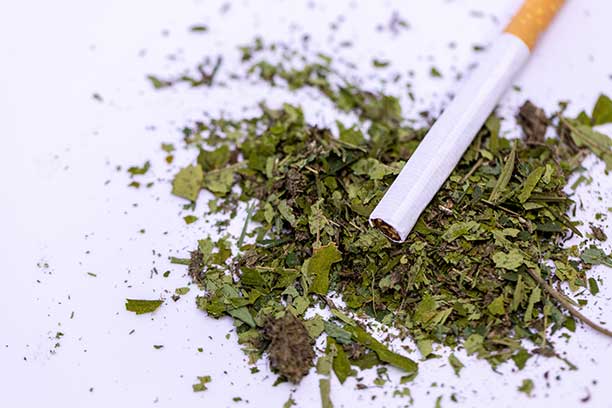
Is Cannabis Really A Safe Drug? What Are The Dangers?
Is marijuana really a safe drug? Or can it be just as dangerous as many class A drugs?, Are you having problems with weed or hash?, If you are, there’s nothing strange about it - it is definitely harmful for many people.
...

The Iceberg of Addiction: What You See vs What Needs to Change
Many people believe their problem is alcohol, drugs, or a specific behaviour. On the surface, that makes sense, as that is what causes the immediate damage. That is what people see, and that is what creates the crisis. But in reality, this is only a ...

Private Addiction Recovery Accommodation in Marbella
When someone first contacts us, they are often at a difficult point. They may be concerned about their own drinking, drug use or wellbeing, or worried about a partner, child, friend or colleague. Sometimes an enquiry comes from a family office or ano...
Cocaine Addiction Treatment in Marbella: Residential Care
Someone may still be working, running a business, caring for a family, travelling, socialising, and appearing to cope. Yet privately, cocaine may be taking up more and more space. What began as something occasional may become connected to pressure, c...

