
One in Four Brits are addicted to prescription drugs
- Addiction rehab treatment centre in Spain
In an article by the Daily Mail in September 2019 it was claimed that 1 in 4 Brits are addicted to prescription drugs. Whether that figure is accurate is disputed – what is a known fact is that 1 in 4 Brits had been prescribed a potentially addictive substance in the previous year.
Public Health England said that in 2019 11.5 million patients in the UK had received a prescription for a potentially addictive drug such as anti-depressants, tranquilisers or opioid painkillers and the UK prescriptions for addictive painkillers has doubled in the last five years.
In the USA, a 2015 survey by SAMHSA (Substance Abuse & Mental Health Administration) found that almost 19 million people, aged over the age of 12, had misused prescription drugs in the previous year.
Misusing prescription drugs can be anything from taking pills prescribed to your neighbour for a toothache, to snorting Oxycontin bought on the street to get high.
Medicines that were initially prescribed for legitimate reasons are being abused and, in some cases, have left their users with a long-term addiction problem, often ending with severe consequences.

Just because a doctor prescribes a drug it doesn’t mean that it’s safe for everyone. As the number of issued prescriptions rises, so do the rates of people misusing prescription drugs.
As you would expect with any rise in drug use, the death from overdoses is also on the increase and in 2013 the number of patients who died from a fatal prescription drug overdose was 807, in comparison the number of deaths caused by the use of heroin or cocaine was 718.
Prescription drug abuse is a problem that is going nowhere fast. The misuse of any addictive substance can lead to an addiction problem, with sometimes life-threatening withdrawal symptoms. Any form of drug abuse can have adverse medical effects; lowered or raised blood pressure, problems with the heart and other organs. Nausea, vomiting, a lack of interest in food, increased panic, anxiety & paranoia.
The most common types of addictive prescription drugs fall into the following three categories -
Painkillers – these usually come in the form of an opioid such as Codeine, Morphine, Tramadol, Fentanyl or Oxycodone (to name a few). They work by supressing the bodies reaction to pain and can give feelings of euphoria.
Sedatives – (also known as depressants) benzodiazepines such as Valium or Xanax, non-benzodiazepine sleeping pills like Ambien or barbiturates such as Luminal & Nembutal. Sedatives are often used to treat sleep disorders and anxiety.
Stimulants – such as Dexedrine, Adderall or Ritalin, normally used to treat disorders such as ADHD. These drugs can give a feeling of exhilaration, increased energy levels and mental alertness. Stimulants are also often used as an appetite suppressant.
Any prescription medication can be abused. If you are taking more than prescribed by your doctor, taking medication prescribed for someone else or taking medication to produce a feeling of euphoria - then you could have a problem.
If you think that you or someone you love might have a problem with drug or alcohol addiction, compulsive behaviour or emotional disorders, reach out and speak to our specialist addiction rehab treatment team on our confidential helpline +34 691 881 422. Immediate admission available.
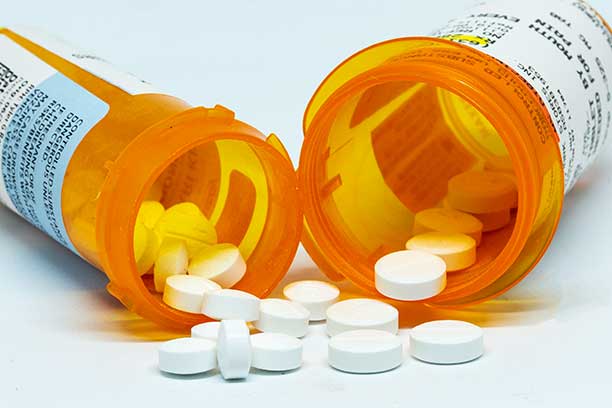
Addicted to Prescription Drugs such as Morphine and Tramadol
When most people think of a drug addiction, we think of the heroin addict, cocaine user or the pot head smoking marijuana. But recent years have also seen a leap in the number of people abusing prescription drugs.
...

The Two Halves of Life: Alcohol, Ageing and Recovery
The first half of life is often about building an identity. The second asks what truly matters. For many people, recovery becomes the bridge between the two. Phoenix’s Individual Treatment Programme offers confidential, personalised support for that ...

Being aware and Managing Post-Acute Withdrawal Syndrome
At our exclusive alcohol and drug treatment centre, we often manage Post-Acute Withdrawal Syndrome (PAWS), which encompasses the lingering effects of alcohol or drug withdrawal. Recovery typically spans 6 to 24 months.
...

Phoenix Executive Programmes: a client’s story
Accepting I needed help with my drinking was not difficult; my relationships had grown increasingly strained, my performance at work was suffering and a recent company medical had shown the early signs of alcohol damage.
...

Choosing the Right Luxury Rehab Treatment Centre
For those seeking a luxury rehab treatment centre for themselves or a loved one, this is the first step in choosing an investment in your future life without the use of drugs and alcohol. Selecting the right treatment centre.
...

How Addiction, Including Alcohol, Impacts the Whole Family
Addiction is never an isolated issue. Like a stone cast into water, its ripples spread far beyond the individual, touching everyone nearby—especially family members. Whether the addiction involves alcohol, drugs, or other substances.
...

The Addictive Pursuit of More: Why We’re Never Satisfied
Human beings have always been seekers. From the earliest cave dwellers who searched for fire, food, and shelter, to modern individuals chasing wealth, status, and experiences, the innate drive to attain more .
...
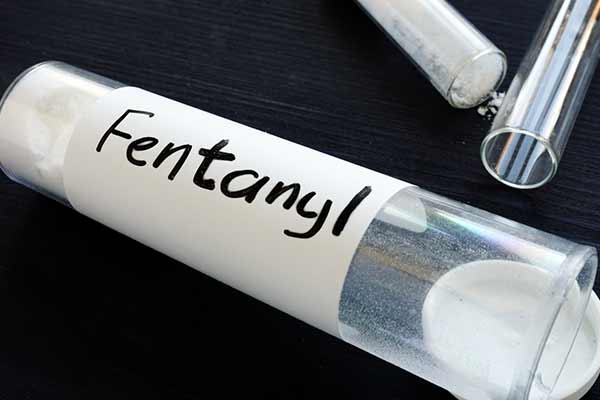
Fentanyl, Addiction, and Trump: Policies, and the Ongoing Crisis
The fentanyl crisis has been one of the most devastating public health emergencies in recent U.S. history, fueling a surge in opioid addiction and overdose deaths. President Donald Trump made combatting fentanyl one of his drug policy,
...

