
3rd July, 2026
Review by: Chris Spencer, Addiction Specialist
Why Our Brains Learn Addiction Patterns - And How Recovery Creates New Ones
- Drug Addiction Treatment Centre
Why Do We Keep Repeating the Same Mistakes?
Have you ever wondered why someone can genuinely promise themselves they will never drink or use drugs again, only to find themselves doing exactly the same thing a few days later? Many people believe it is simply a lack of willpower. I don’t.
After living through addiction myself and spending almost three decades helping others recover, I have come to understand something very different. Our brains are designed to recognise patterns. That ability is one of the greatest gifts we possess. Unfortunately, addiction teaches the brain the wrong patterns. The wonderful news is that recovery can teach it better ones.
After living through addiction myself and spending almost three decades helping others recover, I have come to understand something very different. Our brains are designed to recognise patterns. That ability is one of the greatest gifts we possess. Unfortunately, addiction teaches the brain the wrong patterns. The wonderful news is that recovery can teach it better ones.
The Brain Is Built to Learn
One of the most remarkable things about the human brain is its ability to learn through repetition. Think about learning to drive a car. At first, every movement requires concentration. Mirrors. Gears. Steering. Clutch. Indicators.
Eventually, those actions become automatic. The same happens when we learn to ride a bicycle, type on a keyboard or make a cup of coffee.
Eventually, those actions become automatic. The same happens when we learn to ride a bicycle, type on a keyboard or make a cup of coffee.
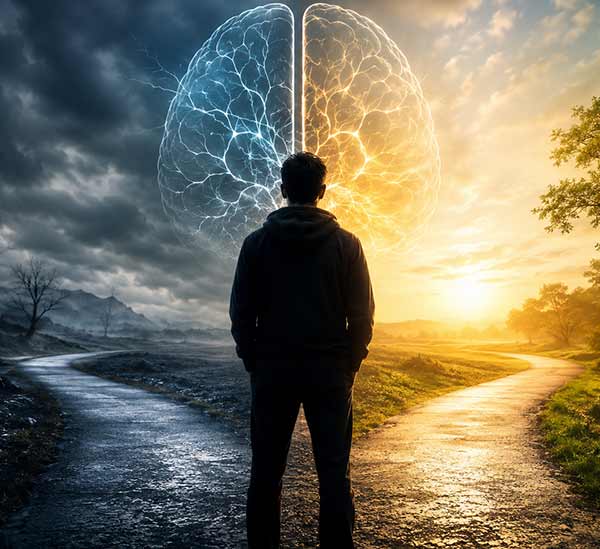
The brain strengthens whatever we repeat. Imagine walking across an open field. The first journey leaves almost no trace. Walk the same route every day and a path begins to appear. Months later the grass is worn away.
Years later there is an obvious track that almost everyone naturally follows. Our brains work in much the same way. Every repeated thought, feeling and behaviour creates a pathway. The more often we follow that pathway, the easier it becomes to travel again. The brain doesn’t decide whether the pathway is healthy or destructive. It simply strengthens whatever we practise most often.
Years later there is an obvious track that almost everyone naturally follows. Our brains work in much the same way. Every repeated thought, feeling and behaviour creates a pathway. The more often we follow that pathway, the easier it becomes to travel again. The brain doesn’t decide whether the pathway is healthy or destructive. It simply strengthens whatever we practise most often.
When Healthy Learning Becomes Addiction
That is exactly what happened to me. Like many people, my drinking and drug use began socially. There was no intention of becoming addicted. Alcohol and drugs appeared to make life easier. They seemed to reduce anxiety. They created confidence. They relieved boredom. They numbed emotional pain. Without realising it, I was teaching my brain a dangerous lesson.
Stress? Drink or use drugs. Loneliness? Drink or use drugs. Celebration? Drink or use drugs. Disappointment? Drink or use drugs. Little by little, alcohol and drugs became my solution to almost every emotion life presented. Eventually I stopped making conscious decisions. My brain had already learned the pattern.
Stress? Drink or use drugs. Loneliness? Drink or use drugs. Celebration? Drink or use drugs. Disappointment? Drink or use drugs. Little by little, alcohol and drugs became my solution to almost every emotion life presented. Eventually I stopped making conscious decisions. My brain had already learned the pattern.
When Addiction Stops Feeling Like a Choice
As my addiction progressed, something changed. Using alcohol or drugs no longer felt like a decision. It became an automatic response. Looking back, I realise that I wasn’t thinking clearly at all. I was following a well-worn pathway that my brain had travelled thousands of times before.
Every repetition strengthened it. Every relapse deepened it. The addiction wasn’t creating a new brain. It was repeatedly reinforcing the same destructive pattern.
Every repetition strengthened it. Every relapse deepened it. The addiction wasn’t creating a new brain. It was repeatedly reinforcing the same destructive pattern.
Why Cravings Become Obsessive
At my worst, cravings became relentless. If the thought of drinking or using drugs entered my mind, it refused to leave. The longer I resisted, the stronger it seemed to become. My thinking would begin negotiating.
“Just one drink.”
“Just one line.”
“You’ll stop tomorrow.”
“This time will be different.”
The conversation felt convincing because it was familiar. It wasn’t logical thinking. It was an old programme replaying itself. Once the craving was triggered, rational thought became increasingly difficult. My brain was simply trying to lead me back down the pathway it knew best.
The Brain’s Greatest Trick: Selective Memory
One of the cruellest aspects of addiction is selective memory. Whenever cravings appeared, my mind showed me only the highlights. The anticipation. The excitement. The temporary escape. The false confidence. What it carefully edited out were the consequences.
The panic.
The paranoia.
The sleepless nights.
The bleeding nose.
The headaches.
The lies.
The broken promises.
The fear.
The shame.
The damaged relationships.
The despair of waking up once again wondering how my life had become so unmanageable.
It was as though my brain had become an expert film editor, removing every painful scene and leaving behind only the illusion that alcohol and drugs had somehow improved my life. Deep down I knew the truth. But during a craving, my mind rarely showed it to me.
RETRAIN YOUR BRAIN FOR RECOVERY
Request a confidential call to discuss private alcohol treatment in Marbella.
The Lesson That Changed My Recovery: Fast-Forward the Film
One of the greatest lessons I ever learned in recovery was beautifully simple. Stop watching the beginning of the film. Fast-forward to the ending. My addicted mind always replayed the opening scenes. The first drink. The first line. The anticipation. The rush. The temporary relief.
That was the trailer addiction wanted me to watch. Recovery taught me to press fast-forward. I learned to watch the whole film. I saw myself lying awake at four o’clock in the morning with my heart racing. I remembered the anxiety.
The paranoia.
The exhaustion.
The bleeding nose.
The headaches.
The lies I had told.
The promises I had broken.
The overwhelming fear that this time I had finally gone too far.
That was always the ending.
Every single time. When I learned to watch the whole film instead of the opening scene, the illusion began to lose its power. The temporary pleasure was never worth the inevitable pain. For me, the avoidance of pain eventually became greater than the pursuit of pleasure. That realisation became one of the turning points in my recovery.
Recovery Rewires the Brain
Scientists call this neuroplasticity. It simply means that our brains continue changing throughout our lives. Every healthy decision creates and strengthens new neural pathways.
Every sober day. Every recovery meeting. Every honest conversation. Every phone call to a sponsor. Every walk. Every workout. Every act of gratitude. Every difficult emotion faced without alcohol or drugs.
Each one strengthens a healthier pattern while the old addictive pathways gradually weaken through lack of use. Recovery is not about getting a new brain. It is about teaching your existing brain a new way of living.
The Pattern That Saved My Life
My brain has never stopped recognising patterns. It simply learned better ones. Today, when life becomes difficult, my first thought is no longer to drink or use drugs. My first thought is to talk.
To pray.
To exercise.
To write.
To attend a meeting.
To ask for help.
To be honest.
Those responses didn’t happen overnight. They were built one day at a time through repetition, commitment and practice. That, to me, is one of the greatest miracles of recovery. Not that my brain suddenly became different. But that it gradually learned healthier patterns. The same brain that once led me towards addiction now helps lead me towards freedom.
Final Thoughts
If you are struggling with alcohol or drugs, or watching someone you love caught in the same destructive cycle, remember this: Addiction is not a failure of intelligence. It is not a failure of character.
It is a learned pattern of thinking and behaviour that can be changed. With the right treatment, honest support and a willingness to practise a different way of living, the brain can learn new pathways. I know this because I have lived it. And after helping people recover for almost thirty years, I have seen it happen thousands of times.
Recovery is not about becoming a different person. It is about teaching your remarkable brain a different pattern. And that journey can begin today.
If you think that you or someone you love might have a problem with drug or alcohol addiction, compulsive behaviour or emotional disorders, reach out and speak to our specialist addiction rehab treatment team on our confidential helpline +34 691 881 422. Immediate admission available.

Are you Afraid that your Child is Addicted to Video Games?
In May 2018 the World Health Organisation (WHO) added gaming disorder to the 11th edition of the International Statistical Classification of Diseases finally recognising that Gaming addiction is an illness. The first arcade and home computer games be...
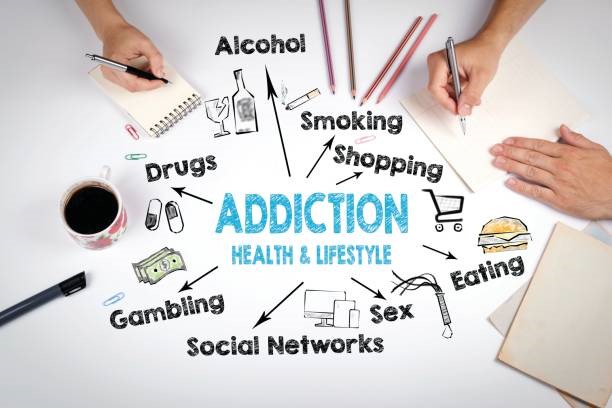
Lockdown sees a rise in the use of alcohol, drugs, & gambling
During lockdown restrictions were placed on the sale of alcohol in many countries. Some, including South Africa and Greenland, went so far as to temporarily ban the sale of alcohol altogether. Yet addiction has sharply risen nonetheless.
...

Post-Traumatic Stress Disorder, also known as PTSD
Post-Traumatic Stress Disorder (PTSD) can develop if a person experiences a shocking event, or series of events – war, combat, a terrorist attack, a serious accident, a natural disaster or a rape or violent assault.
...

What’s behind rising drug deaths in England and Wales?
Drug-related deaths in England and Wales are at a record high, having risen steadily for 9 years. The Office of National Statistics reported 4,850 drug poisoning deaths registered in 2021, up 6.2% from the previous year.
...

Celebrations Can Lead To Increase In A&E Admissions
As the UK gears up for Halloween and Bonfire Night, excitement fills the air with spooky fun, fireworks, and festive gatherings. However, these celebrations often see a rise in emergency room visits linked to alcohol and drug misuse.
...
Eating Disorder Awareness – a deadly mental health illness
Eating disorders affect approximately 10% of the population worldwide, and over a quarter of people suffering with an eating disorder will attempt suicide. After opioid addiction it is the second deadliest mental illness.
...
What's the Difference between Detox and Rehab?
With most of Europe experiencing a second wave of the covid-19 virus, and travel corridors between countries being limited or even blocked completely, what are people doing if they need help for issues with alcohol or drug misuse.
...

Why Would I Travel to an Addiction Rehab Centre Abroad?
Do you feel that your drinking, drug using, gambling – or any other addiction – has gotten too much. That the consequences are endless and at times (or all the time) you feel your life is spiralling out of control.
...

