
Why Are LGBT+ People Twice As Likely To Suffer Addiction?
- Drug addiction rehab centre
People who are LGBT+ (lesbian, gay, bisexual, transgender and other sexual and gender minorities) are 2-3 times more likely to develop an addiction than other people.
Thanks to growing acceptance, nearly 10% of British under 25s are LGBT+. Yet the community still endures routine discrimination resulting in poorer mental health.
Homosexuals have depression and anxiety around twice as often as heterosexuals, whilst bisexuals and transgender people suffer even more.
Suicides are anything up to 9 times more common depending on sexual and gender identity.
The links between mental illness and addiction are well known, with about half of addicts also having a mental illness and vice versa. LGBT+ people are even more likely to have both, due to experiences like:
Early trauma:
Childhood LGBT+ behaviour, like boys holding hands or liking girls’ clothes, is frequently met with bullying, punishment, abuse, and cultural condemnation.

Social discrimination:
Rejection by family, slurs from friends, harassment at work, and discrimination in healthcare and housing are routine LGBT+ challenges.
Hate crimes:
The LGBT+ community live with the threat of violent homophobic and transphobic attacks, with hundreds happening every month in the UK alone.
Internalised homophobia:
Most of us learnt that being gay was bad before we even knew what it was. It can lead to lasting feelings that there is something wrong with you for being LGBT+.
Living in the closet:
Many LGBT+ individuals keep it secret to avoid trouble, unable to be themselves, find partners, or openly have a normal relationship.
Lack of support:
When they ask for help with these issues, they often encounter the same discrimination from support professionals, leaving them with nowhere to turn.
Unfortunately, addiction treatment services are no exception, so LGBT+ addicts have to censor themselves or face unwitting prejudice. When discrimination is fuelling their addiction, that’s a serious obstacle to recovery.
LGBT+ specific addiction programmes are more successful for them, proving the importance of understanding these issues during treatment. Sadly, scientific research and the media misrepresent LGBT+ substance abuse, focusing on drug-using gay men, risky sex and HIV, perpetuating a false and dangerous stereotype. The intersection of drugs and sex in LGBT+ communities is far more nuanced.
Pursuing relationships through normal social avenues like work or hobbies is often futile and risky, causing offence or even retaliation, whereas LGBT+ clubs tend to be party venues where drugs and alcohol are consumed, limiting relationships to an intoxicated environment.
In the wider world, alcohol and drugs can ease the anxiety of approaching potential partners and dating openly at risk of hostility. They also dull feelings of internalised homophobia during intimacy, or numb sexual desire altogether as a solution.
The LGBT+ community have specific triggers far beyond relationships, and are just as susceptible to other causes of addiction as anyone else. At Phoenix Programmes, we treat all issues without judgement, and we have excellent feedback from LGBT+ clients.
Our rehab centre in Spain is a safe supportive space to explore everything driving your addiction, so you can face the world authentically and sober, no matter how it treats you.
If you think that you or someone you love might have a problem with drug or alcohol addiction, compulsive behaviour or emotional disorders, reach out and speak to our specialist addiction rehab treatment team on our confidential helpline +34 691 881 422. Immediate admission available.

Women in Recovery: Menopause, Alcohol and Relapse Vulnerability
A woman can be doing well in recovery, feeling stable and connected, and then find that something has changed. Sleep becomes broken. Anxiety becomes stronger. Mood may feel unfamiliar. Hot flushes, night sweats, brain fog and exhaustion.
...

Sober New Year’s Resolutions: How to Make or Break Them
Do you want to give up that nasty habit or addiction that you just can’t stop? New Year’s Resolutions have a reputation for never sticking, but with a different approach you can make them successful goals instead.
...

Personal trainer talks about exercise in addiction recovery
There are many factors to a successful recovery from active addiction. A hugely important part of getting well is recovering physically from months, or years, spent abusing drugs, alcohol, and compulsive behaviours.
...

Private, One-To-One Addiction Treatment for Individuals
When someone you love is struggling with addiction, it can feel frightening, confusing, and exhausting. You may have watched their health, relationships, confidence, and everyday life change over time. You may have tried to help, argued, worried, cov...

Get the Best Individual Addiction Rehab Treatment in Europe
Are you looking for private addiction treatment, with no other clients but you? Our single client individual rehab programmes deliver the best long-term results, thanks to our unique blend of proven one-to-one therapies.
...
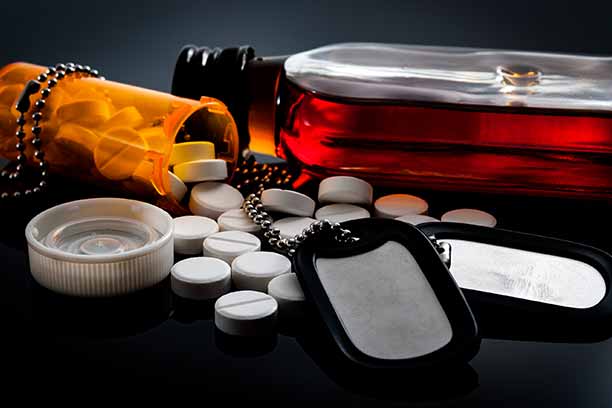
Post-Traumatic Stress Disorder, also known as PTSD
Post-Traumatic Stress Disorder (PTSD) can develop if a person experiences a shocking event, or series of events – war, combat, a terrorist attack, a serious accident, a natural disaster or a rape or violent assault.
...
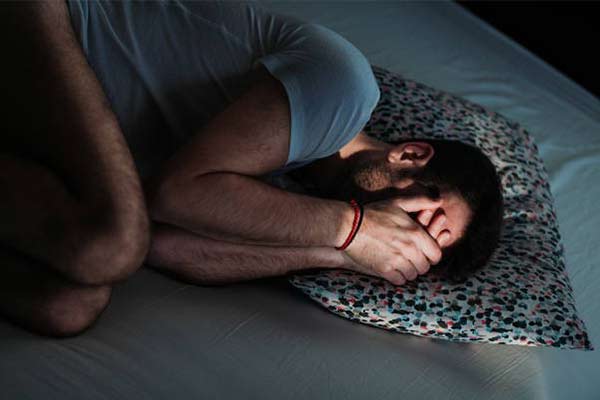
Alcoholism is a disease and it can affect anyone
I come from an incredibly dysfunctional family, where alcohol use was prevalent, and I had access to it from a young age. I was given little, to zero, affection from my mother, and my parents were constantly screaming.
...

Cannabis, marijuana, weed, skunk, pot, puff - whatever name you use
Cannabis, marijuana, weed, skunk, pot, puff - whatever name you use - cannabis is the most used psychoactive substance in the world. It is estimated that 20 million people use cannabis for non-medical purposes, every year.
...

