
Eating Disorders in Men, anorexia, bulimia & binge Eating
- Addiction rehab treatment centre in Spain
Eating disorders have in the past been a problem associated with young women and teenage girls. In fact, 3% of men will suffer some form of eating disorder in their lifetime and between 25 - 40% of people suffering from eating disorders are male.
The figures may even be much greater than this as the perceived stigma for men around what is thought of as a female disease, leads many male sufferers to go undiagnosed and untreated.
Christopher Ecclestone (the actor that played Dr Who) recently raised awareness of his struggle with the disease in his new book, I Love the Bones of You. He says “"Many times I've wanted to reveal that I'm a lifelong anorexic and dysmorphic.
I never have. I always thought of it as a filthy secret, because I'm Northern, because I'm male and because I'm working-class.
" The growth of social media sites such as Facebook, Instagram & Snapchat plus the increasing popularity of reality TV shows such as Love Island, has meant there is an intense focus on men (and woman) to have the perfect body and to conform to an ideal of a certain body image. This causes some people to take extreme measures with dangerous dieting, excessive exercise and even steroid abuse.

Although eating disorders circle around food the root of the problem is psychological and often related to underlying emotional issues. It often lays in a person’s feelings of low self-worth and not being good enough.
Most commonly presented eating disorders are Anorexia, Bulimia & Binge Eating. Anorexia nervosa, frequently known as anorexia, is an eating disorder associated with extreme thinness caused by starving oneself. Other common signs include skipping meals, refusing to eat out or with others, excessive exercise regimes plus constant obsessive criticism of own body size & weight gain.
Bulimia Nervosa, commonly referred to as Bulimia is described as a chronic cycle of binging on excessive amounts of food and then using extreme, and often dangerous, measures (such as induced vomiting, diuretics, laxatives and/or enemas) to purge the body of the excessive calories consumed.
Binge-eating disorder (or BED) is typified by regularly and compulsively eating large amounts of food, often rapidly and to the point of being uncomfortably full. Eating at times when not hungry. There are a lot of feelings of shame, guilt and embarrassment about this excessive binging and these binges often take place secretly.
Men are also more likely to suffer muscle dysmorphia (feelings that they are too skinny and obsessively wanting to be more muscular) and this often goes untreated because it is overlooked as a healthy interest in being in good shape. Often the male has an unhealthy view of himself and possibly an eating disorder.
Even though you may realise that what you are doing is harmful to your body’s health and mental well-being, you can’t seem to stop yourself. It’s as if you have no control over your eating habits.
If you think that you or someone you love might have a problem with drug or alcohol addiction, compulsive behaviour or emotional disorders, reach out and speak to our specialist addiction rehab treatment team on our confidential helpline +34 691 881 422. Immediate admission available.
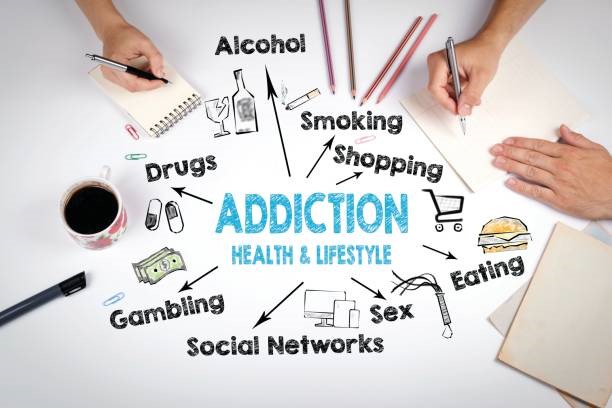
Lockdown sees a rise in the use of alcohol, drugs, & gambling
During lockdown restrictions were placed on the sale of alcohol in many countries. Some, including South Africa and Greenland, went so far as to temporarily ban the sale of alcohol altogether. Yet addiction has sharply risen nonetheless.
...

Cannabis, marijuana, weed, skunk, pot, puff - whatever name you use
Cannabis, marijuana, weed, skunk, pot, puff - whatever name you use - cannabis is the most used psychoactive substance in the world. It is estimated that 20 million people use cannabis for non-medical purposes, every year.
...

How Alcoholics Anonymous Builds Character Beyond Sobriety
Many people believe Alcoholics Anonymous is simply about stopping drinking. In reality, sobriety is only the beginning. The Twelve Steps offer an opportunity to build character, find purpose and create a life that no longer needs to be escaped from i...

Phoenix Executive Programmes: a client’s story
Accepting I needed help with my drinking was not difficult; my relationships had grown increasingly strained, my performance at work was suffering and a recent company medical had shown the early signs of alcohol damage.
...

The Connection between Anxiety, Depression and Addiction
Mental illness can feel unbearable - constant fear, no pleasure, no self-esteem and no hope. What happens when drugs or alcohol are added to the picture? For one, the suicide risk for depression more than doubles.
...

Nicotine addiction compares to alcohol, heroin, and cocaine
We all know smoking is harmful. It’s written on cigarette packets, taught in schools, and echoed by every doctor. But how addictive is smoking, really? When compared to heavy hitters like alcohol, heroin, and cocaine and nicotine.
...
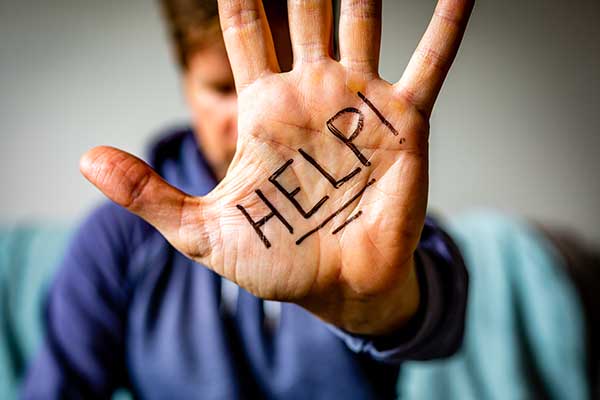
Is It My Fault? Addiction is a Disease, and No-one is to Blame
Addiction is not your fault. Whether it is to a substance such as alcohol or drugs, or a behaviour such as gambling, online gaming, or sex; addiction is a disease that can drive a person to cheat, steal and manipulate to achieve their “fix.”
...

Sober New Year’s Resolutions: How to Make or Break Them
Do you want to give up that nasty habit or addiction that you just can’t stop? New Year’s Resolutions have a reputation for never sticking, but with a different approach you can make them successful goals instead.
...

