
How to Spot the Warning Signs of Depression and Anxiety
- Rehab treatment centre, Europe
Even before the global pandemic, mental health awareness has been a hot topic of conversation in workplaces, schools, doctors, and hospitals for some time.
Finally, people are waking up to the fact that safeguarding people’s psychological and emotional health, is just as important as protecting their physical bodies.
The enforced isolation that was necessary to curb the spread of coronavirus, the stress and fear caused by months of lockdown and the panic over a potentially deadly virus has caused the numbers of those struggling with mental health conditions to rocket.
Here are some of the signs and indicators of depression and anxiety, probably the two most widely known mental health labels. These can and do affect people of both sexes, all ages and social backgrounds, and the symptoms range from mild to severe.
Depression
An estimated 264 million people suffer with depression, this includes diagnoses such as manic-depressive disorder, seasonal affective disorder, post-partum depression and bipolar disorder as well others.
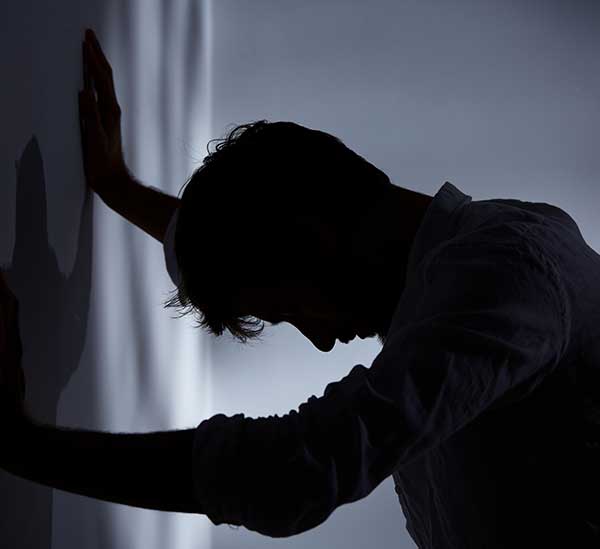
Depression is characterised as feelings of extreme sadness, worthlessness, or hopelessness. It causes individuals to lose interest in activities they once enjoyed and to struggle to participate in life in general. Depression can happen to anyone, at any time and a bout can last for days, weeks, or months. It has a huge impact on both a person’s physical and emotional wellbeing, which leads to difficulties in relationships, and an ability to work.
Some common symptoms of depression
Some common symptoms of depression
Constantly sad, anxious, or empty
Feeling hopeless or pessimistic
Sense of guilt and worthlessness
Difficulty with concentration
Loss of interest in activities
Anger or irritability
Low energy & constant tiredness
Problems with sleep
Unidentifiable health issues
Suicidal thoughts, attempts
Anxiety Disorders
Generalised anxiety disorder (GAD), social anxiety disorder, post-traumatic stress disorder (PTSD), obsessive-compulsive disorder (OCD) and stress, all come under the heading anxiety disorders, which are thought to affect around 275 million people worldwide.
Anxiety is sometimes defined as being debilitatingly worried or agitated. Some sufferers have sudden and intense peaks of fear or terror which lead to panic attacks. Others have an overall feeling of nervousness and persistent feelings of worry. Repeatedly occurring symptoms cause sufferers to withdraw from “normal” life to be able to manage their emotions, this has a devastating effect on relationships, work, and study.
Some common symptoms of anxiety disorders
Feelings of dread and panic
Panic attacks
Tiring easily or fatigue
Unsatisfying or poor sleep
Memory or concentration issues
Being on edge, restless or irritable
Struggling with fear and worry
Muscle tension and teeth grinding
Increased sweating
Heart palpitations
Studies have found that approx. 50% of people who suffer with one condition will also struggle with the other. It is also common for people to present with other co-occurring mental health issues, such as addiction and compulsive disorders.
If you recognise some of these symptoms in yourself or someone you love, then it is best to seek professional advice. Go to your GP and find out what help there is available in your area. You do not need to suffer alone.
If you recognise some of these symptoms in yourself or someone you love, then it is best to seek professional advice. Go to your GP and find out what help there is available in your area. You do not need to suffer alone.
If you think that you or someone you love might have a problem with drug or alcohol addiction, compulsive behaviour or emotional disorders, reach out and speak to our specialist addiction rehab treatment team on our confidential helpline +34 691 881 422. Immediate admission available.

Focusing on Yoga and meditation at our rehab in Spain
Dr Alejandra Hallin is a highly qualified psychiatrist with many years’ experience in the treatment of alcoholism, addiction, trauma, depression, and substance abuse. She has published several papers in U.S. scientific journals.
...

Alcohol Misuse - Why Are Problem Drinkers On The Rise?
Not everyone that drinks heavily becomes an alcoholic, and there is no single reason why someone does. It is usually a combination of diverse factors including genetics, circumstances, childhood experiences and events.
...
Growth in Virtue: From Survival to Transformation in Sobriety
When I first arrived in Alcoholics Anonymous, my goal was urgent and uncomplicated: stop drinking. I was not searching for virtue or self-improvement. I wanted relief. Alcohol had narrowed my world to fear, obsession, and self-preservation.
...

How Disability can Fuel Addiction - and how to Get Help
Disabilities can increase the risk of addiction due to issues like difficulty finding employment, financial problems, social isolation, physical or verbal abuse, and enabling by caregivers who tolerate or even encourage it.
...
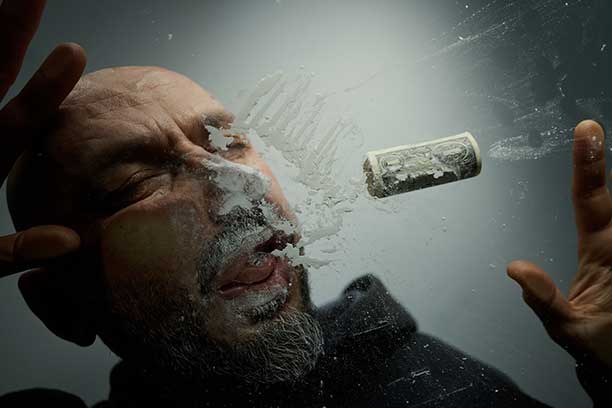
Why Are Cocaine Related Deaths More Common Than Ever?
Deaths due to cocaine abuse have been steadily rising for a decade, increasing by 7 times in ten years. Few people realise how seriously this addictive and potentially lethal drug can damage the heart and brain.
...

How We Dealt With Lockdown - Online Therapy Courses
With most of Europe experiencing a second wave of the Covid-19 virus and the appearance of new mutated strains, what are people doing if they need help for issues with alcohol and drug addiction during lockdown?
...
Alcoholism and the Collapse of Rational Control
Alcoholism is notorious because it does not merely cause a person to drink too much. It progressively dismantles the drinker’s ability to think clearly, choose wisely, and act rationally. What may begin as relief, confidence, pleasure, or escape can ...

Lockdown life, did your drinking get out of control?
Lockdown was a stressful, anxious, lonely, and sometimes even downright dull, time for many. On top of the isolation many needed to assume the extra or sole responsibility for tasks such as home schooling or housekeeping.
...

