
Addiction is already a widespread mental health crisis
- Addiction rehab treatment centre in Spain
There is a crisis, a pandemic, sweeping across the globe; and we are not talking about Covid-19. We are referring to addiction - the existing, and ever increasing, mental health crisis.
A growing issue which has been exacerbated in the last year by the worldwide “lockdowns” and “stay at home orders,” the isolation and loneliness these have caused, and the impact this has had on those already suffering with conditions such as alcoholism, addiction, anxiety, and depression.
Alcohol is responsible for 5.3% of deaths globally, that is 3 million per year and it is reported that over 100 million people worldwide suffer with an alcohol misuse disorder, also called alcoholism.
The World Health Organisation reported 270 million people used a psychoactive drug in 2019 (classified as one that affects brain function in areas such as awareness, perception, reasoning, mood, and emotion). Europe and North America are amongst the nations with the highest recorded usage for psychoactive substances (alcohol and drugs - illicit and prescription).
Every individual country has its own policy, laws, and approach for how to deal with what is a global issue.
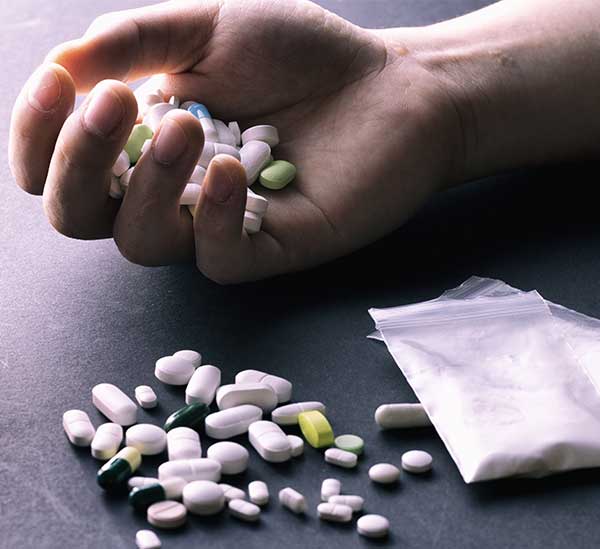
The European Union, United Kingdom and America have all declared a war on drugs, recognising that the misuse of opioids is at crisis levels; with campaigners repeatedly calling for more funding to go into drug treatment and prevention, and for the pharmaceutical industry to accept some responsibility and to play a role in the clean-up operation.
Sweden has come under scrutiny and some criticism for its policies against alcohol and drug use (much like the criticism to its approach to Covid-19). But is their approach working?
If you look at Swedish history, alcohol has gone from at one point being mass produced by the populace – which led to a nationwide issue with heavy and problem drinking - for it then to come under state control in a bid to reduce this. Today any drinks with over 3.5% alcohol content can only be purchased from the state-owned liquor stores “Systembolaget” and Swedish alcohol prices are amongst some of the highest in Europe.
Despite this Sweden is seeing alcohol, once again, become an issue; binge drinking is commonplace at weekends; 1 in 10 Swede’s are drinking more than the recommended amount; and approximately 4.5% of the population suffers with alcohol misuse disorder, also known as alcoholism.
There is a zero-tolerance policy on drugs in Sweden with any supply or possession of drugs being a criminal offence – the aim, to create a drug free society. This has, in the past, meant numbers of problem drug users is much lower than in many European countries.
However, the last decade has seen a rise in drug use, particularly opioids. Going hand in hand with this - the cases of Hepatitis C in intravenous drug users has increased, critics of government policies say this is, in part, down to the lack of needle exchange facilities. And shockingly the number of drug related deaths in Sweden has increased so dramatically that they now have the second highest mortality rate per capita in Europe.
At our treatment centre in Spain, we are seeing an increase in a demand for treatment from people all over Europe – particularly those in northern Europe and the Scandinavian countries such as Sweden, Denmark, and Finland.
Could it be that our rehab centre, situated in the beautiful Andalusian countryside, offers a much more temperate climate, with an average of 320 days of sunshine a year and 9-10 hours of daylight even during the long winter months?
All our programmes are customised to fit an individual’s specific needs and requirements, offer immediate admission, come with the benefit of our highly experienced and professional team of doctors and therapists, and are based around our proven Phoenix 12 Step therapy model.
If you think that you or someone you love might have a problem with drug or alcohol addiction, compulsive behaviour or emotional disorders, reach out and speak to our specialist addiction rehab treatment team on our confidential helpline +34 691 881 422. Immediate admission available.

When Alcohol Stops Working: From Relief to Dependence
For many people with alcohol dependence, the real turning point is not when drinking stops intoxicating them, but when it stops delivering what it once promised. This is the moment alcohol shifts from pleasure to necessity.
...

Why Alcoholics Anonymous Works: Altruism and Recovery
Alcoholics Anonymous has helped millions of people achieve and maintain sobriety. Its effectiveness is often attributed to fellowship or spirituality, but the deeper reason lies elsewhere because it addresses.
...
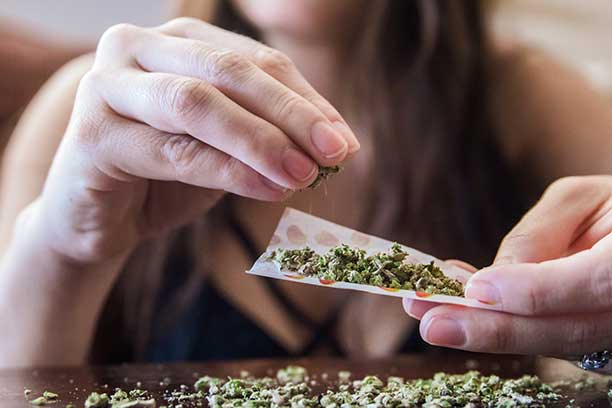
Is Cannabis Dangerous Enough To Be A Class A Drug?
Police Commissioner David Sidwick claims that cannabis is as harmful as many class A drugs, and should be upgraded from its current class B status to send a clear message about the dangers of this powerful drug.
...

The Risk of Addiction in Farm Workers: A Hidden Crisis
Farm workers around the world are at higher risk of mental illness and drug addiction, including cocaine, opioids and amphetamines. Meanwhile, farmers’ protests and blockades across Europe are highlighting the pressures they face.
...

Are You Unwittingly Enabling Your Loved One To Stay Addicted?
Are you desperately trying to help a loved one with an addiction, and wondering why they never change? It’s natural to want to intervene and assist them, but you could unwittingly be helping them to stay addicted.
...
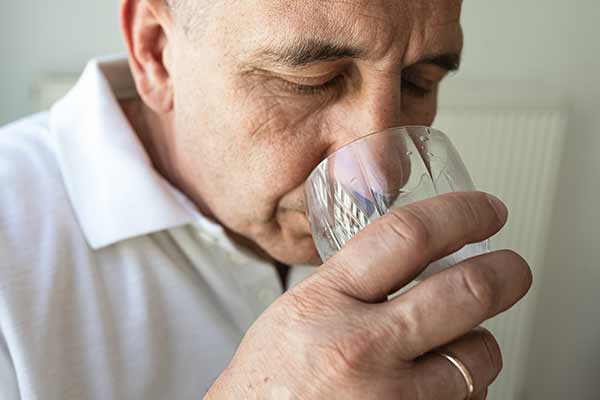
Growth in Virtue: From Survival to Transformation in Sobriety
When I first arrived in Alcoholics Anonymous, my goal was urgent and uncomplicated: stop drinking. I was not searching for virtue or self-improvement. I wanted relief. Alcohol had narrowed my world to fear, obsession, and self-preservation.
...
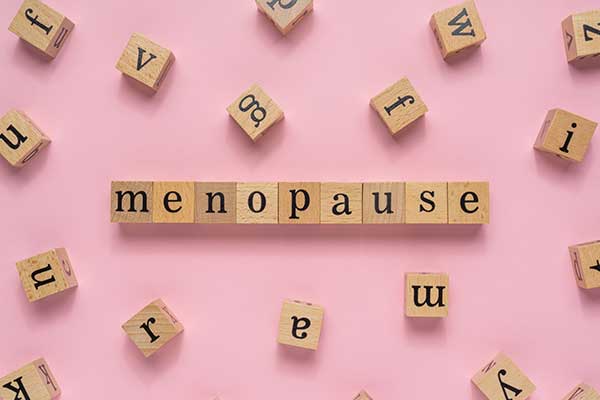
What Are The Effects Of The Menopause On Your Drinking?
Are you having problems with addiction around your menopause? Are you drinking more than before? Have your prescription pills and sleeping pills become a crutch? You’re not alone - it's a common phenomenon.
...
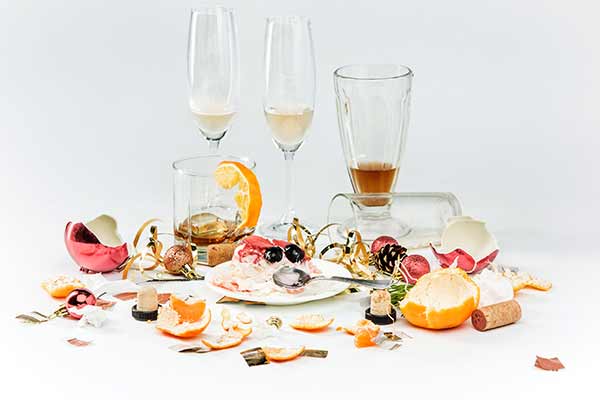
How to determine you may have a problem with alcohol or drugs
The holiday season is over, but what if you have been left with more than just a hangover. Christmas, and the holiday season in general, is a difficult time for many people, especially those struggling with a drug or alcohol problem.
...

