
13th March, 2026
Review by: Chris Spencer, Addiction Specialist
When Alcohol Stops Working: From Relief to Dependence
- Alcohol and Behavioural Addiction Treatment Centre
When Alcohol Stopped Working - The Early Promise
When I first discovered alcohol, I believed I had found the missing piece in my personality. With a drink in my hand, I felt more confident, more articulate, and more socially at ease. Alcohol seemed to give me a voice. It quietened my self-consciousness and dissolved the awkwardness I carried into rooms and conversations. I genuinely believed that the best version of myself emerged after I drank.
In those early years, alcohol felt like a gift. It lifted my mood, loosened my tongue, and gave me a confidence, particularly with women, that I did not possess sober. The world felt warmer, more welcoming, and more accessible. I did not drink to escape life. I drank to participate in it. That is what made alcohol so seductive. I loved what it did for me, and for a time, I believed I controlled it.
In those early years, alcohol felt like a gift. It lifted my mood, loosened my tongue, and gave me a confidence, particularly with women, that I did not possess sober. The world felt warmer, more welcoming, and more accessible. I did not drink to escape life. I drank to participate in it. That is what made alcohol so seductive. I loved what it did for me, and for a time, I believed I controlled it.
What People Mean When They Say “Alcohol Stopped Working”
In AA meetings, I often heard people say that their turning point came when alcohol stopped working in the way they had once trusted it to.

At first, I found that phrase confusing. Alcohol had not lost its intoxicating effect. It still dulled anxiety. It still altered mood. It still did what it had always done physically.
So what had stopped working?
Over time, I came to understand that what stopped working was not intoxication itself, but alcohol’s promise. The excitement became shorter-lived. The relief became less complete. The price I paid became heavier. Drinking sessions ended badly more often than not. Alcohol no longer gave without taking more from me in return.
Something fundamental had shifted. Alcohol had gained power over me. My life was becoming more unmanageable.
From Enhancement to Necessity
In the beginning, alcohol added something to my life. Later, it became something I needed just to feel normal.
What once lifted me now merely steadied me. My sense of ease faded faster. The good moments became fewer and narrower. I was no longer drinking for pleasure; I was drinking for effect. Alcohol no longer made me feel better. It only made me feel less bad.
And when that effect wore off, as it always did, I felt worse than before. Hangovers deepened. Anxiety rose. Recovery took longer. Regret became routine. That is the point at which alcohol truly stopped working.

My Own Turning Point
For me, this shift came in the second half of my life. Whether it was age, accumulated stress, or a body no longer able to absorb the damage in the same way, I cannot say for certain. What I do know is this: alcohol began to dominate my thinking.
The line in the sand I crossed was solitary drinking. Drinking by myself marked a clear change. What began as drinking alone in a bar gradually turned into garage drinking, hiding away, and separating myself from others.
As things spiralled, I began planning my days around alcohol. I anticipated it, relied upon it, and then suffered through its consequences. I was no longer chasing joy. I was chasing equilibrium.
Alcohol no longer enhanced my personality. It directed it. The substance I once believed made me more alive was now narrowing my world, tightening its grip, and demanding obedience.
What the Brain and Body Learn
There is a medical explanation for this downward progression. Alcohol affects the brain’s reward system by increasing dopamine, the neurotransmitter linked to pleasure, motivation, and reward. In the early stages, this feels powerful. Confidence rises. Anxiety softens. Social barriers appear to disappear. The brain begins to interpret alcohol as something beneficial.
But the brain is adaptive. With repeated exposure, it begins to compensate. Over time, it reduces its own natural balance and becomes less responsive. Baseline mood drops. Anxiety rises. Emotional stability weakens.
At that point, alcohol is no longer experienced as a bonus. It begins to feel necessary just to feel normal.
This is why alcohol eventually stops working in the way it once did. The drink that once seemed to bring confidence, relief, and pleasure now only relieves the discomfort created by drinking itself, or by the anticipation of drinking. The solution has become the problem.
WHEN ALCOHOL STOPS HELPING AND STARTS HARMING
Request a confidential call to discuss private alcohol treatment in Marbella.
Drinking for Effect, Not for Pleasure
There is an invisible line that every alcoholic crosses.
We no longer choose alcohol because it is enjoyable. We choose it because going without its effect feels uncomfortable, agitating, or unbearable. Alcohol stops being a social lubricant and becomes a regulator of mood. It stops being optional and starts to feel essential.
Its early promise of connection gives way to isolation. What once helped us feel included now drives secrecy, withdrawal, and shame. The tyranny is often quiet, but it is powerful.
This is one of the clearest signs that alcohol dependence has taken hold: the person is no longer drinking to enhance life, but to manage the discomfort of living without alcohol.
The Shared Experience
Every alcoholic’s story is unique, but this moment of transition is deeply familiar. Many of us loved alcohol because of how it changed us in the beginning. We trusted it because it seemed to help us function, relate, and feel alive. By the time its darker side revealed itself fully, however, that trust had already become dependence.
Alcohol did not stop working for me because intoxication failed. It stopped working because the relief became too brief, the cost too high, and the dependency too exhausting and all-consuming.
That realisation is painful. For me, it marked the beginning of a progressive descent into despair, a place where I stayed far too long. But it was also the truth. And without that truth, nothing could change.
When Alcohol Stops Working, Something Has to Change
By that stage, I had lost power over my drinking and my life had become unmanageable. Alcohol no longer felt like a choice. It felt like a command. What once seemed to give me confidence, ease, and relief had reduced me to dependency, secrecy, and emotional exhaustion.
That is what people often mean when they say alcohol stopped working. They do not mean it stopped intoxicating them. They mean it stopped delivering what it once promised and started taking far more than it gave.
Facing that truth can be frightening. But for many people, it is also the beginning of recovery.
If you think that you or someone you love might have a problem with drug or alcohol addiction, compulsive behaviour or emotional disorders, reach out and speak to our specialist addiction rehab treatment team on our confidential helpline +34 691 881 422. Immediate admission available.
What can I do if I can’t afford Residential Rehab?
My problem drinking had been affecting my life for many years. I had tried rehab previously and it worked for a short while. Then I secretly started using drugs instead. I was hiding it from all my friends and family.
...

Choosing the Right Luxury Rehab Treatment Centre
For those seeking a luxury rehab treatment centre for themselves or a loved one, this is the first step in choosing an investment in your future life without the use of drugs and alcohol. Selecting the right treatment centre.
...

From Long-Term Addiction to Lasting Recovery
Addiction does not always arrive as a sudden, visible crisis. Sometimes it develops quietly and remains hidden for years. A person may continue working, maintain relationships and appear to be managing everyday life. Financial security, a supportive ...

Exclusive Addiction Treatment: Switzerland or Spain?
Switzerland has an international reputation for private rehabilitation, medical expertise and discreet residential care. Spain also offers an attractive environment for recovery, with a mild climate, privacy and outdoor wellbeing.
...

How Can I Control my Drinking at Christmas Parties?
Are you worried about drinking too much at the office party or overdoing the celebrations with your friends? Find out how to enjoy yourself without getting drunk over Christmas, and how to spot when your drinking is out of control.
...
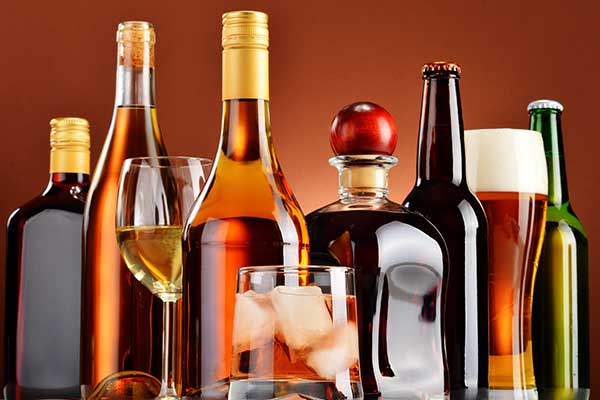
Alcohol Misuse - Why Are Problem Drinkers On The Rise?
Not everyone that drinks heavily becomes an alcoholic, and there is no single reason why someone does. It is usually a combination of diverse factors including genetics, circumstances, childhood experiences and events.
...

How Long Should I Stay in an Addiction Rehab Centre?
With rehab programmes anywhere from a single week to many months, how can you decide how long you need to stay? Studies consistently show that the longer your treatment lasts, the more successful it will be.
...
How Can I Control my Drinking at Christmas Parties?
Are you worried about drinking too much at the office party or overdoing the celebrations with your friends? Find out how to enjoy yourself without getting drunk over Christmas, and how to spot when your drinking is out of control.
...

