
12th August, 2026
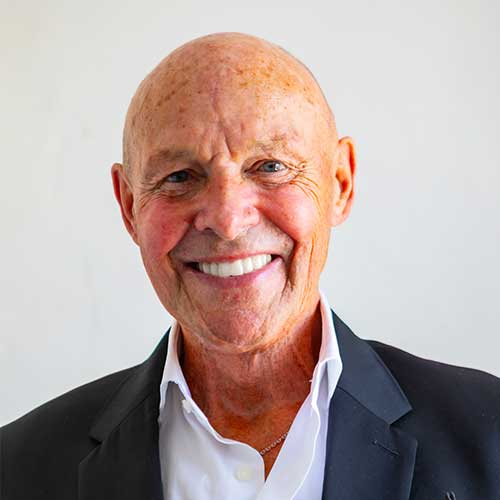
Review by: Chris Spencer, Addiction Specialist
From Long-Term Addiction to Lasting Recovery: The Phoenix Approach
- Behavioural Addiction Treatment Centre
Addiction does not always arrive as a sudden, visible crisis. Sometimes it develops quietly and remains hidden for years.
A person may continue working, maintain relationships and appear to be managing everyday life. Financial security, a supportive family or a protected lifestyle may conceal the consequences. These resources can provide stability, but they may also allow substance dependence to continue for years without an obvious crisis forcing the person to confront it.
Behind closed doors, life can become increasingly narrow and repetitive.
The person wakes up, uses a substance to feel normal, maintains the supply needed for the day and tries to prevent withdrawal. Tomorrow, the same cycle begins again. It can feel like living through Groundhog Day, every day shaped by the same routine and the same fear of what will happen if the substance is taken away.
What is long-term addiction?
Long-term addiction is not defined only by how many years someone has used a substance. It is also about the position that substance has come to occupy in the person’s life.

Dependence may involve heroin and other opioids, including prescription painkillers and methadone. It can also involve benzodiazepines such as diazepam, alprazolam and lorazepam, sleeping medications known as Z-drugs, gabapentinoids, stimulants such as cocaine and amphetamines, alcohol, or a combination of substances.
Over time, tolerance may develop. A person needs more of the substance, or needs it more frequently, to achieve the same effect or simply to avoid feeling unwell. What once felt like a choice can gradually become a physical and psychological necessity.
Eventually, many people arrive at the same painful realisation: “I cannot continue living this way, but I cannot stop on my own.” That moment can be frightening, but it can also be the beginning of change.
From heroin dependence to long-term recovery
One former Phoenix client came from a financially secure family in Ireland. We have omitted identifying details to protect his privacy. He began using heroin when he was approximately 16 or 17. Over the years, he made several attempts to stop using opioids and attended a number of treatment clinics. Eventually, he entered a methadone maintenance programme.
Methadone is an evidence-based treatment that can reduce the harms associated with heroin use, provide stability and help people rebuild their lives. For this man, it achieved many of those objectives. He stopped using heroin, became stable and assumed significant responsibilities within his family. He became a parent and, from the outside, appeared to have put his life back on track.
However, he remained dependent on methadone for approximately 20 years. Although his life had changed considerably, he personally felt that he was still living within a cycle of dependence. His days continued to be organised around medication, and he wanted to discover whether complete abstinence was a safe and realistic goal for him.
At around 40, he contacted Phoenix and asked for an assessment. Following a detailed evaluation, we recommended a structured programme incorporating primary care, secondary care and long-term continuing support. Because of the duration of his dependence, this process could not be rushed. It required careful planning, clinical oversight and close attention to his physical, psychological and emotional wellbeing.
He completed the programme and remains abstinent several years later. Phoenix continues to maintain contact with him, and his life today is very different from the repetitive cycle in which he once felt trapped.
His experience does not provide a universal timetable or guarantee an identical outcome for everyone. It does demonstrate something important, after decades of dependence and previous unsuccessful treatment attempts, meaningful change can still be possible when care is individualised, structured and maintained over time.
Why long-term addiction needs an individual treatment plan
When substance use has continued for many years, recovery cannot be reduced to a few uncomfortable days of detoxification. Stopping certain substances suddenly, particularly benzodiazepines or alcohol, can be dangerous. Withdrawal from opioids, prescribed medications or combinations of substances also requires careful assessment.
For some people, stabilisation and withdrawal may take weeks. For others, a medically supervised reduction can take several months or longer. The appropriate timetable depends on the substance, dosage, duration of use, physical and mental health, previous withdrawal experiences and the support available. There is no single detoxification schedule that is right for everyone.
For some people, stabilisation and withdrawal may take weeks. For others, a medically supervised reduction can take several months or longer. The appropriate timetable depends on the substance, dosage, duration of use, physical and mental health, previous withdrawal experiences and the support available. There is no single detoxification schedule that is right for everyone.
Primary care and medically supported withdrawal
The first stage of the Phoenix programme is primary care. Our multidisciplinary team assesses the nature and extent of the dependence before developing an appropriate treatment plan. Where withdrawal or medication reduction is required, it is carefully managed and monitored. The pace is determined by the person’s clinical needs rather than an artificial deadline.
We consider the whole person, including physical health, psychological wellbeing, relationships, environment, personal history, lifestyle and emotional or spiritual needs. The objective is not simply to remove a substance. It is to create a safe foundation for lasting personal change.
We consider the whole person, including physical health, psychological wellbeing, relationships, environment, personal history, lifestyle and emotional or spiritual needs. The objective is not simply to remove a substance. It is to create a safe foundation for lasting personal change.
BREAK DEPENDENCE. BUILD RECOVERY.
Speak to us today for a confidential, no-obligation conversation
Secondary care and the addiction iceberg
Detoxification addresses the visible part of addiction, but it may not address everything underneath it. Addiction can be compared to an iceberg. Substance use is the ten per cent visible above the water. Beneath it may be the remaining ninety per cent, trauma, grief, shame, fear, low self-worth, family dynamics, unhealthy relationships, isolation, depression or a loss of meaning and direction.
If treatment focuses only on the visible ten per cent, the deeper reasons for using may remain untouched. Secondary care gives the individual time to understand personal patterns, recognise triggers, strengthen emotional resilience and practise healthier ways of responding to life.
Phoenix has developed its programme through more than 20 years of working with people affected by addiction. That experience has taught us that recovery is not simply about returning to the person you were before addiction. It is about building a life with greater stability, honesty, purpose and freedom.
Why continuing care after treatment matters
Many people do well within the structure of residential treatment but struggle after returning home. This does not necessarily mean that treatment failed or that the person lacked commitment. It may mean that the transition into everyday life did not include sufficient ongoing support.
This is why continuing care is central to long-term recovery. Our methodology has been refined through more than 20 years of experience, and we have repeatedly seen the difference that sustained support can make.
The key to long-term recovery is long-term support. Addiction often thrives in isolation, but recovery grows through connection. Put simply, the opposite of addiction is connection.
At Phoenix, support does not have to end when primary and secondary care are completed. Depending on the person’s needs, we can remain connected through telephone calls, online meetings, return visits and structured three-month, six-month and annual reviews.
The level of support can gradually change as confidence and independence grow. What matters is that the person remains connected and knows that help is available when it is needed. Recovery is not something people should have to maintain alone.
If you think that you or someone you love might have a problem with drug or alcohol addiction, compulsive behaviour or emotional disorders, reach out and speak to our specialist addiction rehab treatment team on our confidential helpline +34 691 881 422. Immediate admission available.

Cannabis, marijuana, weed, skunk, pot, puff - whatever name you use
Cannabis, marijuana, weed, skunk, pot, puff - whatever name you use - cannabis is the most used psychoactive substance in the world. It is estimated that 20 million people use cannabis for non-medical purposes, every year.
...

When Everyday Behaviours Take Control: Specialised Treatment
Behavioural problems can affect relationships, finances, work, confidence and emotional wellbeing. Gambling, pornography, compulsive spending, gaming and excessive social media use can all become difficult to control. Our treatment is individually de...

New Wave of Synthetic Drugs Kills 45 People in One Year
“Police warning over 'punisher' ecstasy tablets following teenager's death on Isle of Wight” “Teenagers killed after taking MDMA ecstasy drugs in Devon and Cornwall”. But what are “Designer drugs”?
...

Why Are LGBT+ People Twice As Likely To Suffer Addiction?
People who are LGBT+ (lesbian, gay, bisexual, transgender and other sexual and gender minorities) are 2-3 times more likely to develop an addiction than other people. Thanks to growing acceptance, nearly 10% of British under 25s.
...

Are You Taking Too Many Sleeping Pills? It's Easy To Become Addicted
Do you struggle to sleep without sleeping pills? Are you taking too many? Do you struggle with insomnia, restless and anxiety without them? Have you tried to stop and failed? It’s not a surprise - sleep medications.
...

When Does a Pornography Habit Start to Become a Problem?
That question sits quietly behind many people’s concerns, often long before they feel ready to say it out loud. Addiction is addiction is addiction. Whether the focus is a substance or a behaviour, addiction tends to follow a recognisable pattern.
...

AI Pornography: Increasing the Risks of Porn Addiction
Fake nudes of Taylor Swift that were created using artificial intelligence software flooded social media networks this month. With pornography already highly addictive, could artificial intelligence increase the dangers even more?
...

Rehab centre in Europe treating addiction & disorders
Addiction is the act of continually doing something to feel reward or pleasure, in some cases this will be taking alcohol or drugs; and in others it is participating in an activity such as gambling, video games or social media..
...

