

4th Sept, 2026
Review by: Chris Spencer, Addiction Specialist
When Everyday Behaviours Take Control: Specialised Treatment for Behavioural Problems
- Behavioural Addiction Treatment Centre
When a Behaviour Starts to Control Your Life
Addiction and compulsive behaviour do not always involve alcohol or drugs. People can also lose control around gambling, pornography, sexual behaviour, shopping, gaming, social media and other repeated behaviours.
In many cases, the behaviour begins innocently. It may provide excitement, pleasure, distraction or relief from stress. Over time, however, it can become more frequent and more important. The person may begin thinking about it constantly, hiding it from others or repeatedly promising themselves they are going to stop.
The important question is not simply:
“How often am I doing this?”
A more useful question is:
“Is this behaviour beginning to control the way I live?”
When the answer is yes, specialised professional treatment may help.

Behavioural Problems Are Highly Individual
Two people can engage in exactly the same behaviour for completely different reasons. One person may gamble for excitement. Another may gamble to escape anxiety or pressure.
One person may use pornography without difficulty, while another may repeatedly return to it despite serious problems in their relationship. This is why treatment should not be based on a one-size-fits-all approach.
At Phoenix Programmes, we look at the person, their circumstances, their history, the behaviour and the changes they want to achieve. The aim is not simply to stop a behaviour. It is to understand why it has become so important and what needs to change for the person to regain control.
Gambling and Loss of Control
Gambling can become destructive very quickly. For some people, it begins as occasional entertainment. Over time, the amount of money or time involved increases. A person may begin chasing losses, hiding bank statements, borrowing money or making increasingly risky decisions.
Eventually, gambling may no longer be enjoyable. It becomes an attempt to solve the financial and emotional problems that previous gambling has created. Specialised treatment looks at the thinking, emotions and patterns that drive the gambling rather than concentrating only on the financial consequences.
Eventually, gambling may no longer be enjoyable. It becomes an attempt to solve the financial and emotional problems that previous gambling has created. Specialised treatment looks at the thinking, emotions and patterns that drive the gambling rather than concentrating only on the financial consequences.
Pornography and Compulsive Sexual Behaviour
Pornography and sexual behaviour can also become increasingly difficult to control. The issue is not morality or judgement. The question is whether the behaviour is beginning to damage the person’s life.
Some people spend increasingly long periods online, hide their behaviour from a partner or repeatedly promise themselves they will stop. Relationships, intimacy, concentration and self-respect may all be affected. Treatment should provide a private and non-judgemental environment where the person can understand the behaviour, its triggers and the purpose it has come to serve.
Some people spend increasingly long periods online, hide their behaviour from a partner or repeatedly promise themselves they will stop. Relationships, intimacy, concentration and self-respect may all be affected. Treatment should provide a private and non-judgemental environment where the person can understand the behaviour, its triggers and the purpose it has come to serve.
Compulsive Shopping and Spending
Shopping can provide excitement or temporary emotional relief. For some people, that feeling becomes increasingly important. The person may spend money they cannot comfortably afford, hide purchases, accumulate debt or continuously look for the next thing to buy.
The purchase itself may produce a short feeling of satisfaction, followed by guilt, regret or anxiety. Then the urge returns. Specialised treatment can help identify what happens emotionally before the person begins shopping and what keeps the cycle going.
The purchase itself may produce a short feeling of satisfaction, followed by guilt, regret or anxiety. Then the urge returns. Specialised treatment can help identify what happens emotionally before the person begins shopping and what keeps the cycle going.
Gaming and Online Behaviour
Gaming can be a normal and enjoyable part of life. The concern begins when the online world gradually becomes more important than the world around the person. Work, education, relationships, exercise and sleep may begin to suffer.
Simply taking the game away may not address the real problem. The online environment may be providing achievement, identity, excitement, companionship or escape. An effective individual treatment programme should therefore look at what the gaming provides psychologically and how those needs can be met in healthier ways.
Simply taking the game away may not address the real problem. The online environment may be providing achievement, identity, excitement, companionship or escape. An effective individual treatment programme should therefore look at what the gaming provides psychologically and how those needs can be met in healthier ways.
Social Media and Compulsive Checking
Social media is part of modern life. The problem is not simply having an account or using a phone regularly. The concern begins when checking becomes automatic, compulsive or emotionally important.
A person may constantly monitor notifications, comments and reactions. Their mood may begin to depend on what is happening online. Concentration, productivity, sleep and relationships can gradually be affected. Again, the important issue is not the technology itself. It is the person’s relationship with the behaviour.
A person may constantly monitor notifications, comments and reactions. Their mood may begin to depend on what is happening online. Concentration, productivity, sleep and relationships can gradually be affected. Again, the important issue is not the technology itself. It is the person’s relationship with the behaviour.
Other Compulsive Behaviours
Almost any repeated behaviour can become unhealthy when it begins to dominate a person’s life. Work and exercise are normally positive, but even these activities can become excessive. Someone may work continuously because they feel unable to stop.
Another person may exercise despite injury or allow routines to interfere with family, relationships and everyday responsibilities. The behaviour may look productive from the outside while creating considerable difficulty privately. This is why specialised treatment must look beyond labels.
Another person may exercise despite injury or allow routines to interfere with family, relationships and everyday responsibilities. The behaviour may look productive from the outside while creating considerable difficulty privately. This is why specialised treatment must look beyond labels.
INDIVIDUAL HELP FOR COMPULSIVE BEHAVIOURS
Speak to us today for a confidential, no-obligation conversation
Specialised Treatment Should Fit the Individual
Different behaviours often share similar patterns.
The behaviour may provide:
The behaviour may provide:
Relief from stress
Escape from difficult emotions
Excitement
Reward
Comfort
Distraction
Relief from boredom or loneliness
For a short period, the person feels different. When that effect disappears, the original problems remain. The mind remembers the temporary relief and encourages the person to repeat the behaviour.
Over time, this can become an established cycle. This is why telling somebody simply to “stop” is often ineffective. Treatment needs to understand what happens before, during and after the behaviour.
Over time, this can become an established cycle. This is why telling somebody simply to “stop” is often ineffective. Treatment needs to understand what happens before, during and after the behaviour.
Specialised Treatment Should Fit the Individual
At Phoenix Programmes, we believe treatment should be designed around the individual rather than expecting the individual to fit into a standard programme. An assessment allows us to understand the behaviour, the person’s circumstances and any underlying emotional, psychological or lifestyle issues.
A tailored programme may include:
A tailored programme may include:
One-to-one specialist therapy
Psychological or psychiatric assessment where appropriate
Behavioural and emotional work
Identification of triggers and high-risk situations
Relapse prevention strategies
Lifestyle and wellbeing support
Family or relationship work where appropriate
Ongoing recovery planning
The exact programme depends on the individual. Some clients need intensive support. Others may require a focused programme designed around work, family or professional responsibilities. Privacy and confidentiality can also be particularly important for individuals whose public or professional position makes conventional treatment difficult.
Recovery Means Regaining Choice
The objective of treatment is not simply to remove a behaviour. It is to help the person reach a point where they can make decisions rather than repeatedly acting on an urge. Recovery means recognising patterns earlier, understanding the thinking that leads to the behaviour and developing different responses. Most importantly, it means restoring control.
When Is It Time to Ask for Help?
You do not have to wait until a behavioural problem has damaged your relationship, career, finances or self-respect. If you have repeatedly tried to change something and continue returning to the same behaviour, it may be worth asking why. A confidential assessment can be the first step.
At Phoenix Programmes, we provide specialised, individually tailored treatment for people seeking meaningful and lasting change. There is no standard solution. The starting point is understanding the individual. If a behaviour is beginning to control your life, it may be time to take back control. Phoenix Programmes – specialised individual treatment designed around you.
At Phoenix Programmes, we provide specialised, individually tailored treatment for people seeking meaningful and lasting change. There is no standard solution. The starting point is understanding the individual. If a behaviour is beginning to control your life, it may be time to take back control. Phoenix Programmes – specialised individual treatment designed around you.
If you think that you or someone you love might have a problem with drug or alcohol addiction, compulsive behaviour or emotional disorders, reach out and speak to our specialist addiction rehab treatment team on our confidential helpline +34 691 881 422. Immediate admission available.

Different Ways To Receive Your Addiction Rehab Treatment
There are various options when it comes to getting professional help for addiction and compulsive disorders, from residential rehab through to outpatient day care and with clinics all over Europe the choice is huge.
...

Freedom from Cocaine Addiction: Private Treatment in Marbella
Cocaine can begin as part of a social working life and slowly become something used alone, during the day, and eventually in the morning. This article looks at how that happens, the facts behind the risks, and the private support available at Phoenix...

The Challenges of Recovery for the Privileged and Wealthy
We explore the unique obstacles faced by affluent individuals in their journey to overcome addiction. Despite their abundant resources, the wealthy encounter several challenges that complicate their search for effective treatment.
...

We are excited to announce a new UK based addition to the team
We are excited to announce a new UK addition to the team - Richard Kingdon. He is a highly qualified addiction counsellor based in London, experienced in the treatment of alcoholism and substance abuse.
...
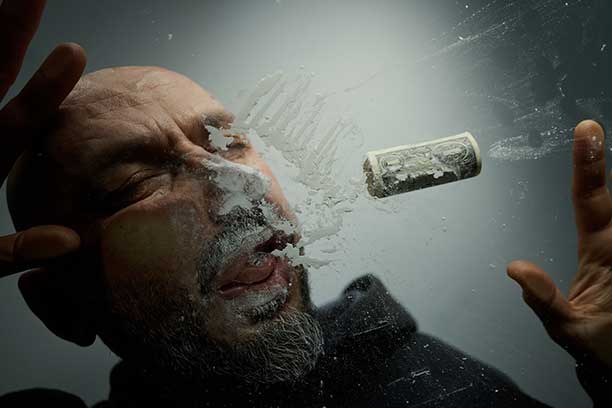
Why Are Cocaine Related Deaths More Common Than Ever?
Deaths due to cocaine abuse have been steadily rising for a decade, increasing by 7 times in ten years. Few people realise how seriously this addictive and potentially lethal drug can damage the heart and brain.
...

What are the Options for Online and Remote Treatment?
Even before the current Covid-19 coronavirus pandemic , (which has seen most of the planet in some form of confinement or lockdown), in recent years the rise in online therapy has been growing rapidly.
...

Alcohol & Drug Abuse Are Serious Public Health Issue
Understanding the causes of substance abuse requires a comprehensive look at a complex interplay of factors, including genetics, learned behaviour, environmental influences, and psychological conditions.
...

The Most Affordable Addiction Day Treatment Programme
Have you got financial or personal commitments that prevent you from going to a full-time residential rehab? Our non-residential Day Treatment Programme is an affordable and flexible way to access our treatment
...

