
26th August, 2026
Review by: Chris Spencer, Addiction Specialist
Addiction and Modern Life: When More Becomes Too Much
- Behavioural Addiction Treatment Centre
We live in a world our brains were never designed for. For most of human history, pleasure was limited by availability. Food had to be found. Gambling required a physical place. Shopping meant leaving the house.
Even boredom was unavoidable. Today, almost everything has changed. Pleasure, stimulation and escape can be available within seconds. That may be one of the great challenges of modern life.
Even boredom was unavoidable. Today, almost everything has changed. Pleasure, stimulation and escape can be available within seconds. That may be one of the great challenges of modern life.
When Everything Is Available
Abundance sounds like a good thing. In many ways, it is. But abundance has another side. Human beings now have almost unlimited access to experiences capable of changing how we feel.
That includes:
That includes:
Alcohol
Drugs
Gambling
Food

Pornography
Shopping
Gaming
Social media
The objects are different. The attraction can be remarkably similar.
They may offer:
They may offer:
Excitement
Relief
Escape
Comfort
Distraction
That is where abundance can become dangerous.
What I Have Seen Change
After many years working in the recovery field, it seems to me that a great deal has changed. Younger generations are growing up surrounded by influences that simply did not exist in the same way years ago. Social media, websites, advertising and promotional material are available almost constantly.
They can shape ideas about:
They can shape ideas about:
Success
Appearance
Relationships
Pleasure
Popularity
What a good life should look like
The pressure can feel relentless. What concerns me is not technology itself. It is the sheer volume of stimulation. There is always something else to watch, buy, eat, drink, follow or experience. For someone vulnerable to addiction, learning when enough is enough may be becoming more difficult, not less.
The Brain Likes Reward
Our brains evolved to notice rewarding experiences. If something provided food, safety, pleasure or relief, the brain had good reason to remember it. The problem is that this reward system developed in a world very different from the one we inhabit today. We now carry an ancient reward system into an environment designed to stimulate it continuously.
A drink can change our mood. A drug can alter consciousness. A gambling app can create anticipation. A phone can produce another notification. Pornography can provide instant stimulation. Food can arrive at the door. The brain says: That felt good. Do it again. Modern life replies: Here is more.
A drink can change our mood. A drug can alter consciousness. A gambling app can create anticipation. A phone can produce another notification. Pornography can provide instant stimulation. Food can arrive at the door. The brain says: That felt good. Do it again. Modern life replies: Here is more.
When Wanting Becomes Needing
Most people can enjoy pleasurable experiences without becoming addicted to them. But some people develop a very different relationship with reward. At first, the behaviour is chosen. Later, it can begin to feel as though the behaviour is doing the choosing.
A drink after work becomes several. An occasional bet becomes a daily preoccupation. Scrolling for ten minutes becomes hours. Weekend cocaine begins appearing during the week. Eating for pleasure becomes eating for emotional relief. Pornography moves from curiosity to secrecy and compulsion.
The pattern often contains:
Anticipation
Reward
Repetition
Tolerance
Craving
Loss of control
Remorse
Another attempt to stop
Then the cycle begins again. We continue doing something even after it has stopped giving us what we originally wanted from it.
The Search for Relief
Addiction is often described as excessive pleasure-seeking. That is only part of the story. For many people, addiction becomes increasingly about relief.
Relief from:
Relief from:
Anxiety
Loneliness
Boredom
Resentment
Fear
Uncomfortable thoughts
The substance or behaviour may initially seem to solve a problem. Then the solution starts creating problems of its own. The person drinks to reduce anxiety. Eventually drinking creates more anxiety. The person gambles for excitement. Eventually gambling creates fear and financial pressure. The person uses drugs to feel confident. Eventually confidence becomes harder to find without drugs. What began as relief can become dependence upon relief.
More Is Not the Same as Enough
Modern culture is built around the word more. More choice. More speed. More stimulation. More possessions. More followers. More experiences. We are constantly encouraged to believe the next thing may finally produce satisfaction. But appetite does not always recognise when it has received enough.
This matters in addiction. Tolerance can develop. The same behaviour produces less effect. So we increase it. More alcohol. More drugs. More gambling. More pornography. More food. More screen time. The person may be consuming more while enjoying it less. That is the trap. More no longer creates satisfaction. More creates the need for more. At that point, abundance stops feeling like freedom. It begins to feel like captivity.
This matters in addiction. Tolerance can develop. The same behaviour produces less effect. So we increase it. More alcohol. More drugs. More gambling. More pornography. More food. More screen time. The person may be consuming more while enjoying it less. That is the trap. More no longer creates satisfaction. More creates the need for more. At that point, abundance stops feeling like freedom. It begins to feel like captivity.
TAKE BACK CONTROL. FIND SPECIALIST HELP.
Speak to us today for a confidential, no-obligation conversation
Addiction Is Not Always Obvious
When people hear the word addiction, they often think of alcohol or drugs. But compulsive behaviour can appear in many forms. The important question is not simply: What are you doing? A better question may be: What is it doing to you? Is it beginning to dominate your thinking? Do you regularly do more than you intended?
Have you tried to stop or reduce it and found yourself returning? Are you hiding the extent of it? Is it affecting:
Have you tried to stop or reduce it and found yourself returning? Are you hiding the extent of it? Is it affecting:
Relationships
Work
Finances
Health
Sleep
Self-respect
Most importantly: Does it cost you more than money?
Freedom Is More Than Having a Choice
Modern society often describes freedom as the ability to have what we want. Addiction challenges that idea. If everything is available, but we cannot reliably say no, are we truly free? Freedom to consume is not the same as freedom from compulsion.
The ability to walk away matters. So does the ability to experience discomfort without immediately escaping from it. The ability to have an urge without obeying it. The ability to say: I have had enough.
The ability to walk away matters. So does the ability to experience discomfort without immediately escaping from it. The ability to have an urge without obeying it. The ability to say: I have had enough.
Recovery Changes the Direction
Recovery is not simply about removing a substance or stopping a behaviour. Real recovery often involves understanding what the addiction was doing for us. What were we trying not to feel? What were we trying to change? What were we trying to escape?
Recovery can begin to move life in a different direction:
Recovery can begin to move life in a different direction:
Impulse to reflection
Secrecy to honesty
Isolation to connection
Immediate relief to long-term wellbeing
Taking to giving
Consumption to contribution
This is why fellowship, therapy, self-examination, structure and service can matter so much. The individual is not simply learning how to stop. They are learning another way to live.
Learning to Live With Enough
Perhaps one of the great tasks of modern life is learning to live in a world of abundance without becoming controlled by it. We cannot eliminate alcohol, drugs, gambling, shopping, food, entertainment or technology. Recovery does not require the world to change before we can change ourselves. What can change is our relationship with appetite.
We can learn that:
We can learn that:
An urge is not an instruction
A thought is not a command
A feeling does not always require immediate relief
Having access to something does not mean we have to consume it
The world may continue offering more. Recovery teaches us that we do not always have to accept the offer. There comes a point when the most powerful word is not more. It is enough. Perhaps that is what freedom looks like in an age of abundance. Not having everything we want. But no longer being controlled by everything we want.
If you think that you or someone you love might have a problem with drug or alcohol addiction, compulsive behaviour or emotional disorders, reach out and speak to our specialist addiction rehab treatment team on our confidential helpline +34 691 881 422. Immediate admission available.

How We Dealt With Lockdown - Online Therapy Courses
With most of Europe experiencing a second wave of the Covid-19 virus and the appearance of new mutated strains, what are people doing if they need help for issues with alcohol and drug addiction during lockdown?
...

How to Spot the Warning Signs of Depression and Anxiety
Mental health awareness has been a hot topic of conversation in workplaces, schools, doctors, and hospitals for some time. People are waking up to the importance of safeguarding people’s psychological and emotional health.
...

Addiction and Modern Life: When More Becomes Too Much
We live in a world where pleasure, stimulation and escape are available within seconds. But what happens when our ancient reward system is constantly exposed to abundance, instant relief and the pressure to always want more than we truly need to feel...

Private Addiction Recovery Accommodation in Marbella
When someone first contacts us, they are often at a difficult point. They may be concerned about their own drinking, drug use or wellbeing, or worried about a partner, child, friend or colleague. Sometimes an enquiry comes from a family office or ano...

What’s behind rising drug deaths in England and Wales?
Drug-related deaths in England and Wales are at a record high, having risen steadily for 9 years. The Office of National Statistics reported 4,850 drug poisoning deaths registered in 2021, up 6.2% from the previous year.
...
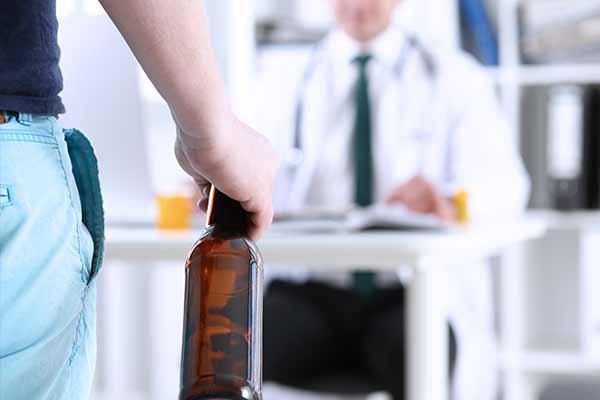
100 people hospitalised every hour due to alcohol
More than 100 people were hospitalised every hour because of alcohol during the first months of the pandemic. Do you find you are drinking when you don’t really want to, or if once you start drinking you can’t seem to stop?
...

The Nature of Happiness: Goal or Consequence?
Is happiness something we chase—or something we become? This article explores the powerful idea that joy isn’t a destination, but a result of living with meaning, purpose, and growth. Especially in recovery,
...
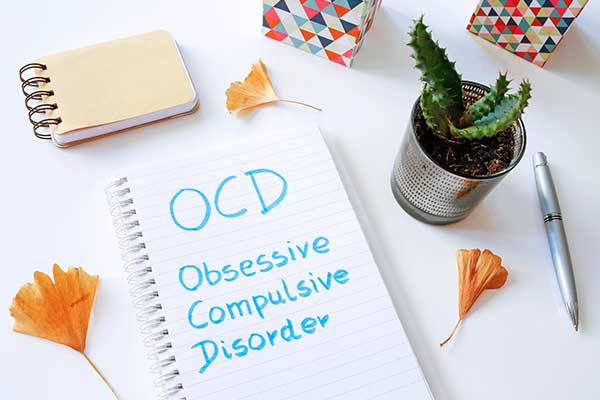
OCD – it is not just about being overly clean or tidy
Many people believe obsessive-compulsive disorder (OCD) is about being overly tidy or compulsively cleaning. This is true in some cases, but it is not just about cleanliness or neatness. OCD is a chronic anxiety disorder.
...

