
14th August, 2026
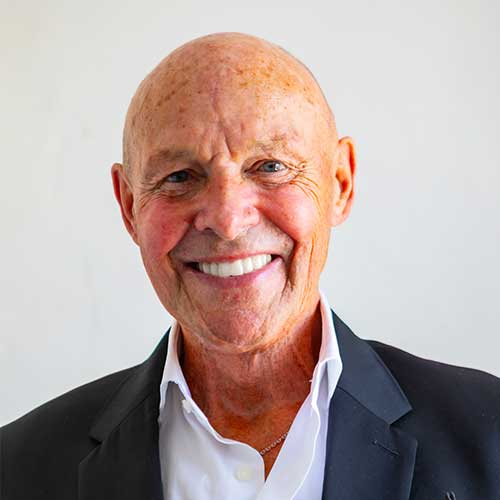
Review by: Chris Spencer, Addiction Specialist
A Chinese Executive’s Hidden Gambling Addiction
- Behavioural Addiction Treatment Centre
Names and identifying details have been changed to protect privacy.
Wei was a senior executive. He was respected at work, trusted by his family, and accustomed to carrying responsibility without showing strain. From the outside, his life looked secure: a successful career, international travel, a wife he loved, and a reputation built carefully over many years.
But on a business trip overseas, alone in a hotel room, Wei reached a point he had never imagined possible. His gambling had escalated. The losses, secrecy and fear had become unbearable. He felt trapped between the public image he had spent a lifetime protecting and a private reality that was beginning to unravel. At his lowest point, Wei began to think about suicide.
He felt completely alone. Who could a senior executive trust with something that threatened his marriage, his reputation and his family’s future? Who could he speak to without fear of being judged, exposed, or reduced to the worst thing he had done? For Wei, recovery began with one confidential conversation.
A pattern that developed quietly
For more than ten years, Wei travelled internationally for work. In the early years, gambling was occasional: a casino visit after a business dinner, a modest amount of money, an evening he regarded as harmless entertainment.

When he returned home, he stopped. He resumed family life, focused on work, and told himself there was no problem. For a long time, that appeared to be true. Then the pattern began to change.
Before each trip, Wei felt a growing anticipation. Travel was no longer only about meetings, hotels and schedules; it became connected with the possibility of gambling. The closer a trip came, the more his thoughts turned towards it. Once abroad, the urge returned quickly.
Each trip seemed to continue where the last one had ended. Gambling became more frequent, the stakes increased, and walking away became harder. At home, Wei could often abstain. But he became increasingly preoccupied with the next opportunity to travel. He told himself that he could stop whenever he wanted. Sometimes, he did, for a while. But over time, he came to understand the difference between stopping and staying stopped.
The moment the limit stopped working
Wei had always believed he was being careful. Before entering a casino, he would decide how much he was prepared to lose. He regarded that figure as a sensible limit: once he reached it, he would leave. On one trip, he reached that limit.
He began to walk out of the casino feeling disappointed, but still in control. Then he passed the banking area. He stopped. He told himself that withdrawing a further €5,000 on his American Express card would give him one more chance to recover what he had lost. Instead, it became the point at which the night changed. After that, stopping felt increasingly difficult. By 4 a.m., Wei was devastated. The money mattered, but what frightened him more was the realisation that he had crossed a boundary he had set for himself only hours earlier.
“How could this have happened?” he kept asking himself. This is one of the most painful features of gambling addiction: the person often knows what they intend to do, understands the consequences, and may sincerely want to stop—yet in the moment, the need to continue can overpower the plan.
The cost was never only financial
At first, Wei focused on the money. He made promises: next time he would be more careful; next time he would set a limit; next time he would gamble only once, or only with a certain amount. But gambling addiction is rarely only about money.
The secrecy began to shape his life at home. Wei became quieter and more emotionally distant from his wife. He was distracted, withdrawn and unable to be fully present with his family. Beneath this were guilt, remorse and a deep sense of shame.
As someone respected professionally and in his community, he found it difficult to admit that gambling had taken control of part of his life. He feared disappointing the people closest to him. He feared judgement. He feared that a problem he had tried to hide could damage everything he had built.
One evening abroad, Wei saw his wife’s name appear on his phone. He let it ring. He could not bear to hear her voice, but neither could he bear what he was becoming without her. In that moment, the distance between his public life and private life felt impossible to ignore. The harder he tried to conceal the problem, the more isolated he became.
By the time his wife discovered what had been happening, the issue was no longer simply financial. Trust had been broken. His family was frightened. His wife was devastated not only by the gambling, but by the unanswered questions, the emotional distance, and the realisation that he had been suffering alone.
Searching for somewhere he could trust
For many people, shame delays the decision to seek help. They may believe they should be able to manage the problem themselves, particularly when they have been capable and successful in other parts of life. Wei felt this deeply.
He spent many hours researching treatment options privately. He looked at programmes in Switzerland, England and the United States. He was not simply looking for a treatment centre; he was looking for somewhere that could understand the seriousness of his situation, protect his privacy, and help him address the gambling itself rather than only its consequences.
During that search, he came across Phoenix Programmes in Spain. What stood out to him was the experience of the team, the individual approach, and the fact that he could call the CEO directly. He did. That first conversation mattered. Wei immediately felt that he was speaking with someone who understood both his gambling and the fear behind it. More importantly, he felt trust.
For a man who had spent years hiding his gambling, being able to speak openly without feeling judged was the turning point. He knew that Phoenix was where he wanted to have treatment.
ONE CONVERSATION. A NEW DIRECTION.
Speak to us today for a confidential, no-obligation conversation
Learning a different way forward
Wei completed six weeks of primary treatment, followed by six weeks of continuing support. Although he spoke English fluently, Chinese-language interpretation was available to him and his family if they wished to use it. The work did not rely on assumptions about his background or culture. It began with understanding him as an individual: his travel schedule, triggers, access to money, relationships, pressures and the reasons he had found it so difficult to ask for help.
During treatment, he began to understand gambling addiction as a cycle. Travel, anticipation, access to gambling, stress, secrecy and emotional isolation had all reinforced one another. Recognising the cycle gave him something he had not had before: the ability to see it forming before it became overwhelming. Recovery did not erase the damage overnight. It did not instantly restore trust or remove difficult conversations.
It meant taking responsibility. It meant being honest. It meant putting practical safeguards in place and accepting that ongoing support was part of protecting his future—not a sign of weakness.
For Wei, this included changing how he managed work travel, building accountability around money, and staying in regular contact with people who understood the risks he faced. At home, rebuilding trust with his wife required patience, honesty and a willingness to listen to the impact his behaviour had had on her. The work was not about proving that he was strong enough to manage alone. It was about learning that real strength can include asking for help before there is nothing left to protect.
There is always a first conversation
Gambling addiction can affect anyone—regardless of status, background, intelligence or success. It can grow quietly behind a professional title and a carefully maintained public image. It can also be treated.
Phoenix offers private, individualised treatment for people who need discretion as well as clinical support. We understand that for senior professionals and families, confidentiality is not an afterthought. It is essential to feeling safe enough to speak honestly and begin recovery.
If gambling is affecting your life, relationships, work or mental wellbeing, a confidential conversation can be the first step towards change. You do not need to have every answer before reaching out. Sometimes, one private conversation is enough to begin.
If you think that you or someone you love might have a problem with drug or alcohol addiction, compulsive behaviour or emotional disorders, reach out and speak to our specialist addiction rehab treatment team on our confidential helpline +34 691 881 422. Immediate admission available.

Why Are LGBT+ People Twice As Likely To Suffer Addiction?
People who are LGBT+ (lesbian, gay, bisexual, transgender and other sexual and gender minorities) are 2-3 times more likely to develop an addiction than other people. Thanks to growing acceptance, nearly 10% of British under 25s.
...

Know Thyself: Why Authenticity Is the Core of Recovery
Authentic recovery requires courage, the courage to look inward, to confront illusions, and to reclaim the deepest truths of who we are. The AA reminder “To thy own self be true” captures this perfectly, rooted in ancient wisdom.
...
Alcohol & Drug Abuse Are Serious Public Health Issue
Understanding the causes of substance abuse requires a comprehensive look at a complex interplay of factors, including genetics, learned behaviour, environmental influences, and psychological conditions.
...

How to determine you may have a problem with alcohol or drugs
The holiday season is over, but what if you have been left with more than just a hangover. Christmas, and the holiday season in general, is a difficult time for many people, especially those struggling with a drug or alcohol problem.
...

Alcohol and addiction awareness lecture / seminars
This week the team at the rehab centre were invited by a local Marbella school to give a lecture on alcoholism and addiction to the kids in Years 9 and 10. Awareness talks are a vitally important part of helping others understand.
...

Why I chose Phoenix Programmes Residential Rehab
was supposed to be holidaying in Europe with family and instead I was stuck in a hotel, drinking alone. I knew I needed help so I asked a family member to look at addiction rehab centres.
...
What is mental health? And how does it affect us?
Mental health refers to our emotional, intellectual, and behavioural welfare; how we feel, what we think and how we behave. Our mental health has an impact on every facet of our daily lives and how we view the world we live in.
...

Why Alcoholics Anonymous Works: Altruism and Recovery
Alcoholics Anonymous has helped millions of people achieve and maintain sobriety. Its effectiveness is often attributed to fellowship or spirituality, but the deeper reason lies elsewhere because it addresses.
...

