
How to Support Your Loved One Through an Addiction
- Drug, Alcohol and Behavioural Addiction Treatment Centre
When someone you care about is struggling with an addiction - whether it's drugs, alcohol or behavioural addictions, it may cause you to feel a range of different emotions from helplessness, guilt, grief, and maybe even anger.
Knowing how to support your loved one is key, but it's also essential you take care of yourself, too.
Remember, you can't pour from an empty cup. Taking care of your own mental and emotional needs is not selfish; it's necessary for you to be able to support your loved one effectively.
Here, we will explore several ways you can support your loved one through an addiction, including setting healthy boundaries and learning more about addiction.
In the meantime, if you are concerned about your loved one's substance use or would like a confidential discussion with an expert-led team, we are here to help.
Addiction recovery support in Spain
At Phoenix Programmes, we understand the challenges families face when a loved one is grappling with an addiction.

We offer compassionate, trauma-informed care to both clients and their loved ones, gently guiding them toward lasting recovery and wellness at a pace that suits their individual needs.
With decades of experience and knowledge in addiction recovery, our personalised treatment programmes are crafted to suit our client's needs, goals and preferences, addressing all the various aspects of addiction, including the mind, body, and spirit.
Supporting a loved one with an addiction is no easy feat, especially when emotions run high and boundaries are tested. So, to help guide you through this process, here are five essential steps you can take to support your loved one while taking care of yourself.
1. Set Healthy Boundaries
This may sound counterintuitive, but implementing healthy boundaries is one of the most effective ways you can help your loved one through an addiction while taking care of yourself.
Setting healthy limits is one of the purest acts of love - as it can help prevent enabling behaviours and ensures your loved one remains accountable for their recovery journey.
If you struggle to set or maintain boundaries, know that it's perfectly normal and can take time.
But with practice and patience, you can learn to set healthy limits, allowing your loved one to take full responsibility for their actions and choices -which is an essential component in addiction recovery.
2. Educate Yourself About Addiction
Another great way to support your loved one is to understand that addiction is a medical disease, not a choice or a sign of failure, but a condition that requires compassion, understanding and ongoing education.
Families must educate themselves on how addiction may affect their loved one's behaviour, brain, emotions and choices, which can help cultivate empathy instead of judgement.
Families must educate themselves on how addiction may affect their loved one's behaviour, brain, emotions and choices, which can help cultivate empathy instead of judgement.
3. Look After Your Mental Health
As mentioned, it's crucial for families supporting a loved one through an addiction to remember to take care of their own emotional and physical well-being.
Supporting someone through an addiction can take a significant toll on your emotional and physical health - and can lead to compassion fatigue and burnout if left unchecked.
You may find it helpful to:
Supporting someone through an addiction can take a significant toll on your emotional and physical health - and can lead to compassion fatigue and burnout if left unchecked.
You may find it helpful to:
Speak with a counsellor or therapist
Join a group for support and guidance
Build a support network of friends and family
Practise self-care like yoga or journaling
4. Stay Involved In Your Loved One's Recovery
Families who are involved in a loved one's recovery often have the most successful outcomes.
For instance, some research shows that involving family members in substance abuse treatment programmes has been shown to reduce substance use and improve family functioning.
Moreover, actively engaging in a loved one's care can be beneficial for families, as it helps reduce feelings of helplessness and guilt, allowing them to be more involved in their loved one's treatment plan.
5. Encourage Your Loved One To Seek Professional Help
Encouraging your loved one to seek professional help can be profoundly challenging - even thinking about the conversation may make you feel tense or anxious.
It's important not to force the issue, particularly if your loved one is not yet ready or open to receiving help.
However, gently guiding the conversation in a calm, empathetic manner can be a helpful way to approach the topic.
Whether your loved one requires detox, inpatient rehab, or specific therapies like CBT or PTSD treatment, there are many treatment options you can explore, all of which are available at our rehab centre in Spain.
This blend supports whole-person recovery body, mind, and spirit.
Next steps
If you suspect your loved one has an addiction, or you want to support someone with substance abuse issues, we encourage you to get in touch with our team today.
At our specialised rehab clinic in Europe, we offer personalised addiction treatment programmes with two different options: an individual retreat at our treatment centre in Spain or with your personal specialist addiction recovery team, who can be dispatched to your international location.
To learn more about our alcohol or drug addiction programmes, contact our specialist team today and begin your journey to lasting wellness and transformation.
If you think that you or someone you love might have a problem with drug or alcohol addiction, compulsive behaviour or emotional disorders, reach out and speak to our specialist addiction rehab treatment team on our confidential helpline +34 691 881 422. Immediate admission available.

My Addiction Wasn’t About My Drinking, It Was About My Thinking
For many years I believed my problem was alcohol. That seemed obvious. After all, alcohol had nearly destroyed my life. It damaged my relationships, affected my health, clouded my judgement and left me trapped in a cycle I couldn’t seem to escape....
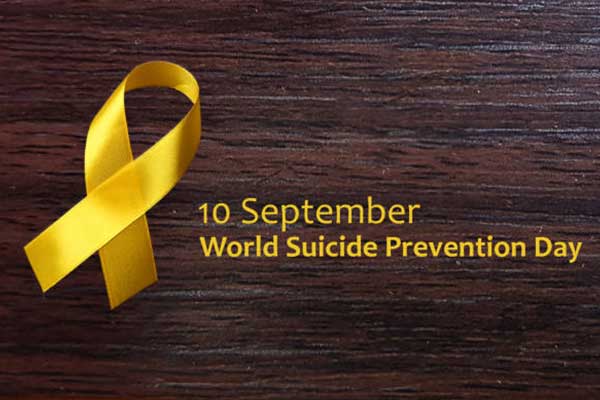
World Suicide Prevention Day is on September 10th every year
Half of all suicides are associated with alcohol and drug use, and about 25% of alcoholics and addicts commit suicide. Many addicts use alcohol and drugs to relieve the symptoms of mental health problems.
...

The Iceberg of Addiction: What You See vs What Needs to Change
Many people believe their problem is alcohol, drugs, or a specific behaviour. On the surface, that makes sense, as that is what causes the immediate damage. That is what people see, and that is what creates the crisis. But in reality, this is only a ...
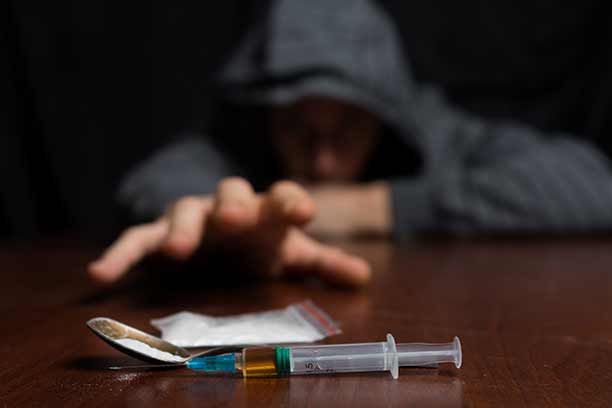
Men are three times more likely to die by suicide...
For a long time, men’s struggles with Mental Health have been pushed under the carpet. Two overriding emotions associated with alcoholism and addiction are despair and hopelessness, this can lead addicts to use suicide as.
...

Why Are LGBT+ People Twice As Likely To Suffer Addiction?
People who are LGBT+ (lesbian, gay, bisexual, transgender and other sexual and gender minorities) are 2-3 times more likely to develop an addiction than other people. Thanks to growing acceptance, nearly 10% of British under 25s.
...

Grey Area Drinking: When Social Drinking Isn’t Harmless
For years, I believed alcohol only became dangerous at the extreme end of the spectrum, where lives were visibly falling apart. If you weren’t drinking in the morning or humiliating yourself in public, you were “fine”. That belief is common.
...

What is addiction? And who can become an addict?
Addiction means to continually do something that makes you feel rewarded or happy, despite there being negative or unfavourable consequences by doing so, for some it is drugs and for others it could be gambling.
...

Experience Matters More Than Luxury in Addiction Treatment
Many treatment centres promote beautiful facilities, luxury accommodation, and impressive brochures. Yet when someone is facing the reality of addiction, anxiety, depression, or burnout, one question matters more than any other: “Who will actually be...

