
The Chaos of an Alcoholic Mind: My Story of Recovery
- Alcohol, Drug and Behavioural Addiction Treatment Centre
My Alcoholic Brain and Foreboding Thoughts of Doom
When I was drinking and gripped hard in alcohol’s clutches, my mind was storm-lashed—turbulent, relentless, and unforgiving. It was like living inside a cyclone of racing thoughts, each one spinning faster and more frantically than the last.
My inner world was ruled by paralyzing anxiety and an ever-present sense of impending doom. Every day, I imagined worst-case scenarios with frightening detail. My brain convinced me that my life was unraveling, that disaster was inevitable, and that I was powerless to stop it.
The image that haunted me most vividly was of myself lying face down in the gutter—drunk, broken, alone—having lost everything I once held dear. That picture didn’t feel like a nightmare; it felt like a prophecy.
I was living with what many in recovery call the “monkey mind”—an untamed, impulsive mental state that swung wildly from regretful memories of the past to terrifying projections of the future. There was no rest. My thoughts galloped like a runaway horse, fueled by guilt, shame, and unresolved trauma.

I had no calm. No quiet. No clarity. Just a deafening mental storm and a suffocating sense of doom. And so, I drank.
Drinking to Escape My Own Mind
Alcohol, for a time, felt like the only way out—the only thing that could quiet the mental noise. One or two drinks in, and the chaos softened. My thoughts were numbed. The sharp edges of my fear dulled. I could breathe again, if only for a moment.
But it was always a trap. The stillness alcohol offered was counterfeit. It was an illusion, a mirage in a mental desert. And like all illusions, it came at a cost. The brief reprieve was always followed by a return of the same storm, only now it was fiercer, darker, and weighed down with fresh regret.
The next morning, my alcoholic mind would awaken before I did—already busy manufacturing fear, panic, and self-loathing. The shame of my drinking. The fear of losing everything. The guilt of knowing I was failing, again. These thoughts didn’t just haunt me—they hunted me.
I was caught in an unbreakable cycle: drink to quiet the mind, suffer more for having drunk, and then drink again to escape the suffering I had just caused. Every drink pushed me further from peace and deeper into despair.
How AA Changed My Thinking and Helped Me Recover
When I finally stumbled into AA, I didn’t just want to stop drinking. I was desperate for something far more profound: a new way to live. A new way to think.
AA met me where I was. I was broken, lost, and mentally bankrupt. The message I heard was simple: Show up. Listen. Be honest. Stay open. I had tried my way, and it had led me to the edge of destruction. I was ready—truly ready—to try another way.
One of the most powerful truths I learned early in AA was that alcohol wasn’t my core problem. It had been my medication. The real problem was the way I thought. My obsessive need to control outcomes. My relentless fear of the future. My stubborn refusal to accept life on life’s terms. I wasn’t just addicted to alcohol—I was addicted to fear-based thinking.
AA introduced me to the radical concept of surrender. I didn’t need to win the war in my mind—I needed to stop fighting it. Instead of trying to force life to fit my expectations, I had to accept it as it was. This surrender wasn’t weakness—it was liberation.
How the Pause Helped My Alcohol Recovery
One of the life-changing tools AA gave me was the pause. Before AA, I reacted to everything. I was impulsive, often angry, and ruled by emotion. But as I worked the Steps and leaned into the fellowship, I discovered a new practice: pause, breathe, wait.
When a fearful thought would hit me like a tidal wave, I didn’t have to ride it. I could step back. I could let it pass. I learned that not every thought needed a response. Not every fear was real. Not every emotion was urgent. Most of them were just the echoes of my old alcoholic thinking.
The pause created space—space for clarity, for kindness, for truth. It became my lifeline to sanity.
Meditation and Healing My Alcoholic Brain
Meditation became another vital piece of my healing. At first, the silence was deafening. But over time, I learned to observe my thoughts without becoming them. I began to understand the difference between thinking and being. I was not my fear. I was not my anxiety. I was the awareness beneath it all.
Through daily quiet time, I watched the chaos subside. The monkey mind lost its grip. My thoughts stopped swinging wildly between past and future. For the first time in my life, I experienced the now—and in that moment, I found peace.
Meditation didn’t change the world around me. It changed me. It gave me the power to sit with discomfort without reaching for a drink. It gave me permission to simply be.
Finding Inner Peace in Sobriety
As I continued working the Steps, showing up to meetings, and practicing daily reflection, my thinking continued to evolve. The doom and gloom that once dominated my mind slowly gave way to hope and perspective. I no longer saw every challenge as a catastrophe. I no longer obsessed over what could go wrong. I was learning to live in the present, with gratitude and grace.
I came to understand that calmness is not the absence of struggle—it’s the presence of peace amidst the struggle. It’s the grounded, centered awareness that I can face anything, one day at a time.
This is the miracle of inner peace: it does not come from controlling the world—it comes from mastering my response to it. It is not about forcing outcomes, but about trusting the process. Peace is not something I earned—it’s something I accepted. A gift that AA helped me uncover from within.
The False Calm of Alcohol vs. the True Calm of Sobriety
Alcohol once promised me serenity, but it only delivered sedation. It dulled my pain, yes—but it also dulled my soul. The calm it offered was shallow and deceptive, always followed by deeper suffering.
Sobriety, on the other hand, gave me access to true calm—the kind that doesn’t vanish in the morning. The kind that doesn’t depend on anything outside of me. The kind that is built on daily action, spiritual connection, and the willingness to let go.
I no longer seek relief from the bottle. I seek serenity from within. I cultivate calmness through practice, through patience, through prayer and meditation, through service to others. And in doing so, I’ve found what alcohol never could give me: peace of mind, peace of heart, and peace of soul.
One Breath at a Time
Today, I live a life that once seemed impossible. A life not ruled by fear, not haunted by doom, not consumed by guilt. I live a life of clarity, purpose, and presence. I have found the freedom I was always searching for—not in the bottom of a bottle, but in the stillness of a sober mind. And the most important lesson in my life is to maintain that freedom one moment, one breath, one day at a time.
If you think that you or someone you love might have a problem with drug or alcohol addiction, compulsive behaviour or emotional disorders, reach out and speak to our specialist addiction rehab treatment team on our confidential helpline +34 691 881 422. Immediate admission available.

Emotional intimacy disorders: sex and love addiction
More people asked for help with sex addiction in the first four months of 2021, than in the whole of 2020. Addicts that are searching for something outside of themselves to provide them with something they feel they are missing. People often associat...

A Chinese Executive’s Hidden Gambling Addiction
Wei was a senior executive. He was respected at work, trusted by his family, and accustomed to carrying responsibility without showing strain. From the outside, his life looked secure: a successful career, international travel, a wife he loved, and a...
The Founder's Story – Addiction is a chronic illness
Addiction doesn’t just affect the individual—it affects families, relationships, and futures. At Phoenix Programmes Spain, we believe healing begins with honesty, connection, and highly personalised support.
...
Choosing the Right Luxury Rehab Treatment Centre
For those seeking a luxury rehab treatment centre for themselves or a loved one, this is the first step in choosing an investment in your future life without the use of drugs and alcohol. Selecting the right treatment centre.
...
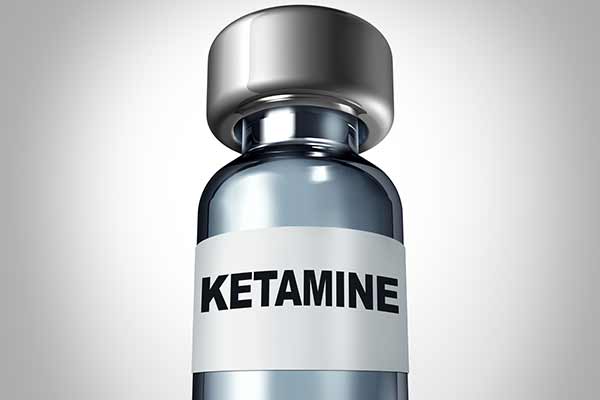
The Tragic Loss of The Vivienne and a Spotlight on Ketamine
Ketamine has gained a reputation as a party drug and even a mental health treatment—but recent news reminds us of its darker side. The sudden death of beloved drag artist The Vivienne has sparked conversations about ketamine misuse.
...
The Mind’s Negative Bias, Gratitude and Recovery
Our minds are wired to spot danger, but in addiction this protective instinct can turn against us, fuelling anxiety, catastrophising and the urge to escape through alcohol. We explore how learning to sit with uncertainty and practising daily gratitud...

Why Would I Travel to an Addiction Rehab Centre Abroad?
Do you feel that your drinking, drug using, gambling – or any other addiction – has gotten too much. That the consequences are endless and at times (or all the time) you feel your life is spiralling out of control.
...
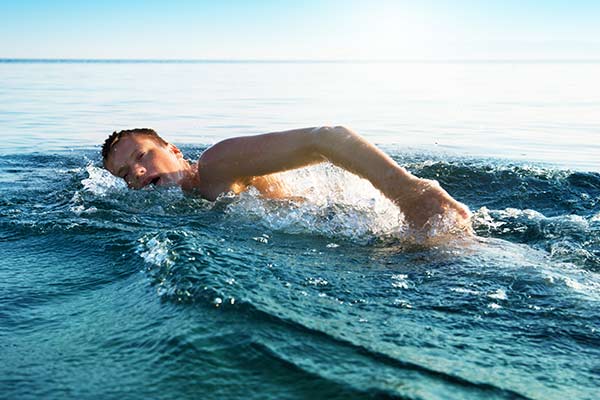
The benefits of cold water swimming for addiction
Cold water swimming and bathing has seen a surge in popularity over the past couple of years, and more and more people are turning to its benefits in their daily routines. Whether it's cold showers, baths or a dip in the sea, river or lake.
...

