
The Medical Truth About Alcoholism | Why Sobriety Saves Lives - Part 1 of 2
- Alcohol, Drug and Behavioural Addiction Treatment Centre
By a grateful recovering alcoholic committed to telling the truth
Introduction: More Than a Moral Crisis
Alcoholism is often misunderstood as a moral or spiritual failing, but the medical truth is clear. Alcohol is a toxic substance that damages the body, affects the brain, and shortens lives. This article explores the medical reality of alcoholism, the limits of early recovery understanding, and how sobriety allows physical and mental healing to begin.
Alcohol Is a Poison, Not a Personality Defect
At the lowest point of my past, I was a broken man. Alcohol had taken control, and it was affecting every area of my life, my work, my relationships, my emotions, and my physical and mental health. In early recovery meetings, I heard many moving accounts of spiritual awakening and emotional devastation.
What I heard far less about was the physical damage alcohol causes, the slow, cumulative toll on the brain, organs, and nervous system. Alcohol-related deaths and suicides are part of this often-unspoken cost.
What I heard far less about was the physical damage alcohol causes, the slow, cumulative toll on the brain, organs, and nervous system. Alcohol-related deaths and suicides are part of this often-unspoken cost.
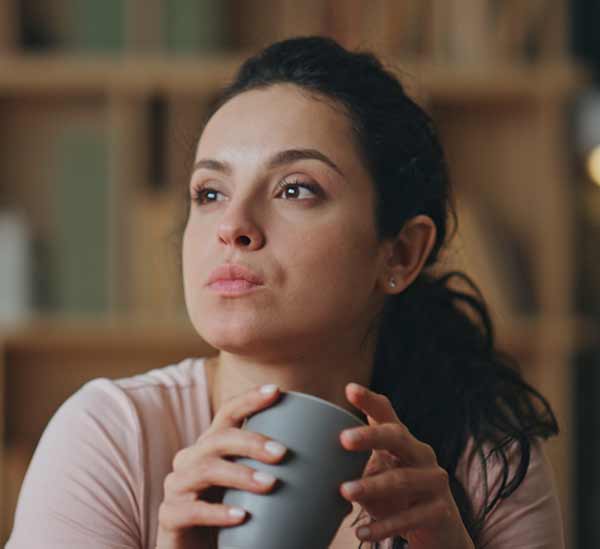
Alcoholism is not simply a failure of will or character. Alcohol is a diluted, addictive poison that progressively harms the body, sometimes quietly, sometimes fatally
What Early Recovery Movements Couldn’t Yet Know
When Alcoholics Anonymous was formed in the 1930s, medical knowledge of addiction was limited. Psychiatry was still emerging, and alcoholism was largely viewed as a moral weakness rather than a disease process.
Dr. William Silkworth, who wrote The Doctor’s Opinion in The Big Book, was far ahead of his time. He recognised alcoholism as a combination of mental obsession and physical abnormality, acknowledging that traditional medicine alone was ineffective.
While the spiritual solution of recovery was revolutionary, the full physiological cost of alcohol was not yet understood.
Today, the medical evidence is unequivocal.
Alcohol:
Damages and kills brain cells
Poisons the liver
Depresses the central nervous system
Weakens the heart
Disrupts digestion and hormones
Compromises immunity
Increases cancer risk
The World Health Organization classifies alcohol as a Group 1 carcinogen, the highest risk category. Current evidence shows no completely safe level of alcohol consumption. The conclusion is unavoidable:
Alcohol shortens lives.
Alcohol shortens lives.
Sobriety: The Body’s Natural Recovery State
The shift from freedom to captivity is gradual and almost invisible. It begins subtly: slightly larger pours, starting earlier in the evening, needing a quick top-up before meeting friends just to take the edge off. I recall noticing my glass emptied faster than everyone else’s, and brushing it off with a familiar joke.
Here is the other side of the truth, the hopeful side. When alcohol is removed, the body begins to repair itself. This is not motivational language; it is biological fact.
Within weeks of sobriety:
Here is the other side of the truth, the hopeful side. When alcohol is removed, the body begins to repair itself. This is not motivational language; it is biological fact.
Within weeks of sobriety:
Sleep deepens
Anxiety reduces
Digestion stabilises
Tremors stop
Mental clarity returns
Energy improves
Sobriety allows the nervous system, brain, and organs to rebalance. Given the chance, the body moves instinctively toward health.
Re-Examining Step One Through a Medical Lens
Step One states:
We admitted we were powerless over alcohol, that our lives had become unmanageable.
That unmanageability is often understood emotionally or spiritually. But it is also physical.
If expanded, Step One might read:
We admitted we were powerless over alcohol, that our lives had become unmanageable, and that our health was in serious danger.
Before sobriety, my sleep was poor, my thinking clouded, my energy depleted. I was functioning, but I was deteriorating, physically and mentally, one drink at a time.
The Early Miracle of Sobriety
When I stopped drinking, I expected discomfort. What surprised me was recovery.
My sleep improved. Anxiety eased. Digestion normalised. The mental haze lifted. I could concentrate, listen, and sit quietly without panic. I was not becoming someone new, I was returning to who I had been before alcohol took hold.
Sobriety didn’t suppress me.
It restored me.
My sleep improved. Anxiety eased. Digestion normalised. The mental haze lifted. I could concentrate, listen, and sit quietly without panic. I was not becoming someone new, I was returning to who I had been before alcohol took hold.
Sobriety didn’t suppress me.
It restored me.
End of Part 1
Part 2 will explore:
Part 2 will explore:
Sobriety and longevity
Recovery as preventative medicine
The role of structured treatment
Why modern recovery must include medical reality
How Phoenix Programmes integrates this understanding
If you think that you or someone you love might have a problem with drug or alcohol addiction, compulsive behaviour or emotional disorders, reach out and speak to our specialist addiction rehab treatment team on our confidential helpline +34 691 881 422. Immediate admission available.
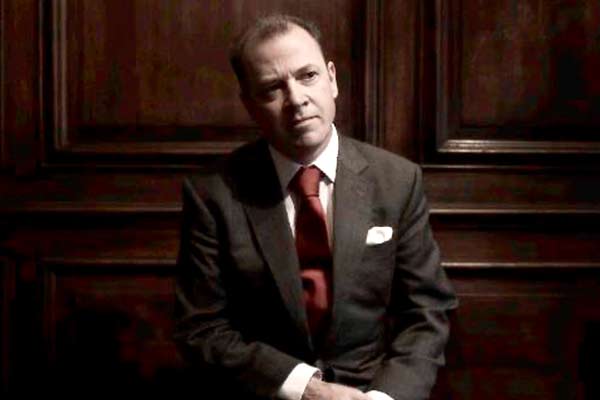
We are excited to announce a new UK based addition to the team
We are excited to announce a new UK addition to the team - Richard Kingdon. He is a highly qualified addiction counsellor based in London, experienced in the treatment of alcoholism and substance abuse.
...

Sobriety: The Best Valentine’s Present You Can Give
Valentine’s Day can be a major trigger for addicts and alcoholics. Yet sobriety can benefit relationships far beyond anything you imagined possible, leaving couples even stronger than they were before addiction entered their lives.
...

How We Dealt With Lockdown - Online Therapy Courses
With most of Europe experiencing a second wave of the Covid-19 virus and the appearance of new mutated strains, what are people doing if they need help for issues with alcohol and drug addiction during lockdown?
...
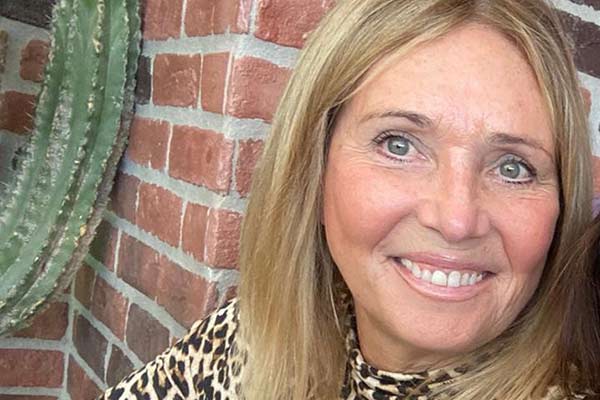
"I have a life that is beyond my wildest dreams!"
Today, 7th January 2021, I celebrate 16 years clean and sober. I have a life that is beyond my wildest dreams. A wonderful husband, a loving marriage, a fantastic relationship with my children; and my eight grandchildren.
...
Alcohol and Inner Healing: When the Solution Becomes the Curse
Alcohol is often seen as a way to cope with life’s difficulties. Yet what begins as relief from stress, anxiety, and emotional pain can quietly evolve into something far more harmful. Many of the struggles people try to escape through drinking are of...
Are You Taking Too Many Sleeping Pills? It's Easy To Become Addicted
Do you struggle to sleep without sleeping pills? Are you taking too many? Do you struggle with insomnia, restless and anxiety without them? Have you tried to stop and failed? It’s not a surprise - sleep medications.
...

VIP Dual Diagnosis Treatment and Long-Term Recovery
Addiction and mental health difficulties frequently occur together. Our exclusive VIP programme treats one client at a time, providing the privacy, clinical attention and personalised primary and secondary care needed to create a strong foundation fo...
Lockdown life, did your drinking get out of control?
Lockdown was a stressful, anxious, lonely, and sometimes even downright dull, time for many. On top of the isolation many needed to assume the extra or sole responsibility for tasks such as home schooling or housekeeping.
...

