

17th June, 2026
Review by: Chris Spencer, Addiction Specialist
When the Cure Becomes the Curse: How Alcohol Worsens Stress, Anxiety and Loneliness
- Drug, Alcohol and Behavioural Addiction Treatment Centre
When the Cure Becomes the Curse
How Alcohol Creates the Problems It Pretends to Solve. For many people, alcohol does not begin as a problem. It begins as a solution. A stressful day at work is softened by a drink in the evening. Anxiety seems to fade after a few glasses of wine. Loneliness feels less painful in the company of alcohol. Emotional wounds become temporarily quieter.
At first, alcohol appears to do exactly what we want it to do. It provides relief, comfort, confidence, and escape. The problem is that alcohol’s relief is temporary. The difficulties it appears to solve often return stronger than before. Over time, alcohol can gradually create the very problems it once seemed to remove.
What starts as the cure slowly becomes the curse. Looking back at my own drinking, I genuinely believed alcohol was helping me cope with life. I drank when I felt stressed, anxious, lonely, or overwhelmed. For a while, it seemed to work. The problem was that I could not see what was happening over time. The stress I was trying to escape increased. The anxiety I was trying to numb became worse. The loneliness I was trying to avoid grew deeper. What I eventually came to understand was that alcohol was gradually becoming the source of many of the problems I believed it was helping me solve.
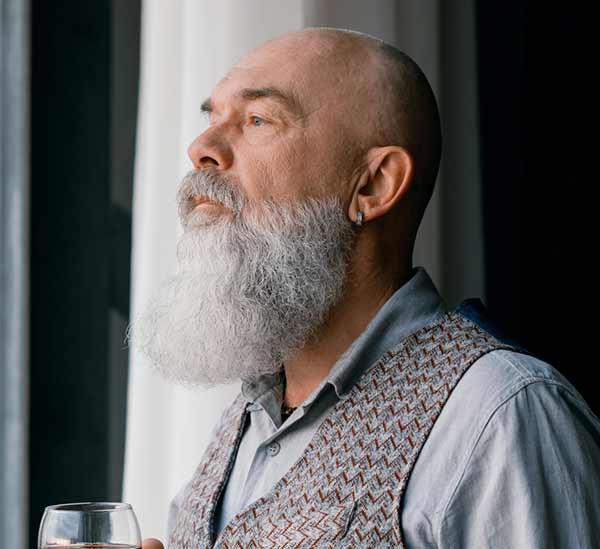
Alcohol and Stress
Stress is one of the most common reasons people drink. After a difficult day, alcohol can create a feeling of relaxation. Muscles loosen, worries seem less important, and the mind slows down. The relief feels real because alcohol affects the central nervous system. However, the body quickly adapts. As tolerance develops, larger amounts of alcohol are required to achieve the same effect. At the same time, alcohol begins to interfere with sleep quality, emotional regulation, concentration, and physical health.
The result is often more stress, not less. Financial problems, relationship difficulties, health concerns, poor work performance, and increasing dependence can all emerge as drinking progresses. The person who once drank to relieve stress eventually finds themselves stressed because of their drinking.
The result is often more stress, not less. Financial problems, relationship difficulties, health concerns, poor work performance, and increasing dependence can all emerge as drinking progresses. The person who once drank to relieve stress eventually finds themselves stressed because of their drinking.
Alcohol and Anxiety
Many people describe alcohol as helping them feel calmer. In social situations it may reduce self-consciousness. In moments of worry it can seem to quiet an overactive mind. Initially this may feel effective. However, alcohol changes brain chemistry. As blood alcohol levels fall, the nervous system often rebounds in the opposite direction. Anxiety frequently returns stronger than before.
Many heavy drinkers experience what is sometimes called rebound anxiety. They wake feeling nervous, unsettled, fearful, or unable to relax. To relieve these feelings, they drink again.A vicious cycle develops. The very substance being used to reduce anxiety gradually becomes one of its primary causes.
Many heavy drinkers experience what is sometimes called rebound anxiety. They wake feeling nervous, unsettled, fearful, or unable to relax. To relieve these feelings, they drink again.A vicious cycle develops. The very substance being used to reduce anxiety gradually becomes one of its primary causes.
Alcohol and Loneliness
Loneliness is another powerful driver of drinking. A drink can feel like company. It can fill empty evenings, reduce feelings of isolation, and temporarily ease emotional discomfort.
Yet alcohol often damages the very relationships that protect us from loneliness. Family members become frustrated. Friends may distance themselves. Trust can erode. Social activities become centred around drinking rather than genuine connection. Over time, many people discover that their world becomes smaller. The loneliness that alcohol once seemed to soothe often becomes deeper and more painful.
Yet alcohol often damages the very relationships that protect us from loneliness. Family members become frustrated. Friends may distance themselves. Trust can erode. Social activities become centred around drinking rather than genuine connection. Over time, many people discover that their world becomes smaller. The loneliness that alcohol once seemed to soothe often becomes deeper and more painful.
Alcohol and Emotional Pain
Perhaps the most powerful attraction of alcohol is its ability to numb difficult emotions.
Grief
Shame
Rejection
Fear
Disappointment
For a short period, alcohol can make these feelings seem less intense. The difficulty is that emotional pain rarely disappears simply because it has been avoided. Instead, it waits. When the effects of alcohol wear off, the original pain remains. Often it has grown worse because additional problems have developed alongside it. The individual finds themselves carrying both the original burden and the consequences of their drinking.
The Trap of Temporary Relief
One of the most deceptive aspects of alcohol is that it often works in the beginning. If alcohol never provided relief, few people would continue using it. The danger lies in the fact that the relief is temporary while the consequences are cumulative. Many people spend years believing alcohol is helping them cope when, in reality, it is gradually increasing the very difficulties they are trying to escape.
Stress becomes greater.
Anxiety becomes stronger.
Relationships become weaker.
Loneliness becomes deeper.
Emotional pain becomes more complicated.
The solution quietly transforms into the problem.
Stress becomes greater.
Anxiety becomes stronger.
Relationships become weaker.
Loneliness becomes deeper.
Emotional pain becomes more complicated.
The solution quietly transforms into the problem.
CHOOSE FREEDOM. START LIVING. STAY SOBER
Speak to us today for a confidential, no-obligation conversation
Breaking the Cycle
Recovery begins when a person recognises that alcohol is no longer helping. This can be a difficult realisation because alcohol may have served as a coping mechanism for many years. Yet once the cycle is broken, something remarkable often happens. The stress that seemed overwhelming begins to reduce. Anxiety becomes manageable.
Relationships start to heal.
Sleep improves.
Physical health recovers.
Most importantly, people begin learning healthier ways to cope with life. Instead of escaping emotions, they learn to understand them. Instead of numbing pain, they learn to process it. Instead of depending on alcohol for relief, they develop genuine resilience.
Final Thoughts
Many people turn to alcohol seeking relief from stress, anxiety, loneliness, and emotional pain. For a while, it may appear to work. But alcohol has a habit of quietly creating the very problems it promises to solve. The good news is that this cycle can be broken.
Recovery is not simply about removing alcohol. It is about discovering that the peace, connection, confidence, and freedom we were searching for in a bottle can be found in a healthier and more sustainable way.
Recovery is not simply about removing alcohol. It is about discovering that the peace, connection, confidence, and freedom we were searching for in a bottle can be found in a healthier and more sustainable way.
If you think that you or someone you love might have a problem with drug or alcohol addiction, compulsive behaviour or emotional disorders, reach out and speak to our specialist addiction rehab treatment team on our confidential helpline +34 691 881 422. Immediate admission available.

What’s behind rising drug deaths in England and Wales?
Drug-related deaths in England and Wales are at a record high, having risen steadily for 9 years. The Office of National Statistics reported 4,850 drug poisoning deaths registered in 2021, up 6.2% from the previous year.
...

How Disability can Fuel Addiction - and how to Get Help
Disabilities can increase the risk of addiction due to issues like difficulty finding employment, financial problems, social isolation, physical or verbal abuse, and enabling by caregivers who tolerate or even encourage it.
...

Stay Sober! Tips on staying safe, & sane, in the holiday season
Whether you are new in recovery, or you have been clean and sober for a while the festive season can be a tricky, uncomfortable, or difficult time, with office and work parties and family celebrations to contend with.
...

Get the Best Individual Addiction Rehab Treatment in Europe
Are you looking for private addiction treatment, with no other clients but you? Our single client individual rehab programmes deliver the best long-term results, thanks to our unique blend of proven one-to-one therapies.
...

Our New Individually Tailored Group Rehab Programmes
We are introducing a highly exclusive Small Group Treatment Programme, limited to a maximum of just 5 clients at any time, so you can benefit from bespoke tailored treatment and individual therapy alongside group workshops and activities.
...

Nicotine addiction compares to alcohol, heroin, and cocaine
We all know smoking is harmful. It’s written on cigarette packets, taught in schools, and echoed by every doctor. But how addictive is smoking, really? When compared to heavy hitters like alcohol, heroin, and cocaine and nicotine.
...

Is the Christmas Chaos Causing You to Burn Out?
Are you exhausted by the run up to Christmas? Are you anxious about working hard enough to make the perfect day? Or are you obsessively slaving away before your annual appraisal?. It’s perfectly normal to put in some overtime to pay for the presents....

Sobriety Saves Lives: The Medical Truth About Alcoholism
Alcoholism is often misunderstood as a moral or spiritual failing, but the medical truth is clear. Alcohol is a toxic substance that damages the body, affects the brain, and shortens lives. This article explores the reality of alcoholism.
...

