
5 Key Signs of Trauma You Shouldn't Ignore and How to Recover
- Mental Health and Addiction Treatment Centre
Various definitions for trauma exist, some more helpful than others. Gabor Mate, a renowned addiction and trauma expert, defines trauma in the following way: 'Trauma is an invisible force that shapes our lives. It shapes the way we live, the way we love, and the way we make sense of the world. It is the root of our deepest wounds.'
If you or someone you care about are struggling with unresolved trauma symptoms such as anxiety, depression, or flashbacks, you are not alone. At our trauma treatment centre in Spain, we work with individuals who may not initially recognise their symptoms as being trauma-related. However, once they have the chance to sit down with our clinical team and reflect on these experiences, the individual can connect their past to their current struggles in a safe and compassionate way, bringing relief and hope for a brighter future.
Here, we will explore five common symptoms of emotional trauma and how trauma-informed therapy in Spain can help you find lasting recovery - a life you could have only imagined at the beginning.
In the meantime, if you would like further information about your symptoms and treatment options, please contact Phoenix Programmes today, who will be happy to assist you.
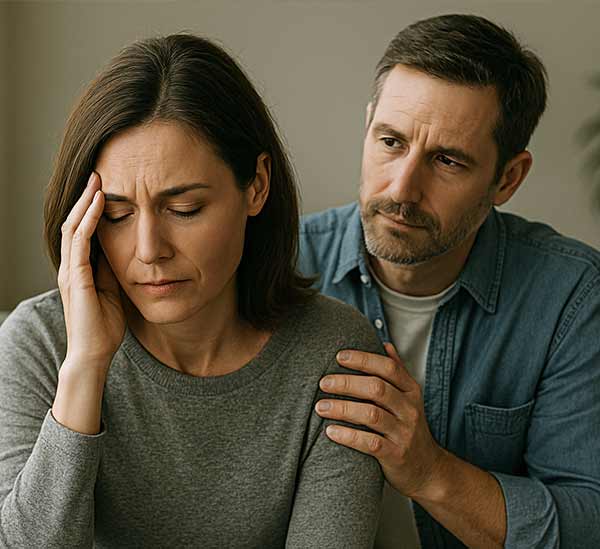
5 key signs of trauma you shouldn't ignore
We all have our unique trauma responses. These can depend on various factors, including the type of trauma you experienced, genetics, history and pre-existing health conditions. For instance, some people may experience severe anxiety (hyperarousal), while others may dissociate and become severely depressed (hypoarousal). Whereas others may turn to drugs or other substances like alcohol to cope with painful emotions or symptoms. Recognising the key signs of trauma is essential and may help you get the support you need more quickly, five of which are outlined below.
1. You constantly feel anxious or on edge
If you constantly feel anxious or on edge (a condition that is sometimes referred to as hypervigilance), you may be experiencing unresolved trauma symptoms. You may also have other symptoms including:
Always feeling jumpy or on 'high alert'
Trouble sleeping or relaxing
Feeling unsafe in the world
Difficulty trusting others
2. Emotional numbness
Many trauma survivors struggle with feelings of emptiness, numbness or feeling disconnected from themselves and the world. Emotions can feel scary and can even re-traumatise those who don't yet feel safe enough to explore their feelings.
Traumatised individuals may also struggle to experience the following:
Traumatised individuals may also struggle to experience the following:
Joy
Love
Connection
Sadness
This is a coping mechanism called dissociation, which is a typical trauma response in those who have experienced adversity in their lives.
3. Strong emotional reactions to minor triggers
Individuals who experience childhood or complex trauma are especially prone to having strong emotional reactions to minor situations or triggers. These responses are common in those who experience PTSD symptoms and other types of trauma (such as C-PTSD).
Common symptoms include:
Common symptoms include:
Persistent flashbacks
Uncontrollable rage
Panic attacks
Shutting down under minor stress
4. Struggling with trust and intimacy
Trust and intimacy issues are common among trauma survivors where individuals may experience the following:
Trouble setting healthy boundaries with others
Difficulty trusting or opening up in relationships
Fear of rejection and/or abandonment
Chronic shame and feeling unworthy
5. Unhealthy coping mechanisms
Many turn to unhealthy coping mechanisms like substance abuse to help them manage unpleasant symptoms and painful memories associated with their past.
For instance, some people may use alcohol, drugs, and food or engage in other compulsive behaviours like gambling or overspending to help them numb painful or unwanted emotions.
For instance, some people may use alcohol, drugs, and food or engage in other compulsive behaviours like gambling or overspending to help them numb painful or unwanted emotions.
Trauma treatment in Spain
At our specialised rehab clinic in Europe, we provide personalised treatment to individuals seeking long-term recovery from trauma and other mental health issues like addiction, anxiety and depression. Our multidisciplinary team brings decades of knowledge and experience in trauma and addiction recovery - helping individuals find lasting healing and wellness through a range of evidence-based treatments and experiential approaches.
Treatment options for PTSD and trauma at our rehab centre in Spain include the following:
Treatment options for PTSD and trauma at our rehab centre in Spain include the following:
EMDR (Eye Movement Desensitisation and Reprocessing) involves reprocessing traumatic memories in a safe and compassionate manner. This treatment uses guided eye movements to help individuals reprocess past experiences and reduce any distressing symptoms or behaviours.
Trauma-focused CBT helps you reframe unhelpful narratives around specific memories or deeply ingrained beliefs that may cause or exacerbate your symptoms, allowing you to view past experiences in a more positive, empowering way.
We also offer the following as part of our PTSD treatment programme in Spain:
Exposure therapy
Medication (when necessary)
Hypnosis and emotional freedom
Mindfulness and exercise
Healing from trauma abroad at Phoenix Programmes
Recognising the signs of emotional trauma is the first step to getting the help and support you need and deserve. At our trauma-informed treatment centre in Spain, we provide holistic treatment and care, including behavioural therapy, trauma-informed treatment, and nervous system regulation support, in a peaceful, confidential setting.
To learn more about our PTSD treatment programme, contact our clinical team today, who will gladly provide additional support and information.
To learn more about our PTSD treatment programme, contact our clinical team today, who will gladly provide additional support and information.
If you think that you or someone you love might have a problem with drug or alcohol addiction, compulsive behaviour or emotional disorders, reach out and speak to our specialist addiction rehab treatment team on our confidential helpline +34 691 881 422. Immediate admission available.
Why Are Cocaine Related Deaths More Common Than Ever?
Deaths due to cocaine abuse have been steadily rising for a decade, increasing by 7 times in ten years. Few people realise how seriously this addictive and potentially lethal drug can damage the heart and brain.
...
How Alcohol Charms You With Comfort Before Chaining You To Dependence
Alcohol addiction rarely begins with danger or warning signs. For most people, it starts quietly, with excitement, comfort, and the belief that we are in control. But what begins as pleasure can slowly transform into a silent prison.
...

Exercise in addiction recovery, it is good for you, and fun!
An important part of recovery is learning how to live a normal healthy life and to establish safe practices and routines around things like eating, sleeping and exercise. Exercise plays an important part in being healthy.
...
The Language of the Heart: The Human Side of Addiction
Few phrases capture the essence of Alcoholics Anonymous better than Bill W.’s description of the language of the heart. Within the fellowship, recovery doesn’t depend on instruction or authority, it grows from one alcoholic sharing with another.
...

Choosing the Right Luxury Rehab Treatment Centre
For those seeking a luxury rehab treatment centre for themselves or a loved one, this is the first step in choosing an investment in your future life without the use of drugs and alcohol. Selecting the right treatment centre.
...

Are you Afraid that your Child is Addicted to Video Games?
In May 2018 the World Health Organisation (WHO) added gaming disorder to the 11th edition of the International Statistical Classification of Diseases finally recognising that Gaming addiction is an illness. The first arcade and home computer games be...

Sobriety Saves Lives: The Medical Truth About Alcoholism
Alcoholism is often misunderstood as a moral or spiritual failing, but the medical truth is clear. Alcohol is a toxic substance that damages the body, affects the brain, and shortens lives. This article explores the reality of alcoholism.
...

What Is The Impact Of Addiction On The Family?
An earthquake doesn’t just affect the epicentre, and addiction doesn’t just affect the addict - it impacts everyone close to them. Partners, parents, siblings and extended family can all suffer, and children are most at risk.
...

