
Drug Abuse
Information about recreational and prescription drug addiction
Drug Abuse
Drugs - illegal, prescription, synthetic, pills, opioids, sedatives, stimulants – whatever the type or brand may be, repeated and long-term use can cause addiction and serious health implications. Our blogs include the latest news and information.

Published in February 2021, figures from the Home Office revealed that cannabis and cocaine continue to be the most popular illegal drugs in the UK. The use of any drugs can lead to addiction whatever class they are.
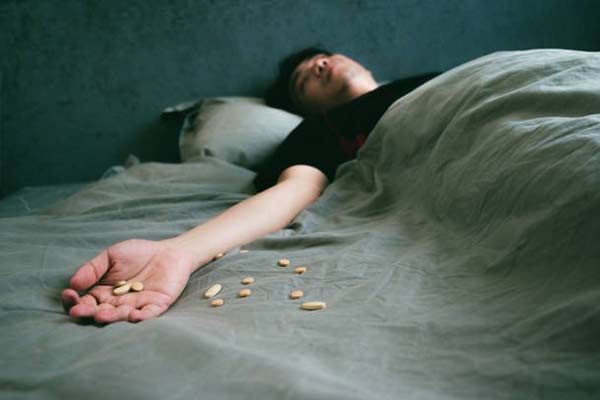
In September 2019 it was claimed that 1 in 4 Brits are addicted to prescription drugs. Whether that figure is accurate is disputed. What is known, is that 1 in 4 Brits had been prescribed an addictive drug in 2018.
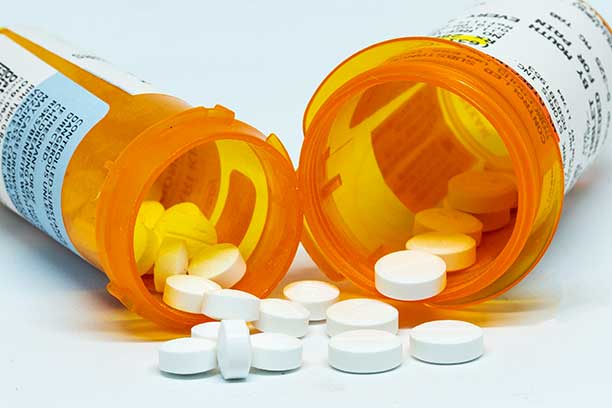
When most people think of a drug addiction, we think of the heroin addict, cocaine user or the pot head smoking marijuana. But recent years have also seen a leap in the number of people abusing prescription drugs.
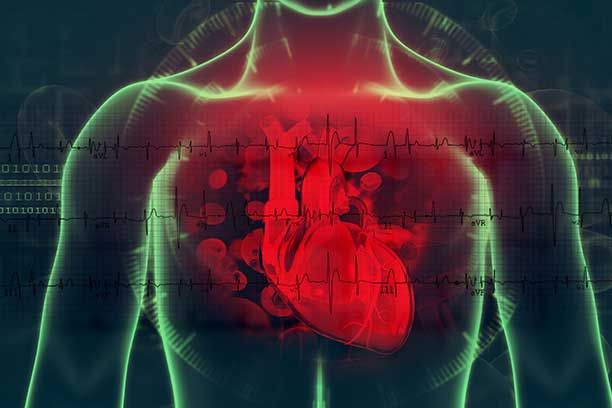
Following the death of Luke Perry earlier this year, the American College of cardiology said that drug induced heart attacks (particularly cocaine and marijuana) in the under 40’s has risen by 2% every year for the last decade.
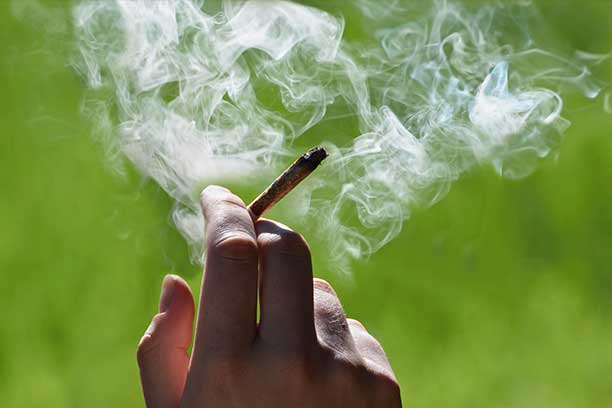
The increased decriminalisation and/or legalisation of cannabis use combined with the growing market of medical marijuana & the more widely spread use of cannabis oil has altered the perception of cannabis in general.

“Police warning over 'punisher' ecstasy tablets following teenager's death on Isle of Wight” “Teenagers killed after taking MDMA ecstasy drugs in Devon and Cornwall”. But what are “Designer drugs”?
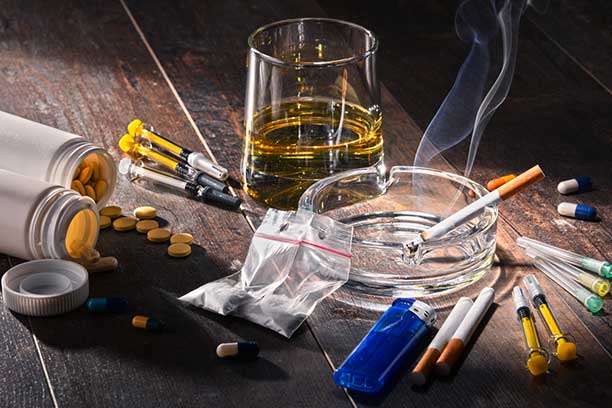
First introduced to the public in the 1970s, “the gateway theory of drug abuse” is the idea that using “soft” drugs such as alcohol or marijuana often leads on to the use “hard” drugs such as cocaine or heroin.
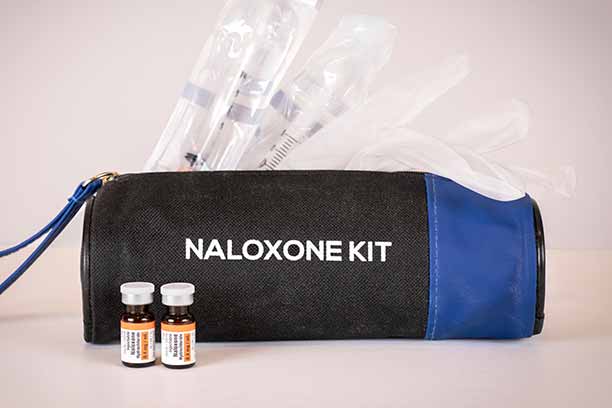
Naloxone is a drug used to halt the effects of opioids such as heroin and fentanyl and is used as an antidote to an opioid overdose. In an opioid overdose breathing can slow down or stop, naloxone works to reverse that.

