
Rapid rise in under 40’s suffering from cocaine induced heart attacks
- Addiction rehab treatment centre in Spain
Numerous studies have shown the use of cocaine can increase the likelihood of heart problems. Even short term or first-time users can suffer adverse effects, so those people using the drug on a regular basis are significantly increasing their chances of a heart attack or other heart related illnesses.
Cocaine use causes a sudden rise in blood pressure and heart rate, meaning the force of the heart is working much harder.
At the same time, it causes the veins that feed blood to the heart to constrict, reducing blood flow to the heart leaving the heart starved of the oxygen and nutrients it needs to cope with the increased force. Any of these factors can lead to a heart attack, cardiac arrest or stroke.
The use of cocaine (and other recreational and addictive drug use) is linked to an increase in the intake of both alcohol and tobacco, which adds an increased strain to an already overburdened muscle.
Habitual smokers and drinkers are already more likely to suffer from an increased likelihood of problems with their hearts and circulatory systems.

Another side effect of cocaine (and other amphetamines) is a suppressed appetite which has led to those people struggling with eating disorders using it as an aid to dieting and a means for controlling their weight. Poor diet and lack of proper nutrition can also have a negative impact on the heart, meaning that in this category the chances of suffering some sort of heart related medical issue are extremely high.
Over the last two decades the American Heart Association has pushed to increase public knowledge of the damaging impact of cocaine use on the heart. It noted in a 2018 study that 5% of heart attack suffers under the age of 50 were cocaine users, and that 1 in 10 were either cocaine or marijuana users.
Despite this the number of recreational, habitual and chronic users of cocaine has steadily risen, and with it the numbers of users suffering either life changing or fatal heart problems has also increased dramatically.
If you think that you or someone you love might have a problem with drug or alcohol addiction, compulsive behaviour or emotional disorders, reach out and speak to our specialist addiction rehab treatment team on our confidential helpline +34 691 881 422. Immediate admission available.
Alcoholic Amnesia: What Blackouts Really Mean in Reality
Alcoholic amnesia, more commonly known as an alcohol blackout, is widely misunderstood. Many people assume it simply means forgetting what happened later, or that it only occurs when someone is unconscious, or out of control.
...

High Profile Individuals Seeking Total Anonymity Treatment
The need for professionals and high profile individuals to find a treatment centre that has the expertise and experience to guard them from the outside media is paramount when choosing a treatment centre.
...
Alcohol & Pregnancy – The Risk to the Unborn Child
Foetal Alcohol Syndrome (FAS) was formally recognised in 1973. Once it was identified as a significant risk to the unborn child the medical community’s view on drinking in pregnancy changed completely.
...

An Addiction Therapist’s Reflection on a Professional Athlete
When Pain and Addiction Collide explores how a professional athlete’s genuine shoulder injury and prescribed opioids gradually turned into dependence. This reflection from an addiction therapist examines the blurred line between pain relief and addic...
How True is the Gateway Theory of Drug Abuse?
First introduced to the public in the 1970s, “the gateway theory of drug abuse” is the idea that using “soft” drugs such as alcohol or marijuana often leads on to the use “hard” drugs such as cocaine or heroin.
...
How to Spot the Warning Signs of Depression and Anxiety
Mental health awareness has been a hot topic of conversation in workplaces, schools, doctors, and hospitals for some time. People are waking up to the importance of safeguarding people’s psychological and emotional health.
...

The Connection between Anxiety, Depression and Addiction
Mental illness can feel unbearable - constant fear, no pleasure, no self-esteem and no hope. What happens when drugs or alcohol are added to the picture? For one, the suicide risk for depression more than doubles.
...
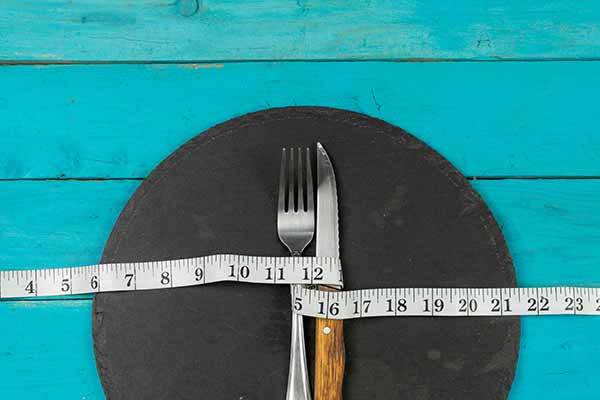
Eating Disorder Awareness – a deadly mental health illness
Eating disorders affect approximately 10% of the population worldwide, and over a quarter of people suffering with an eating disorder will attempt suicide. After opioid addiction it is the second deadliest mental illness.
...

