
How do menstrual hormones affect alcoholism?
- Alcohol addiction rehab centre
Can Menopause Trigger Alcoholism?
It’s almost a stereotype - a middle-aged woman, facing an empty nest or a parent’s funeral, suddenly drowning in drink while people dismissively whisper about “the change”. Can you really blame it on the menopause?
A number of rehab centres report a pattern of women whose drinking rapidly escalated around the menopause. Statistics back them up: women over 50 are at particular risk of alcoholism, and 2-3 times more likely to drink excessively compared with younger women. So what’s the link?
A number of rehab centres report a pattern of women whose drinking rapidly escalated around the menopause. Statistics back them up: women over 50 are at particular risk of alcoholism, and 2-3 times more likely to drink excessively compared with younger women. So what’s the link?
How do menstrual hormones affect alcoholism?
In a normal monthly cycle, oestrogen and progesterone levels gently rise and fall, controlling ovulation and menstruation. They can also have an effect on alcohol consumption.
Higher levels of oestrogen cause the brain’s reward centre to produce more dopamine in response to alcohol, which increases cravings and consumption. Studies confirm the link between high oestrogen levels in women and increased drinking.
Higher levels of oestrogen cause the brain’s reward centre to produce more dopamine in response to alcohol, which increases cravings and consumption. Studies confirm the link between high oestrogen levels in women and increased drinking.

Progesterone helps regulate mood. In the week before menstruation, progesterone levels fall which causes increased stress and anxiety, and the low moods can trigger picking up a drink.
What happens to hormones during menopause?
During peri-menopause, a woman’s periods become irregular, often accompanied by typical symptoms like hot flushes, mood swings and insomnia. And the hormonal cycle turns into a rollercoaster until her periods stop for good.
Oestrogen levels in peri-menopause dramatically spike and trough with each period. Every month, they can reach up to 3 times normal levels before crashing to almost nothing, causing erratic symptoms.
Meanwhile, progesterone does the opposite, with its monthly peaks reducing over time to a consistently low level with little variation. The falling levels can cause symptoms of depression and anxiety.
Could menopause trigger alcoholism?
With high oestrogen spikes causing an increased response to and cravings for alcohol, alongside decreasing progesterone levels causing reduced mood regulation, it’s possible that an increase in alcohol consumption is a common symptom of the menopause.
It’s easy to blame menopausal alcoholism on things like low mood, family changes or retirement, which may be valid concerns. However, hormonal changes can make them feel ten times worse and a bottle feel ten times better, and may prompt an uncharacteristic alcoholic response.
It’s easy to blame menopausal alcoholism on things like low mood, family changes or retirement, which may be valid concerns. However, hormonal changes can make them feel ten times worse and a bottle feel ten times better, and may prompt an uncharacteristic alcoholic response.
What can I do about alcoholism during menopause?
It’s important to get help from experts who understand that your menopause and your drinking may be related.
Addiction therapists can ensure that menopause is addressed during your recovery, whether you prefer hormone therapy, lifestyle changes or holistic treatments. Meanwhile, doctors can prescribe menopause medications that are suitable for alcoholics. And you don’t have to wait for a crisis before you take action.
At Phoenix Programmes Rehab Centre, we understand the links between menopause and alcohol abuse from the many cases we’ve treated. We can help you manage menopausal moods and prevent your drinking from escalating before it gets out of control. Our team of addiction specialists and medical staff will work with you together, so you can get off the rollercoaster and into sobriety.
If you think that you or someone you love might have a problem with drug or alcohol addiction, compulsive behaviour or emotional disorders, reach out and speak to our specialist addiction rehab treatment team on our confidential helpline +34 691 881 422. Immediate admission available.
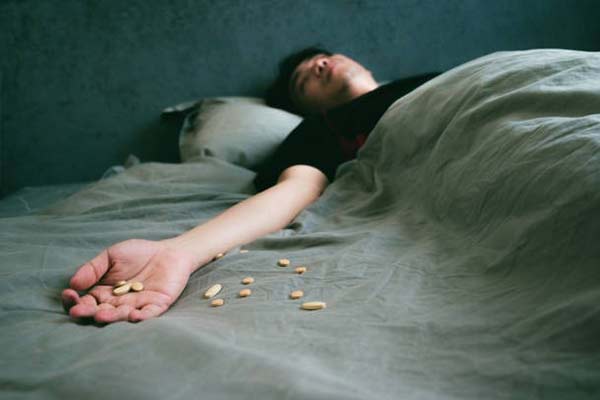
One in Four Brits are addicted to prescription drugs
In September 2019 it was claimed that 1 in 4 Brits are addicted to prescription drugs. Whether that figure is accurate is disputed. What is known, is that 1 in 4 Brits had been prescribed an addictive drug in 2018.
...
Is World News having a Negative Effect on your Mental Health?
War!, Disease!, Corruption! ,Inflation! - Is worry about the news increasing your drug or alcohol use? Experts say that world news has a significant negative effect on our mental health, which is bad news for addiction
...

How Disability can Fuel Addiction - and how to Get Help
Disabilities can increase the risk of addiction due to issues like difficulty finding employment, financial problems, social isolation, physical or verbal abuse, and enabling by caregivers who tolerate or even encourage it.
...

How Do Menstrual Hormones Affect Alcoholism?
It’s almost a stereotype - a middle-aged woman, facing an empty nest or a parent’s funeral, suddenly drowning in drink while people dismissively whisper about “the change”. Can you really blame it on the menopause?
...

The Two Halves of Life: Alcohol, Ageing and Recovery
The first half of life is often about building an identity. The second asks what truly matters. For many people, recovery becomes the bridge between the two. Phoenix’s Individual Treatment Programme offers confidential, personalised support for that ...

Exclusive Addiction Treatment: Switzerland or Spain?
Switzerland has an international reputation for private rehabilitation, medical expertise and discreet residential care. Spain also offers an attractive environment for recovery, with a mild climate, privacy and outdoor wellbeing.
...

Rehab centre in Europe treating addiction & disorders
Addiction is the act of continually doing something to feel reward or pleasure, in some cases this will be taking alcohol or drugs; and in others it is participating in an activity such as gambling, video games or social media..
...
How to Support Your Loved One Through an Addiction
When someone you care about is struggling with an addiction - whether it's drugs, alcohol or behavioural addictions, it may cause you to feel a range of different emotions from helplessness, guilt, grief, and maybe even anger.
...

